
Reviewed · ST STEPHEN'S CATHEDRAL & VIENNA OLD TOWN
Vienna: Romantic Old Town 2-Hour Discovery Tour
Vienna’s old town has layers, and this walk reads them fast. I love the six themed stops that connect past and present without making you slog through a full day of museums, and I also love the Anchor Clock start, because it drops you right into the Hoher Markt pulse. In just 2 hours, you get a clear sense of how Vienna became what it is today, with room for stories you will actually remember.
The main thing to consider is pacing. This is a discovery tour with a lot of talking, and if you prefer strictly chronological facts, you may want to keep your questions ready and steer the conversation toward the kind of detail you care about most. The good news is the private guide format helps you shape the tone a bit, since it is built for your group rather than a large crowd.
Key things to know before you go
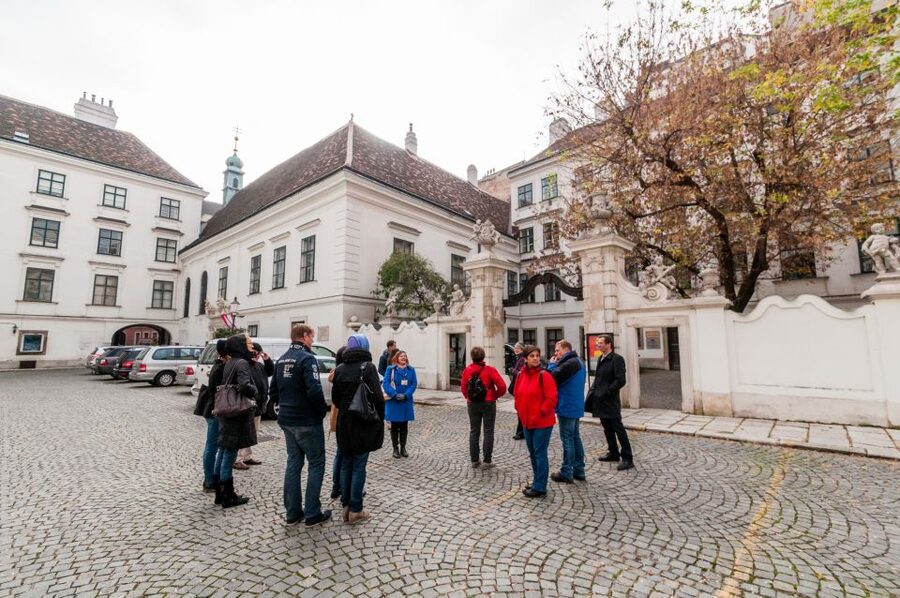
- Anchor Clock meeting point: Your tour starts at Hoher Markt, right where Vienna’s civic life and older buildings overlap.
- Six topic structure: Romans, Jews, and traders, then the Greek Quarter, architecture, myths, the university area, and winding back streets.
- Architecture, not just landmarks: Gothic, Renaissance, Baroque, Rococo, Gründerzeit, and Art Nouveau all show up in one coherent walk.
- Myths with visible clues: Animals and legend motifs are part of how you read facades and fountains.
- Private-group value: Up to 7 people means you can spread the cost and still get personal attention.
- Multiple language options: German, Spanish, Chinese, Dutch, English, French, Italian, Japanese, Portuguese, Russian, plus other languages by request.
Around the Stephansdom and the old lanes
- Vienna: Guided Walking Tour of City Center Highlights★ 4.7 · 4,989 reviews
- Vienna Historic Center Small Group Walking Tour★ 5.0 · 1,746 reviews
- Vienna: St. Stephen’s Cathedral & Dom Museum Wien Tickets★ 4.5 · 1,652 reviews
- Vienna: Old Town Sightseeing Tour in a Vintage-Style E-Car★ 4.5 · 1,107 reviews
Starting at Hoher Markt and the Anchor Clock, how the tour gets you oriented fast
You meet at the Anchor Clock on Hoher Markt, Vienna 1010. That matters more than it sounds. Hoher Markt sits in the old civic core, so you are not just ticking off sights, you are getting placed in the city’s logic: trade, power, utilities, and everyday movement all layered together.
From the start, you will get the feel that this tour is designed to make Vienna make sense quickly. In practice, that means you spend less time wondering which direction you are heading and more time noticing patterns, like how streets funnel toward key squares and how buildings reflect the eras that paid for them.
If you can, arrive 10 minutes early. The tour is only 2 hours, so every minute counts, and a calm start helps you absorb the stories instead of standing around checking your map.
Six themes that turn a 2-hour walk into real understanding
This tour is built around six topics, and that is the secret sauce. Instead of one grand narrative, you get several short, focused lenses. That makes the whole old town feel less like a list and more like a place where different communities and eras kept leaving fingerprints.
Here is how each theme works and why it is useful.
Romans, Jews, and traders at Hoher Markt, plus the Anchor Clock surprises
Hoher Markt is where the city shows its age and its ambition at the same time. You will hear how the square attracted politicians, architects, and traders over centuries, which helps you understand why Vienna’s center feels so official and so busy even when you are walking on quiet side streets.
The classic points here include what is described as the oldest building in Vienna, plus the first public waterworks. That is a great detail to remember, because it shifts the story from royalty and art to the infrastructure that actually shapes daily life.
Then there is the Anchor Clock. You will get the kind of explanation that helps you look at it with new eyes. The tour description hints at surprises, and in a good guide moment, you realize it is not just decoration or a quirky landmark, it is part of the square’s role as a civic reference point.
Practical tip: if you are snapping photos, spend an extra few seconds framing the surrounding buildings too. The point is to see the whole street wall, not only the anchor itself.
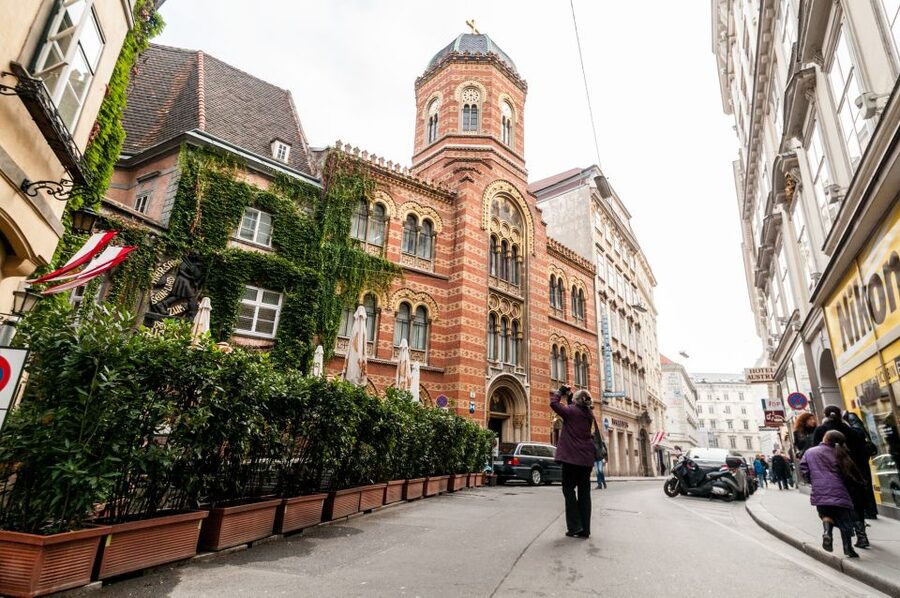
The Greek Quarter by the Danube arm, where conflict and trade shaped streets
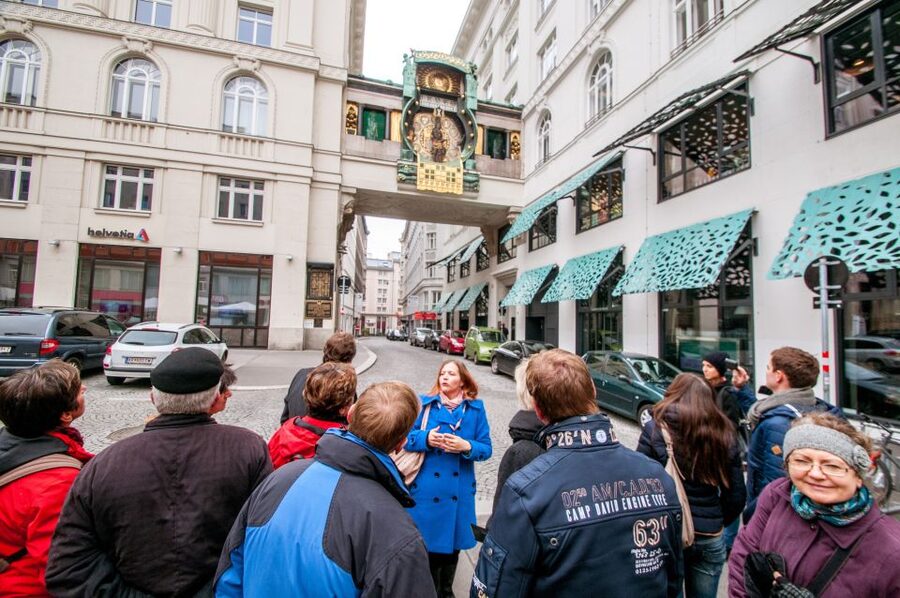
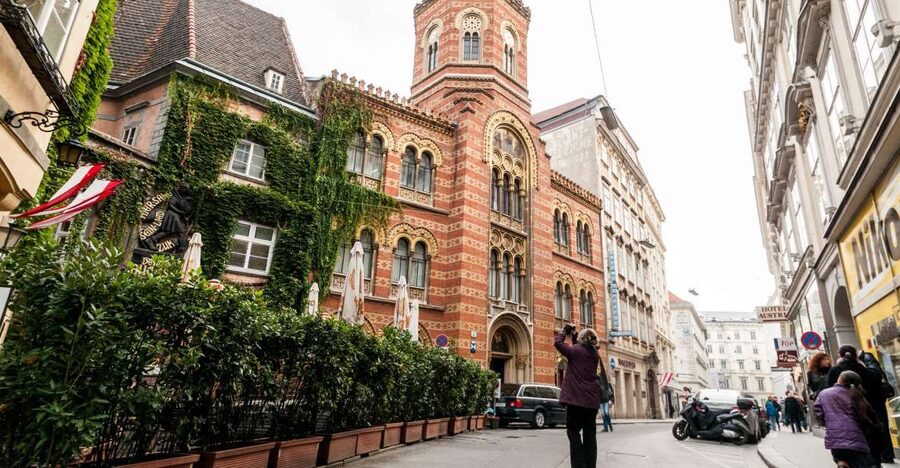
Next comes the Greek Quarter, described as hectic and located at the innermost arm of the Danube River. Even if you have seen the phrase Danube before, this kind of location-specific framing helps you picture why trading neighborhoods grow where water makes movement easy.
The theme here connects history through conflict and independence efforts. The Turks fought in this area, and Greeks prepared their fight for independence here. That combo matters because it explains why you would find traces of multiple cultures in the same physical space.
You will walk away with a better sense of how a neighborhood can feel layered, not themed like a museum district. Trading zones tend to collect influences, and this is where Vienna’s past stops being abstract.
If you are short on time in Vienna, this is one of the best ways to expand your view beyond the imperial postcard scenes. You get the city as a crossroads.
A useful second option for the same Vienna day:


Architectural diversity in one walk, how to spot styles without a textbook
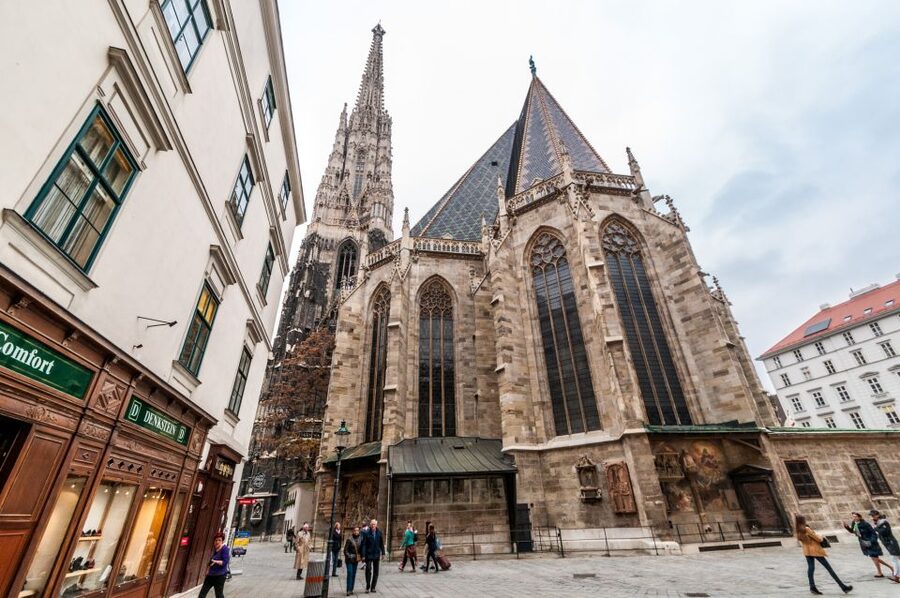
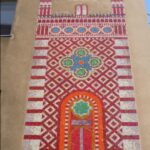
Vienna’s old town can feel like one long beautiful stretch, which is exactly why this segment is so valuable. Instead of saying Gothic is pretty and Baroque is dramatic, the tour points out how many architectural styles you can find close together.
You will hear about Gothic residential towers, medieval paving, Renaissance back courtyards, and Baroque palaces. Then the walk shifts through Rococo rows of houses, Gründerzeit houses, and Art Nouveau elegance.
Why this helps you: you start learning how to read buildings by features. Even if you cannot name every style on the spot, you can usually detect differences in window rhythm, decorative intensity, and courtyard layouts. That makes your self-guided exploring afterward much easier.
If you have a soft spot for architecture, keep your eyes slightly higher than usual. The tour theme includes ornaments and details, and those are where styles show themselves first.
Myths and legends, animal ornaments that change how you look at facades
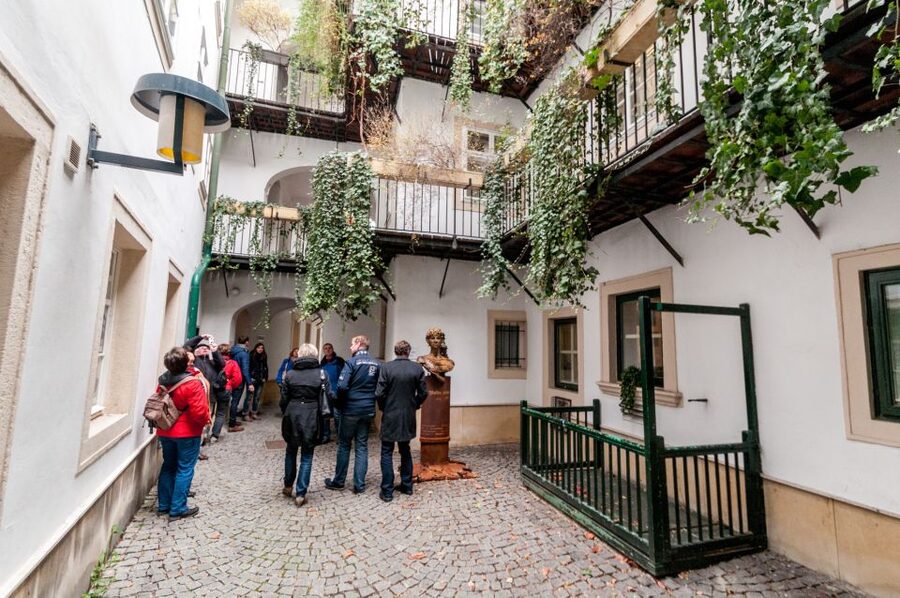
After architecture, the tour moves into myths and legends, and it helps you treat Vienna like a living storybook. When people tried to explain their existence with legends, those myths got turned into visible art, especially through animal motifs.
The key detail for you: animals play an important role, and you can see them as ornaments on facades and fountains. That means when you are later wandering on your own, you will recognize motifs without needing a guide hovering beside you.
This is also a nice change of pace from dates and rulers. Legends tend to stick because they give emotion and meaning to what otherwise looks like stone and metal.
If you are traveling with someone who gets bored by strict history, this myth section is often the part that keeps both of you engaged, since it turns the street into a conversation piece.
The old university quarter and Jesuit quarter, church power and art rivalries
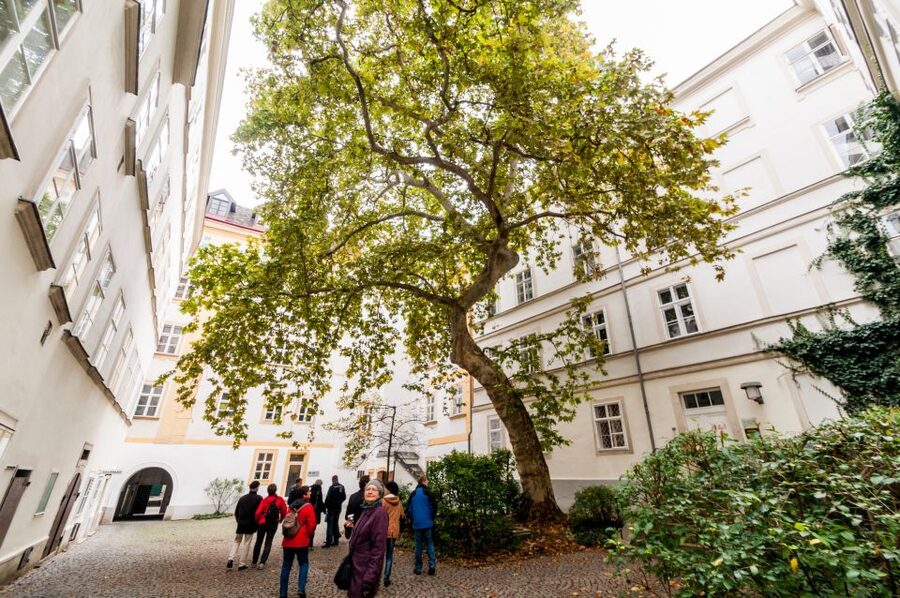
One of the most practical moments on this kind of tour is learning where the center of old scholarship sits. The Jesuit quarter is described as traffic-sealed and located in the heart of the old town, which you will feel immediately as you step into a quieter pocket.
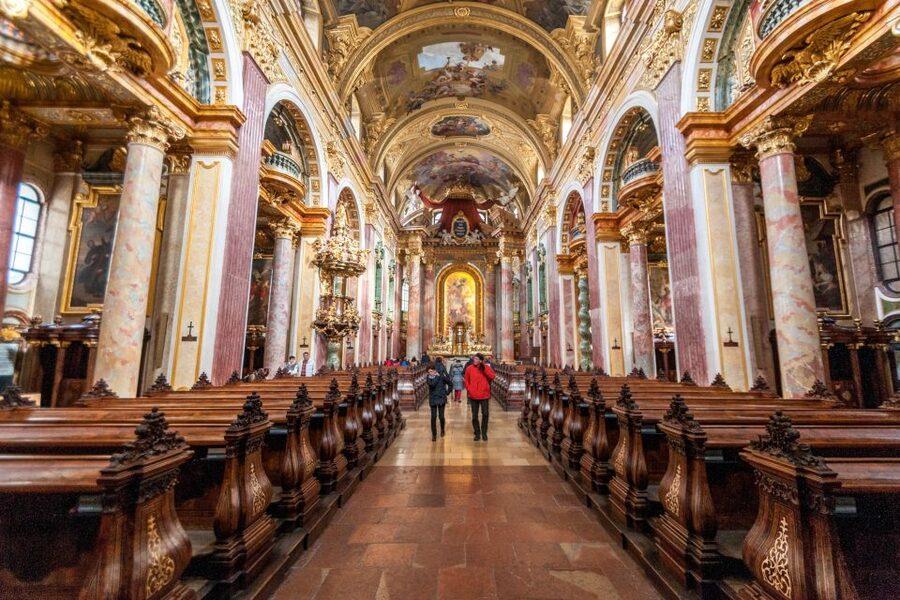
The fountain in the square becomes a viewpoint cue. From there, you take a look into the interior of the Jesuit Church, described as a treasure trove of Baroque exuberance. You also get context about church power, which gives the art a political reason to exist.
The tour also brings in a rivalry between painters and architects in Vienna. That kind of explanation helps you connect how buildings and artworks were designed to work together, not just impress people independently.
Practical consideration: Baroque interiors can tempt you to slow down. That is a good thing, but remember this is a 2-hour tour, so keep moving when the guide signals it is time to go. You will still have time to absorb what you can.
Narrow streets and back courtyards, why medieval life feels closer than you expect
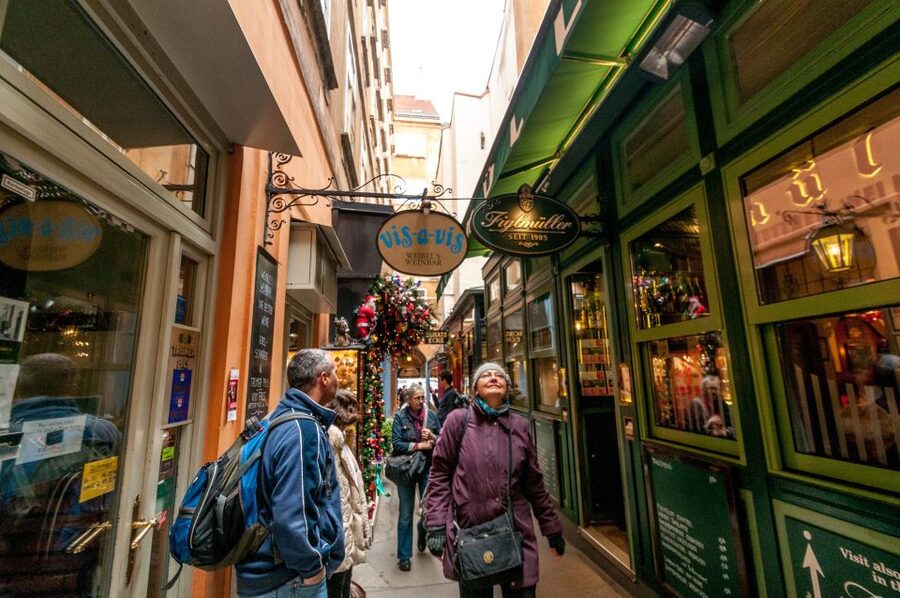
The final thematic stop centers on narrow streets and back courtyards. This is not just aesthetic. The tour frames these tight passages as a clue to medieval conditions, including the idea of how hygienic life must have felt.
Even opening a window, as the tour description suggests, took effort and breath, which gives you a physical sense of daily life. You start understanding why courtyards matter. They are not only architectural features, they are micro-rooms of the city, with different light, privacy, and social rhythms than the main street.
If you like walking, you will probably enjoy this portion most because it is where you feel like Vienna is a real town, not a theme park.
And if you are planning to explore further afterward, this segment gives you a strategy: follow the winding lanes, not the obvious big routes. You will get more character per step.
Private guide value for $352 per group up to 7, and why it can be good math
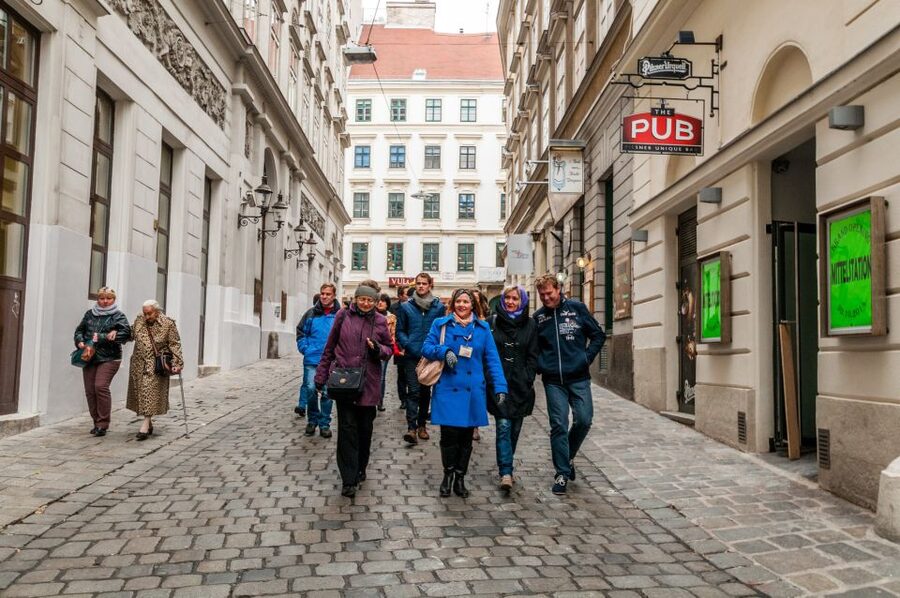
The price is $352 per group for up to 7 people, for a 2-hour private tour. That comes to roughly $50 per person if you fill all 7 spots, and it can be lower if you go in a small cluster. If you only have two or three people, it is still a fair way to buy quality attention for a short window, especially on a first day when you want direction.
What you are buying is not just the ability to walk and hear facts. You are buying someone who can connect themes: square life at Hoher Markt, trade culture in the Greek Quarter, style shifts across the old town, and the way myths become visible through ornament.
Guide performance is also a real factor. You can see it in how guides have been praised for being charming, for giving lots of detail, and for presenting stories well. Names mentioned include Wolfgang Auinger, and Max, both called out for guiding people to places they likely would not find alone. One comment also hints that the tour can lean toward lively, conversational style over strict academic structure, which is useful for you to know in advance.
Language options are strong. The tour states many languages are available for group tours, including English, French, Spanish, Italian, Portuguese, Russian, Dutch, Chinese, Japanese, Arabic, and Korean. German is also available. If you want another language, you should contact the operator.
Who this tour suits best, and who should think twice
This tour is a great match if you:
- want a first-day orientation without feeling trapped in a museum timeline
- like stories that connect architecture, religion, and daily life
- enjoy noticing details you can repeat later while wandering on your own
- travel with a small group that values a private format
It might be less ideal if you:
- want a very quiet, strictly factual walk with minimal personality
- only care about a few famous monuments and nothing else
- dislike tours with steady stops and explanations, since this one is built around six topics
If you fall in the first group, you will probably find it efficient and satisfying. If you fall in the second, think of it as a supplement to monuments, not a replacement.
Timing tips for fitting it into your Vienna day
This tour is 2 hours, so it works as a warmup. I like placing it early enough that you can follow up with self-guided walking while the themes are still fresh in your mind.
Start at Hoher Markt, then you are naturally positioned to roam nearby streets afterward. If you are combining this with cathedral-area stops, plan on revisiting areas you learn about rather than sprinting toward brand-new sights. The value is in recognition.
Wear comfortable shoes. The streets are described as narrow and winding. Even if you are not tired easily, you will appreciate supportive footwear on cobbles and small turns.
Bring a charged phone for photos, but keep your attention up. This tour teaches you how to look, and that takes more than quick snapshots.
Should you book Vienna: Romantic Old Town 2-Hour Discovery Tour?
I think this is a solid booking when you want more than the usual Vienna hits. The biggest strength is the structure: six focused themes that teach you how the city formed, not just what to photograph. The second big strength is the design for your eyes, architecture and ornament first, then stories that make those details meaningful.
If your idea of a great tour is a guide who can tell you why a street exists, why a church interior was made, and why animals show up in stonework, this one fits nicely. If you are the kind of traveler who needs strict, quiet instruction, you should go in with the right expectations and ask your guide to slow down on the points you care about most.
For a short, high-impact old-town experience with a private group feel, this is worth your time and your money.
More Tours in Vienna
- Vienna: Schönbrunn Palace & Gardens Skip-the-Line Tour
★ 4.7 · 7,739 reviews - Vienna Spanish Riding School Guided Tour
★ 4.7 · 6,765 reviews - Vienna: Skip-the-Line Sisi Museum, Hofburg and Gardens Tour
★ 4.8 · 5,918 reviews - Vienna: Skip-the-Line Schönbrunn Palace & Gardens Tour
★ 4.8 · 5,411 reviews - Vienna: Guided Walking Tour of City Center Highlights
★ 4.7 · 4,989 reviews
More Tour Reviews in Vienna
- Vienna: Vivaldi’s Four Seasons Concert in Karlskirche
★ 4.7 · 14,951 reviews - Vienna: Schönbrunn Palace & Gardens Skip-the-Line Tour
★ 4.7 · 7,739 reviews - Vienna: Light of Creation Votive Church Immersive Light Show
★ 4.8 · 6,779 reviews - Vienna Spanish Riding School Guided Tour
★ 4.7 · 6,765 reviews - Vienna: Classical Concert in the World-Famous Musikverein
★ 4.6 · 6,673 reviews
The Old Town Around St Stephen's
- Vienna: Guided Walking Tour of City Center Highlights
★ 4.7 · 4,989 reviews - Vienna Historic Center Small Group Walking Tour
★ 5.0 · 1,746 reviews - Vienna: St. Stephen’s Cathedral & Dom Museum Wien Tickets
★ 4.5 · 1,652 reviews - Vienna: Old Town Sightseeing Tour in a Vintage-Style E-Car
★ 4.5 · 1,107 reviews - Vienna: 30-Minute Fiaker Ride in the Old Town
★ 4.5 · 1,092 reviews
Recently Added Around Vienna


St Stephen's Cathedral & Vienna Old Town, compared.
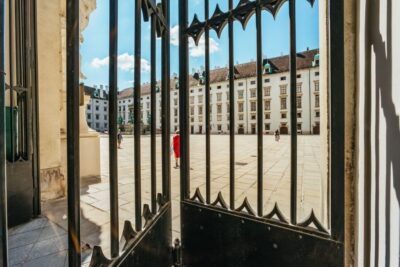 ★ 4.7Guided Walking Tour of City Center HighlightsFrom $254,989 reviews
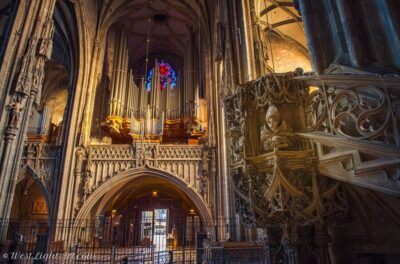 ★ 4.1Classical Concert at St. Stephen’s CathedralFrom $114,177 reviews
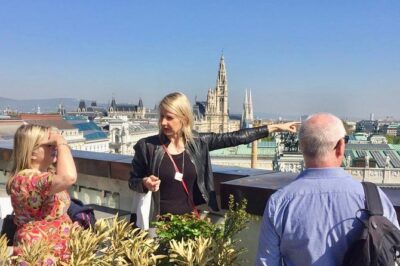 ★ 5.0Vienna Historic Center Small Group Walking TourFrom $721,746 reviews
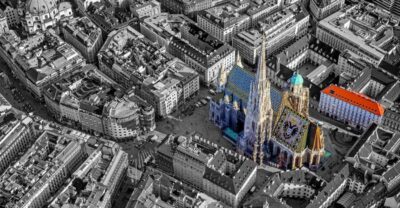 ★ 4.5St. Stephen’s Cathedral & Dom Museum Wien TicketsFrom $341,652 reviews
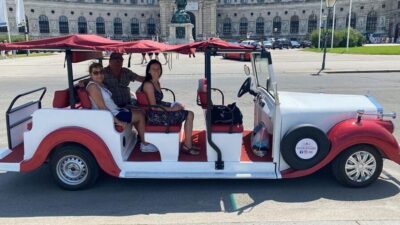 ★ 4.5Old Town Sightseeing Tour in a Vintage-Style E-CarFrom $281,107 reviews
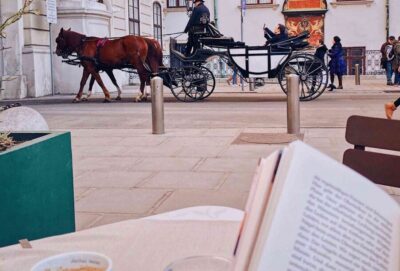 ★ 4.530-Minute Fiaker Ride in the Old TownFrom $1111,092 reviews
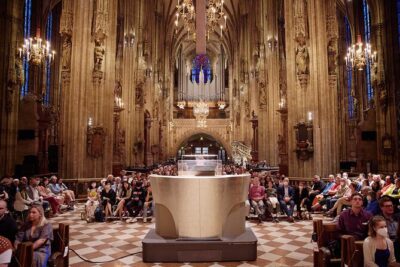 ★ 4.0Concert at Vienna’s St. Stephen’s CathedralFrom $12432 reviews
 ★ 5.0Exclusive Vienna Old Town Highlights Walking Tour (max. 6 persons)From $151252 reviews
Browse the lists this tour appears in