

Reviewed · ST STEPHEN'S CATHEDRAL & VIENNA OLD TOWN
Vienna: Private Walking Tour of the Historic Center
Vienna can feel like a museum, but this tour keeps it human. You get a private 2-hour walking route through the historic core, with Maria bringing the landmarks to life through royal drama, music-era context, and small details you would not spot on your own. I particularly like how the tour blends big-name sights with quieter spots, and how it puts Vienna’s coffeehouse culture on your radar, especially around Café Central.
One consideration: this is an exterior-only walk on older streets, with steps, stairs, and copper-stone surfaces, so it is not the easiest for anyone with mobility limits or anyone who hates uneven ground.
If you are in Vienna for the first time, you will also appreciate the format. You walk for two hours, but it feels like you are getting a guided orientation, not just a sightseeing checklist. And because it is set up as a small private group, you can actually ask questions and steer the pace.
Key highlights to look for

- Licensed local guide Maria Tours Live with stories that connect the palaces to real people
- Secret corners and hidden courtyards alongside the main highlights, so you get both famous and lesser-known views
- Coffeehouse culture education, with an easy option to stop for a traditional break
- Top historic-center landmarks in a single compact walk, including Hofburg, St. Stephen’s Cathedral, and the Vienna State Opera area
- Pictures and maps to keep you oriented while you walk
- Rain-friendly scheduling, since the tour runs in all weather
Around the Stephansdom and the old lanes
- Vienna: Guided Walking Tour of City Center Highlights★ 4.7 · 4,989 reviews
- Vienna Historic Center Small Group Walking Tour★ 5.0 · 1,746 reviews
- Vienna: St. Stephen’s Cathedral & Dom Museum Wien Tickets★ 4.5 · 1,652 reviews
- Vienna: Old Town Sightseeing Tour in a Vintage-Style E-Car★ 4.5 · 1,107 reviews
Walking Vienna’s historic spine in just two hours

This tour works because it is built for time-crunched travelers who still want more than photos. Vienna’s center is beautiful, but it can also be a little intimidating if you do not know what you are looking at. Here, you get an expert guide to translate the city’s “what” and “why,” and you get a plan that keeps moving while still leaving room for questions.
The big idea is simple: in two hours, you cover the classic visual anchors of Vienna’s historic center, then you fill the gaps with the kind of details that make the city click. You will see the Hofburg Palace area, the Vienna State Opera House area, and St. Stephen’s Cathedral. But you are not rushing between them like a commuter. The guide uses the walk to connect themes, like the Habsburg era and the world of Empress Sisi, then threads in references to major music names like Mozart and Beethoven, plus Johann Strauss.
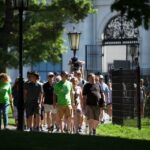
And I like the fact that this is a true private group experience. You can book with up to six participants, so the guide can actually talk to you like humans, not like a crowd. In the reviews, that personal feel comes up again and again, with people praising how much they learned and how the guide made the material easy to follow.
Starting at the Anker Clock, and why the meeting spot matters
The start point is Anker Clock (Ankeruhr) at Hoher Markt square. The meeting is directly under the HELVETIA sign next to the clock, at Hoher Markt 10-11, and the guide holds an orange folder so you can spot them quickly.
That detail sounds small, but it matters in Vienna because squares can look similar and streets branch off fast. If you arrive early, take a minute to confirm you have the clock in view. That one check can save you from the awkward start where you are scanning the crowd and trying to remember exactly what the sign looked like.
If you are staying close by, you can also ask about hotel pickup, which is listed as possible. Not every walking tour offers that, and when it is available, it reduces the “I hope I found the right street” stress.
Hofburg Palace area: where Empress Sisi becomes more than a name

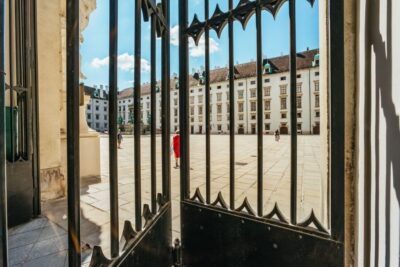
Your walking route is designed around the landmarks people come to see, and Hofburg Palace is one of the main anchors. Even if you have seen photos, Hofburg has a way of making you realize it is not just one building. It is a whole power center, and the city grew around that kind of authority.
What makes this part of the tour valuable is the way the guide connects the architecture to the people. The tour includes stories tied to the Habsburg Empire and the life of Empress Sisi. That matters because without context, you can end up just looking at stone. With the right framing, Sisi becomes a lens. You can understand why certain places look the way they do, and why Vienna developed the style of ceremony, politics, and public image that people still associate with the city today.
I also like that the guide does not treat Hofburg as an isolated stop. It is part of a chain of themes that keep returning as you move toward other sights. So even if you do not know the difference between every palace facade or courtyard, you still walk away with a clearer picture of how Vienna’s center worked.
St. Stephen’s Cathedral zone: exterior views, big atmosphere

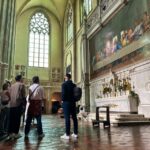
You finish the tour close to St. Stephen’s Cathedral, in the heart of the city. Even though this is an exterior-only walking tour, the cathedral area is still one of the best ways to feel Vienna’s scale. From the street, you see how the neighborhood forms around it, and you get that sense of the city being both spiritual and civic.
There is a practical tradeoff here. Since entrances are not included, you are not paying for access to interior rooms or guided museum-style pathways. For some people, that might feel like a missed opportunity. For others, it is actually a win because it keeps the walking flow moving and avoids wasting time buying tickets or waiting around.
But I would plan for the walking reality. The tour notes steps, stairs, and copper-stone streets. That means you will likely encounter uneven surfaces, small climbs, and tight corners where you cannot just glide along. If you bring good walking shoes, this part becomes straightforward, and you get to spend your energy on looking instead of surviving the ground.
Also, because the tour ends near the cathedral, the timing is smart. It gives you an easy jump-off point to keep exploring after the guide leaves you with practical recommendations during the walk.
Vienna on foot, a couple more routes


Vienna State Opera House area: music references you can actually place

The tour includes Vienna State Opera House as one of the highlights. You might think you already know the Opera because it is famous, and you have likely seen it from postcards or station platforms. But a guided approach changes what you notice.
The guide ties Vienna’s story to major classical music names. You will hear references that include Mozart and Beethoven, plus Johann Strauss. The tour frames these musicians in the wider story of Vienna and the cultural environment that helped their eras make an impact. That is what makes it more than trivia. When you see the Opera building while you are hearing about Vienna’s music-centered identity, you start to connect the dots between the institutions, the public audience, and the city’s reputation.
In planning, just be aware that the tour’s end details are described in two ways in the provided information. One line says the tour ends back at the meeting point, while another says it ends by the Vienna State Opera House area. Since that might depend on the exact route chosen, I recommend you confirm the precise finish point with the operator when you book.
Secret corners and hidden courtyards: how you learn to see Vienna

Here is where the tour earns its top marks. Vienna is packed with courtyards and side streets, but they do not always announce themselves to casual walkers. The experience focuses on secret corners and hidden courtyards, with the guide leading you into places you would likely miss.
In the reviews, people specifically praised how they were shown spots they would never have discovered on their own, and how those lesser-known corners captured the city’s feel. That is a big difference between a generic “landmarks only” walk and a guide-led experience.
I think of it like this: Vienna looks monumental on the main streets. But it is the in-between spaces that give it texture. These hidden areas help you understand the city as a lived place, not just a backdrop for postcards.
It is also a practical benefit. Side streets and courtyards break up the walking rhythm. Instead of just staring at facades, you get micro-moments where the guide points out small visual clues and tells stories that match what you are seeing right now.
Café Central and coffeehouse culture: when Vienna slows down on purpose

Vienna’s coffeehouse culture is not just about caffeine. It is a social system, a place for conversation and for ideas, and it is one of the most distinctive parts of the city. This tour includes learning about that culture, including the iconic Café Central.
What is smart here is that the guide does not treat it like a lecture. You can request a stop at a traditional Viennese coffeehouse during the tour. Meals and drinks are not included, so you will pay for your own order, but the point is that the guide helps you time it and choose a stop that fits the story being told.
If you want to do it, I suggest you pick one thing to ask Maria when you arrive at the coffeehouse area, like what to order for a classic experience or what kind of pastries people usually get. With a live guide, you can avoid the common tourist trap of ordering something just because it is famous on a menu board.
This coffeehouse angle also helps the whole tour make sense. Vienna’s grand buildings can feel distant. Coffeehouses feel human. When you get both in one afternoon, you leave with a better sense of the city’s personality.
How the small-group format changes the experience

The tour is private in the sense that it is for a small group, up to six people. That has real impact in a city where walking routes can get complicated.
With a small group, the guide can:
- slow down for your questions
- adjust the pacing if someone needs a breather
- explain in a way that matches your interests, whether you care more about the Habsburg story or the music references
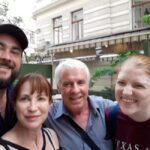
In the reviews, people mention how personal the guide felt and how well the guide could explain the material. That is often what separates a good walking tour from a forgettable one. You can feel it when the guide is responsive and not just reading off a script.
The guide also provides pictures and maps throughout the walk. That is useful because it helps you visualize what you are hearing. Vienna can be confusing at first, with similar facades and overlapping architectural periods. Visual aids let you keep your bearings fast, which makes your time in the city feel more efficient.
Price at $56: what you are really paying for

At $56 per person for a two-hour private walking tour, the price is not bargain-basement. But it is also not “only for big spenders” if you look at what you get.
You are paying for:
- a professional expert guide who is registered and licensed
- a compact route through major sights, plus side streets and courtyards
- a small-group size (up to six participants)
- interactive conversation, not just a one-way speech
- support tools like maps and pictures
If you were to self-walk, you might save money, but you would likely lose the story thread and the chance to see the quieter spaces. If you do not speak German or you just want to understand what you are looking at, the guide’s explanations become the value.
I also like the flexibility angle built into the experience. It runs in all weather conditions, and you can discuss tailor-made requests, including a coffeehouse stop. That can help you turn two hours into a more memorable, personalized Vienna moment.
Getting your shoes right for copper-stone streets
The tour runs in all weather, so you should dress for rain if you see it coming. The good news is that you are not stuck rescheduling. The tour is designed to continue.
The not-so-fun part is the ground: copper stone streets and uneven surfaces are part of the charm, but they are also part of the logistics. Add in steps and stairs, and it becomes clear why the tour lists it as not suitable for people with mobility impairments and not suitable for wheelchair users.
If you are physically able to handle a walking tour with stairs, the experience is likely smooth. If you are not, it might feel stressful rather than enjoyable. So be honest with yourself about your comfort level before you book.
Also note the tour does not allow baby strollers and audio recording, which could matter if you planned to use a recording app for learning later.
Should you book this Vienna private walking tour?
Yes, I think you should consider booking if you meet a few key conditions. Book it if you want a guided orientation to Vienna’s historic center in just two hours, you like storytelling tied to real people like Empress Sisi, and you care about coffeehouse culture rather than only checking off buildings. The small-group, licensed-guide format is also a plus if you want to ask questions and get personalized pacing.
Skip it or look for another option if you need indoor ticket access at major sights, because this is an exterior-only tour and entrance fees are not included. Also skip it if you cannot comfortably handle steps, stairs, and cobbled surfaces.
If you do book, do one simple thing: arrive at Anker Clock with a bit of time buffer, wear solid shoes, and come ready to ask Maria a question. This tour is at its best when you treat it like a conversation, not a script.
Yours Alone Across Vienna
- Vienna: Private Walking Tour with a Local Guide
★ 4.6 · 1,420 reviews - Vienna: Private Walking Tour with a Guide
★ 4.7 · 962 reviews - Vienna: Wine Tasting Experience in a Private Wine Cellar
★ 4.8 · 413 reviews - Private Day Tour Trip Salzburg Hallstatt and Melk from Vienna
★ 5.0 · 388 reviews - Private Day Tour of Hallstatt and Salzburg from Vienna
★ 5.0 · 263 reviews
Vienna on Foot, Continued
- Vienna: Guided Walking Tour of City Center Highlights
★ 4.7 · 4,989 reviews - Vienna: Vienna Central Cemetery Guided Walking Tour
★ 4.8 · 3,307 reviews - Vienna: Guided Walking Tour of City Highlights & Hidden Gems
★ 4.9 · 2,180 reviews - Vienna: Viennese Underworld Guided Walking Tour
★ 4.7 · 1,865 reviews - Vienna: World War II Historical Walking Tour
★ 4.8 · 1,772 reviews
The Old Town Around St Stephen's
- Vienna: Guided Walking Tour of City Center Highlights
★ 4.7 · 4,989 reviews - Vienna Historic Center Small Group Walking Tour
★ 5.0 · 1,746 reviews - Vienna: St. Stephen’s Cathedral & Dom Museum Wien Tickets
★ 4.5 · 1,652 reviews - Vienna: Old Town Sightseeing Tour in a Vintage-Style E-Car
★ 4.5 · 1,107 reviews - Vienna: 30-Minute Fiaker Ride in the Old Town
★ 4.5 · 1,092 reviews
Recently Added Around Vienna


St Stephen's Cathedral & Vienna Old Town, compared.
 ★ 4.7Guided Walking Tour of City Center HighlightsFrom $254,989 reviews
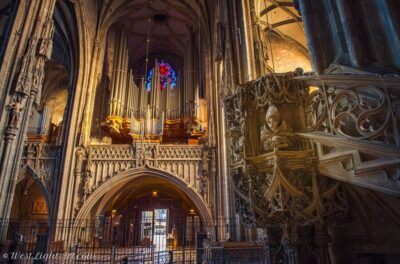 ★ 4.1Classical Concert at St. Stephen’s CathedralFrom $114,177 reviews
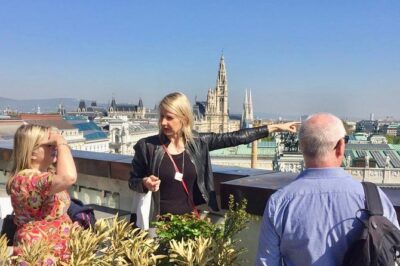 ★ 5.0Vienna Historic Center Small Group Walking TourFrom $721,746 reviews
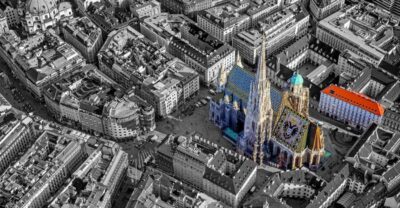 ★ 4.5St. Stephen’s Cathedral & Dom Museum Wien TicketsFrom $341,652 reviews
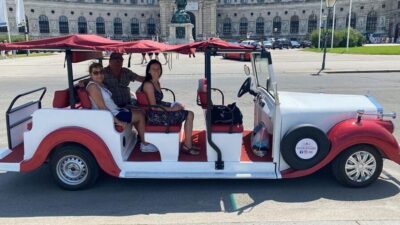 ★ 4.5Old Town Sightseeing Tour in a Vintage-Style E-CarFrom $281,107 reviews
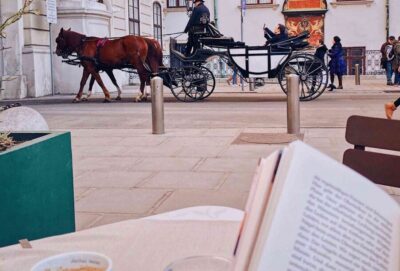 ★ 4.530-Minute Fiaker Ride in the Old TownFrom $1111,092 reviews
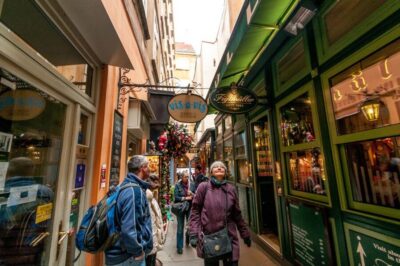 ★ 4.7Romantic Old Town 2-Hour Discovery TourFrom $352816 reviews
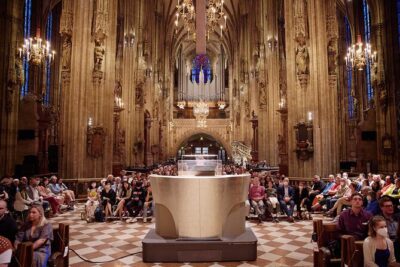 ★ 4.0Concert at Vienna’s St. Stephen’s CathedralFrom $12432 reviews
Browse the lists this tour appears in