
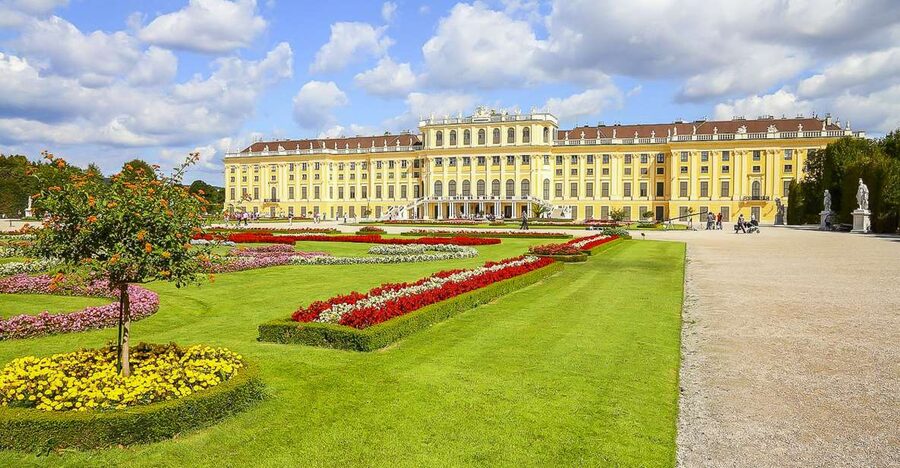
Vienna rewards a well-chosen day.
Start among Schönbrunn's gardens, cross the Ring for art and old streets, then choose between a concert hall and a hillside wine tavern. Find the route, pace and ticket that fit your Vienna.
The Vienna days worth protecting.
Palaces fill quickly, concert seats vary wildly and the best food walks depend on timing. Start with the experiences that decide the shape of the trip, then build the quieter hours around them.
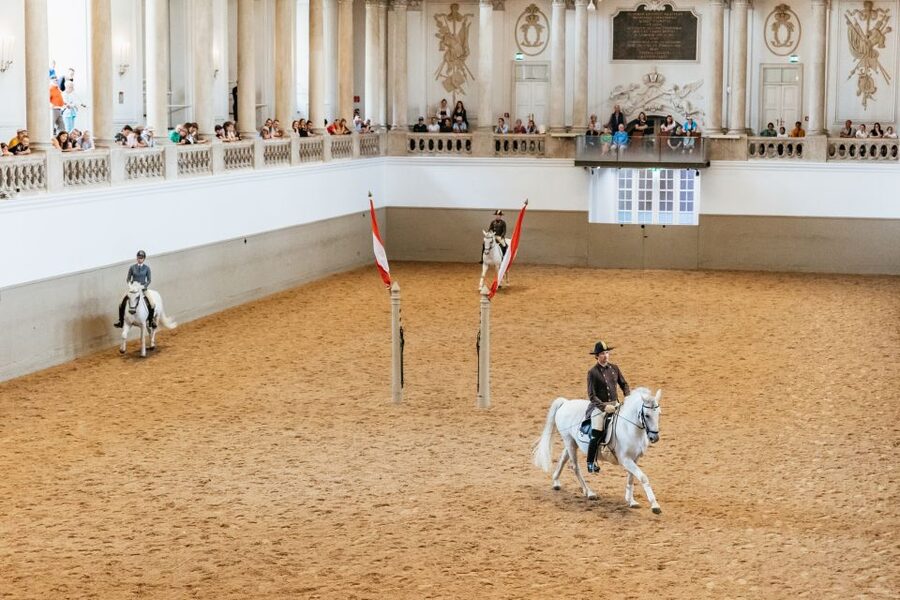
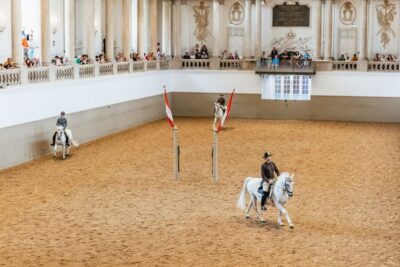
Spanish Riding School Training
Watch Lipizzaner riders train inside Vienna’s baroque riding hall, with classical music and real insight into the work behind the famous moves.
From $20 per person
Read the review → ★ 4.5Safe betSkip-the-cashier-desk-line Giant Ferris Wheel RideFrom $177,859 reviews
 ★ 4.8Books out fastLight of Creation Votive Church Immersive Light ShowFrom $256,779 reviews
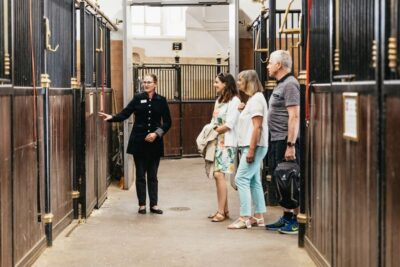 ★ 4.7Crowd favouriteVienna Spanish Riding School Guided TourFrom $286,765 reviews
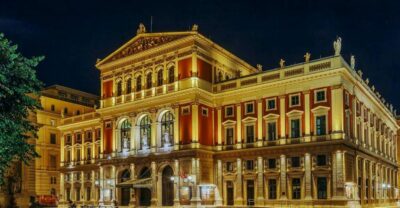 ★ 4.6Worth the ticketClassical Concert in the World-Famous MusikvereinFrom $176,673 reviews
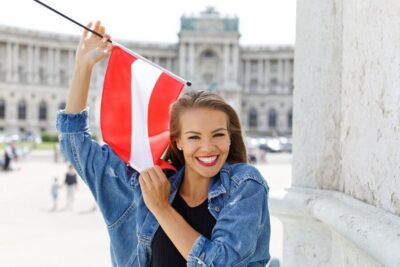 ★ 4.8Easy yesSkip-the-Line Sisi Museum, Hofburg and Gardens TourFrom $615,918 reviews
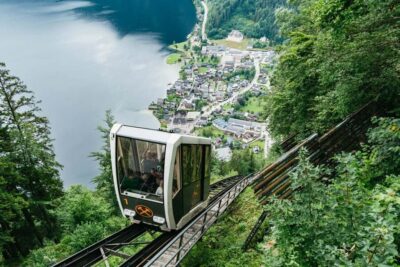 ★ 4.7Local favouriteHallstatt & Alpine Peaks Day Trip with Skywalk LiftFrom $1315,458 reviews
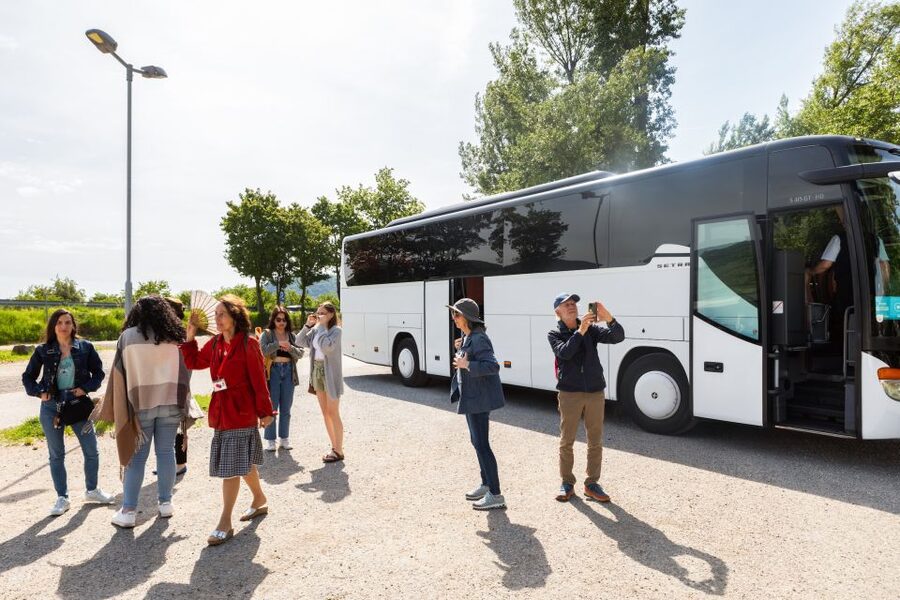
Vineyards, abbey and river in one clear route.
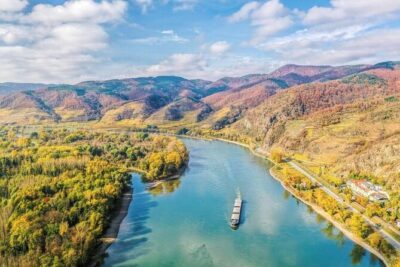
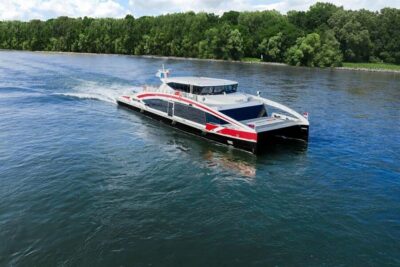
The Wachau opens beyond Krems in terraces, apricot orchards and riverside towns. The strongest day trips balance Melk Abbey with Dürnstein and leave enough time for either the boat or a proper wine stop.
Concert hall, costume programme or dinner show?
Vienna offers serious halls, accessible Mozart and Strauss programmes, and full dinner performances. Decide how formal you want the night to feel before choosing the ticket.
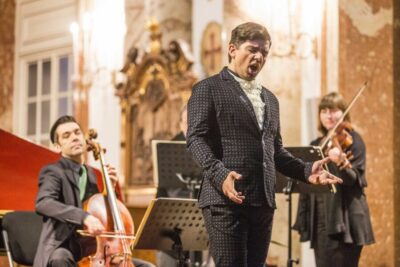 Gold and chandeliers
The grand concert hall
1h 15m · from $40 · 14,951 reviews
The Musikverein’s Golden Hall, the State Opera, the great orchestras playing the repertoire this city wrote. Dress up, take a box or the cheap standing room, and hear Mozart where Mozart belongs. The purest way to spend an evening in Vienna.
See the concert halls →
Gold and chandeliers
The grand concert hall
1h 15m · from $40 · 14,951 reviews
The Musikverein’s Golden Hall, the State Opera, the great orchestras playing the repertoire this city wrote. Dress up, take a box or the cheap standing room, and hear Mozart where Mozart belongs. The purest way to spend an evening in Vienna.
See the concert halls →
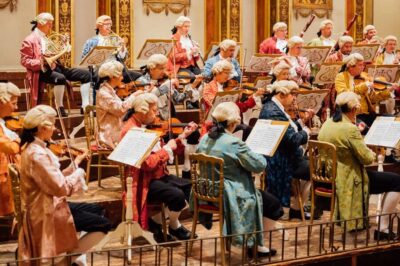 Powdered wigs
Mozart and Strauss, in costume
from $78 · 3,986 reviews
The crowd-pleaser, and none the worse for it: a small orchestra in eighteenth-century dress at the Kursalon, the greatest hits, a soprano and a waltzing couple between the movements. The one that turns a first night into an occasion.
See the costume concerts →
Powdered wigs
Mozart and Strauss, in costume
from $78 · 3,986 reviews
The crowd-pleaser, and none the worse for it: a small orchestra in eighteenth-century dress at the Kursalon, the greatest hits, a soprano and a waltzing couple between the movements. The one that turns a first night into an occasion.
See the costume concerts →
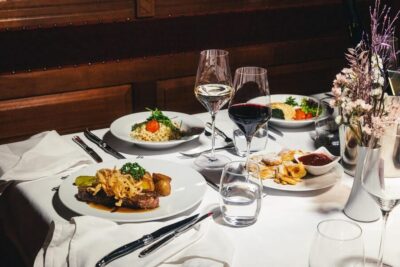 Supper included
Supper and a symphony
3 hours · from $93 · 730 reviews
Make a whole evening of it. A Johann Strauss dinner show under the lights at the Prater, three courses between the acts, the orchestra playing while the plates come round. For nights when the music is only half the plan.
See the dinner shows →
Supper included
Supper and a symphony
3 hours · from $93 · 730 reviews
Make a whole evening of it. A Johann Strauss dinner show under the lights at the Prater, three courses between the acts, the orchestra playing while the plates come round. For nights when the music is only half the plan.
See the dinner shows →
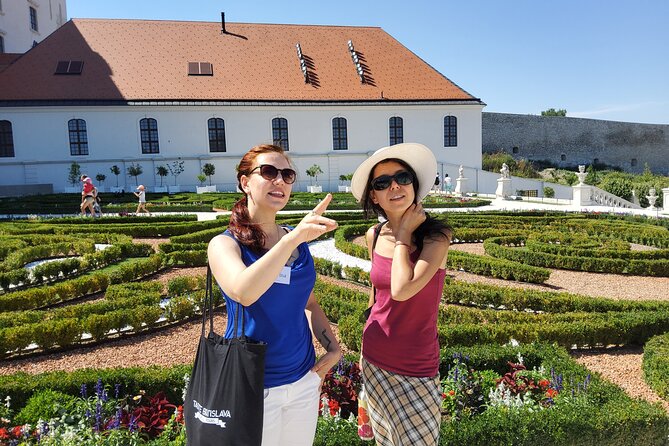
Vienna pours its own vintage.
Grinzing and Nussdorf sit where the city gives way to vines. A good Heurigen visit explains the seasonal wine, gets you to the right courtyard and leaves enough time for the cold buffet and the view back over Vienna.
The coffee house is part of the itinerary.
A Vienna coffee house is designed for staying put. Food walks and tasting tours add the useful context: which cake belongs where, how the Melange is served and which market stop deserves the detour.
Two equestrian traditions still shape the centre.
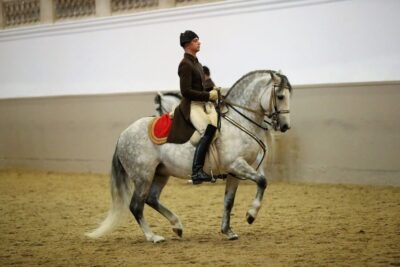
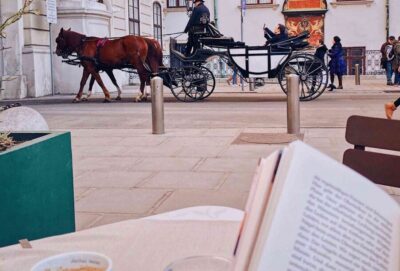
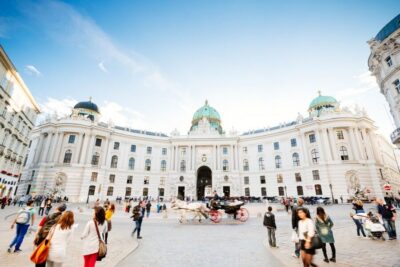
The Lipizzaners turn precision into theatre inside the winter riding hall. Outside, Fiaker carriages trace a slower circuit of the first district. They are different bookings, so choose performance or city ride before comparing times.
Choose the palace for the story you want.
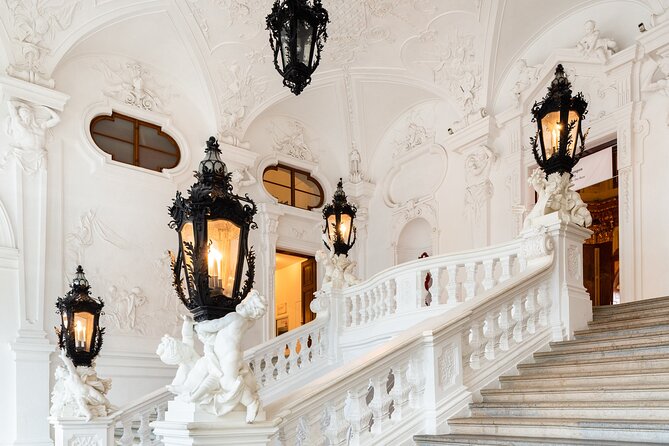
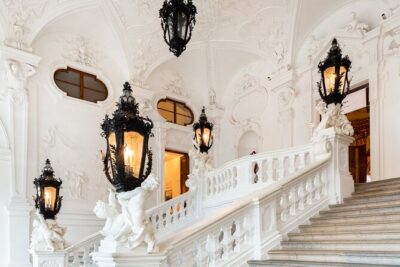
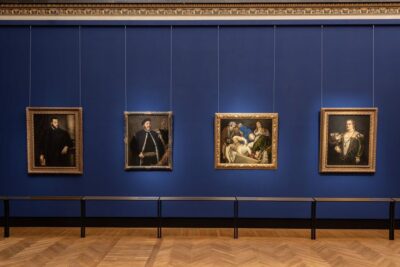
Schönbrunn tells the summer-court story, the Hofburg holds the imperial apartments and Sisi rooms, and the Belvedere pairs a baroque palace with Klimt. One careful choice beats rushing all three.
Palace, cathedral, museum or wheel?
Schönbrunn owns the grand gardens. The Hofburg explains the court. The Belvedere holds Klimt. St Stephen's anchors the old town. Pick by interest first, then by distance.

Walk, ride, taste or take a seat.
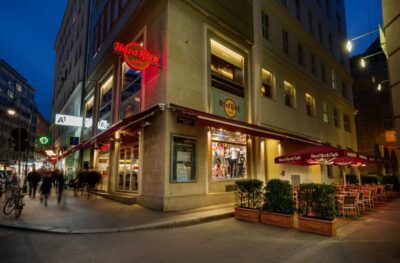
Some Vienna days belong on foot; others work better by bike, boat, carriage or a reserved museum slot. Start with how you want to move and let the right part of the city follow.
Choose one direction and give it the day.
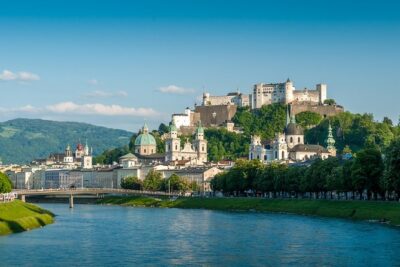
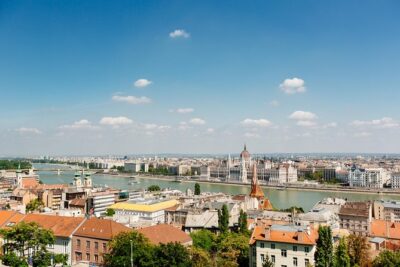
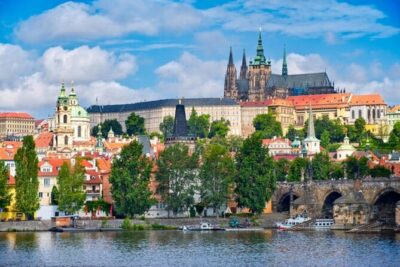
The Wachau is the easy river day. Bratislava is the nearest second capital. Hallstatt and Salzburg demand more road time. Compare the hours in transit before falling for the longest stop list.
Three days without turning Vienna into a checklist.
Keep the centre compact on day one, give the palaces and art their own day, then use the third for the Danube or a slower Vienna neighbourhood. The city reads better when each day has one centre of gravity.
 Day 1
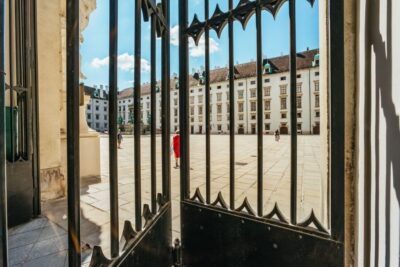
Begin at the cathedral
St Stephen’s when the doors first open, a slow lap of the lanes around it, then coffee and cake before the crowds build. An easy first day on your feet.
Plan day one →
Day 1
Begin at the cathedral
St Stephen’s when the doors first open, a slow lap of the lanes around it, then coffee and cake before the crowds build. An easy first day on your feet.
Plan day one →
 Day 2
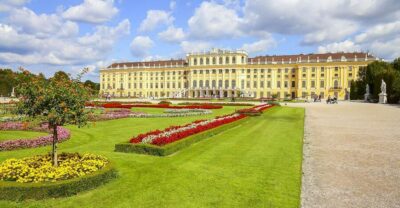
Palaces, then a concert
Schönbrunn in the morning for the state rooms and the gardens, the Belvedere and its Klimt after lunch, then dress for a concert once the sun is down.
Plan day two →
Day 2
Palaces, then a concert
Schönbrunn in the morning for the state rooms and the gardens, the Belvedere and its Klimt after lunch, then dress for a concert once the sun is down.
Plan day two →
 Day 3
Out to the Danube
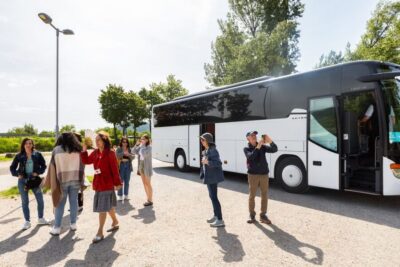
The coach up the valley to Melk, the abbey on its rock, a boat back through the vineyards with a glass of something local. Save this one for the clearest forecast.
Plan the Wachau day →
Day 3
Out to the Danube
The coach up the valley to Melk, the abbey on its rock, a boat back through the vineyards with a glass of something local. Save this one for the clearest forecast.
Plan the Wachau day →
Fresh Vienna tour reviews.
 ★ 4.0Private Salzburg Day Trip from ViennaFrom $4183 reviews
 ★ 5.0Private Walking Tour to The Hofburg & Graben StreetFrom $2293 reviews
 ★ 5.0Vienna Private Full Day Tour – Tickets to Schönbrunn & LunchFrom $3003 reviews
 ★ 4.1Private tour Mauthausen and LinzFrom $2343 reviews
 ★ 5.0Private Tour of Viennese Art in the Leopold Museum: Klimt, Schiele, KokoschkaFrom $3783 reviews
 ★ 4.5Vienna to Budapest – Private transfer with 2h of SightseeingFrom $2603 reviews
 ★ 5.02-Day Prague Tour from Vienna with private Transfers and LunchesFrom $2,0363 reviews
 ★ 4.5Vienna Self Guided Sherlock Holmes Murder Mystery GameFrom $233 reviews