
Reviewed · LIPIZZANER & SPANISH RIDING SCHOOL TOURS
Performance Of The Lipizzans At Spanish Riding School
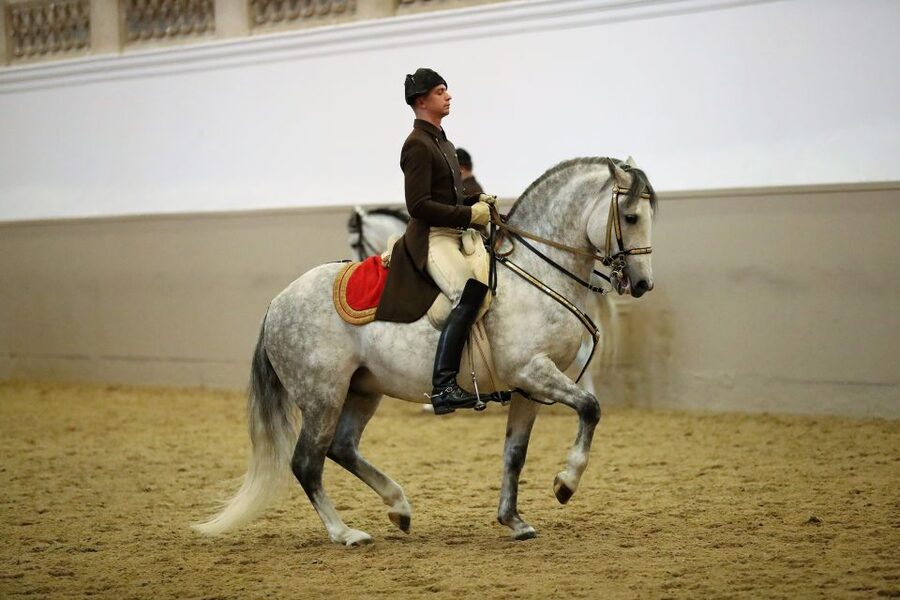
White stallions, baroque walls, and precision. That mix is what makes the High School of Classical Horsemanship at the Spanish Riding School so memorable, even if you are not a horse person. You are settling into a real working arena where generations of training show up in the details.
I especially love the way the performance bridges drama and discipline. The choreography is built around advanced moves like caprioles and Levade, but it also feels calm, controlled, and incredibly exact. You can see how the rider and the horse are trained as a pair, not as separate acts.
One practical consideration: plan to travel light. Wardrobe or luggage cannot be stored, so bring what you need and keep it easy to carry before and after the show.
Five things that make the Spanish Riding School performance worth your time
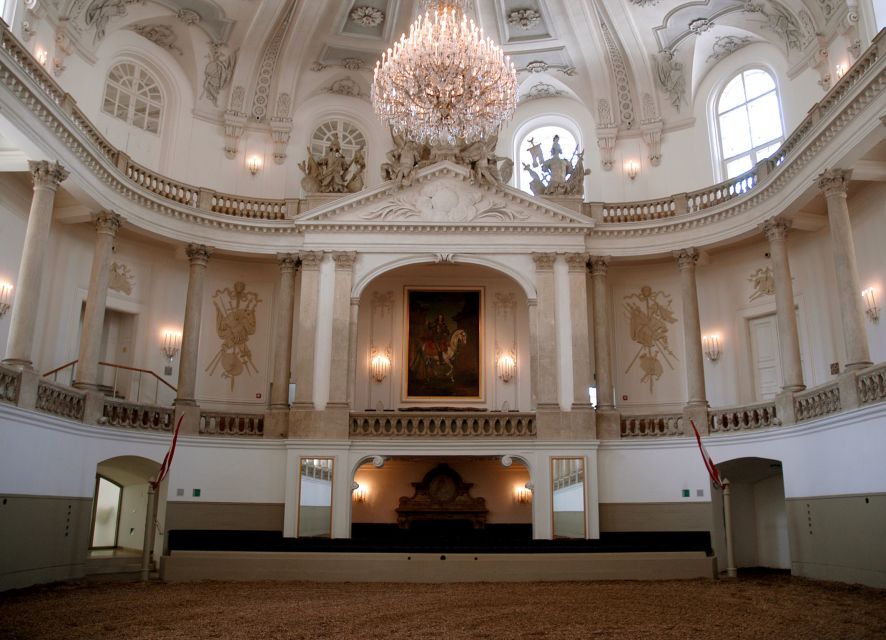
- Baroque Winter Riding School at Hofburg Palace, built under Charles VI, adds instant atmosphere.
- Classical equitation in the Renaissance Haute Ecole tradition has been practiced for more than 450 years.
- Lipizzans, Europe’s oldest horse breed, are known for grace and strength well suited to these exercises.
- André Heller’s lighting concept plus classical Viennese music changes the mood inside the arena.
- Pick the right show length, from 70 minutes to a 2 hour tribute format, so you match your evening.
The white Lipizzaners, a few more ways in
- Performance Of The Lipizzans At Spanish Riding School4,190 reviews
- Vienna: Spanish Riding School Guided Architectural Tour★ 4.8 · 307 reviews
Why the Lipizzans performance feels more like a ritual than a show
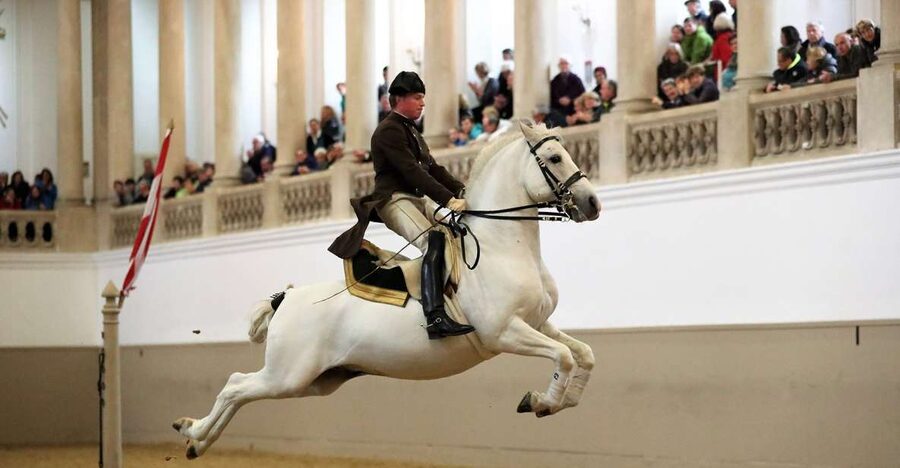
There is something about seeing classical horsemanship in Vienna that hits differently than a typical arena performance. The Lipizzans are not just “doing tricks.” The High School of Classical Horsemanship is presented as a result of years of training for both the rider and the horses, with each exercise flowing from the last.
You also get a sense of continuity. The Spanish Riding School is the only institution in the world that has practiced classical equitation in the Renaissance tradition of the Haute Ecole for more than 450 years. That means what you see is tied to preservation, not just entertainment.
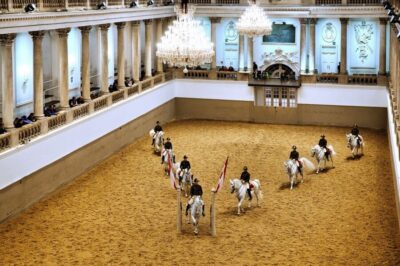
And the setting matters. This is the Winter Riding School at Hofburg Palace, a baroque riding arena built under Charles VI. Even before a horse moves, the hall makes you pay attention.
Inside Hofburg’s Winter Riding School: baroque grandeur in motion
The venue is part of the point. The Spanish Riding School’s Winter Riding School is widely described as the most beautiful riding arena in the world, and it is easy to see why once the space fills.
Because it is a purpose-built indoor arena, you are not relying on weather or changing daylight. That helps the performance stay focused and precise, from the first entry to the final sequence.
It also helps that the show is staged with a specific mood in mind. A particularly atmospheric lighting concept was developed by multimedia artist André Heller. The lighting does not just make things bright, it shapes the way you see the horses’ movement, especially in the transitions between exercises.
The Lipizzans and the Haute Ecole tradition in plain terms
You will hear plenty of references to the Renaissance Haute Ecole tradition, and it can sound like museum talk. But the basic idea is simple: classical equitation is about discipline, communication, and balance.
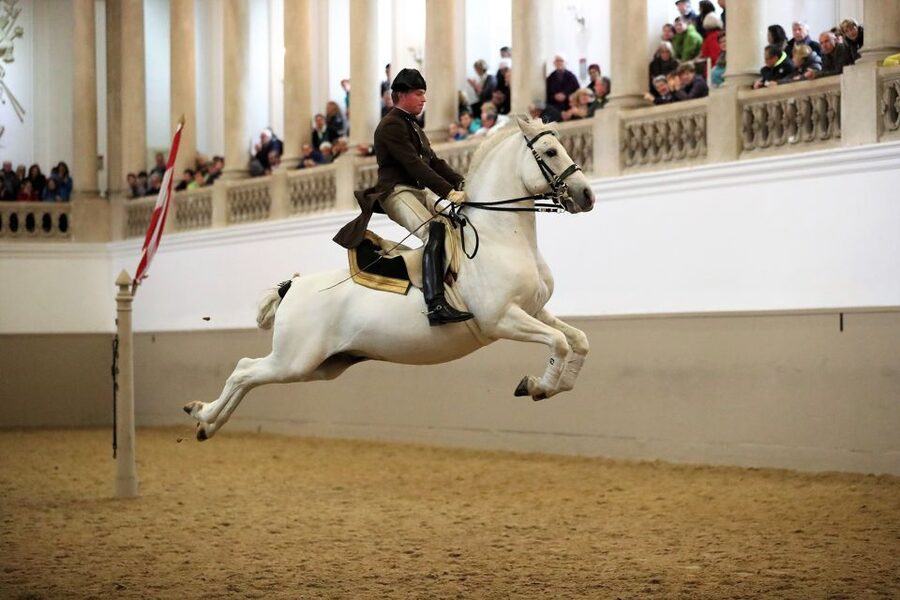
The Spanish Riding School trains its rider and Lipizzans to perform highly controlled exercises such as caprioles and Levade. Lipizzans are Europe’s oldest horse breed, and their physique and grace are a strong match for these movements. That is why they have become the signature of this institution.
Another key point is cultural protection. The exercise and preservation of the High School of Classical Horsemanship are listed on UNESCO’s Representative List of the Intangible Cultural Heritage of Humanity. That designation matters because it frames the performance as living heritage, not a one-off event.
In other words, you are watching a tradition that is kept alive through practice, not stored as a static artifact.
What you will see: from young energy to fully trained School Stallions
One of the reasons the performance holds your attention is the arc in the horses’ readiness. The program includes everything from young, boisterous stallions to fully trained School Stallions. You might feel the difference immediately, because energy levels and responsiveness read visually.
The show’s best moments are the advanced exercises. Caprioles are dramatic and athletic, with the horse lifting and meeting the movement with power and control. Levade is a different kind of wow, more about balance and elevation while staying steady and composed.
You also get repeated proof that the rider is part of the equation. Classical horsemanship relies on communication, timing, and subtle control. That is why the training is described as “years” for both horse and rider, not just for the animal.
If you like performances that reward attention, this is a good pick. Watch for how the movements look consistent across sequences, not random or flashy for its own sake. The beauty is in the pattern.

Music, lighting, and the pacing of the evening
Timing is built into the show. The performance is paired with classical Viennese music, and the lighting concept by André Heller helps you feel the shifts in energy without needing a narrator to explain everything.
You also get live moderation in the format that includes it. The 1.5-hour Gala Performance features live moderation, which can help you follow what you are seeing as the program moves through its exercises.
The standard version runs about 70 minutes, while the Tribute to Vienna lasts around 2 hours. That matters because a longer program gives you more chances to settle into the hall, spot recurring patterns, and enjoy the atmosphere without rushing your brain from one highlight to the next.
A quick tip: treat the whole show as one experience, not just “the big moves.” The in-between moments, when the rider sets up balance and direction, are often where you see the training in action.
Choosing the right show length: Gala, Standard, or Tribute to Vienna
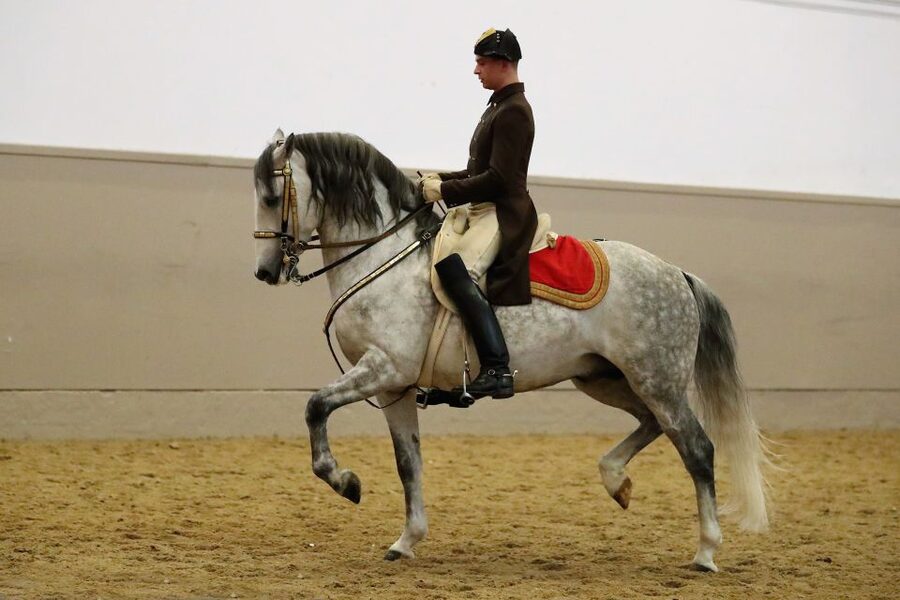
You usually have a choice between show types, and each one fits a different kind of evening.
If you want something straightforward with a focused runtime, go for the Standard Performance at about 70 minutes. It is a good match if your schedule is packed with other Vienna sights, yet you still want the signature Spanish Riding School experience.
If you like a little more structure and guidance, the Gala Performance at about 1.5 hours adds live moderation. That extra context can help you connect names like caprioles and Levade to what you are seeing in the moment.
If you want a longer night that leans more into the overall Vienna atmosphere, the Tribute to Vienna runs about 2 hours. For people who enjoy staying in one place and letting an event unfold, it is the kind of performance that can feel like a full evening program rather than a quick ticket-and-done stop.
No matter which format you pick, remember: this is a hall built for watching closely. Your enjoyment will rise if you slow down and watch for how each movement leads into the next.
Tickets, meeting point, and how to avoid a last-minute scramble
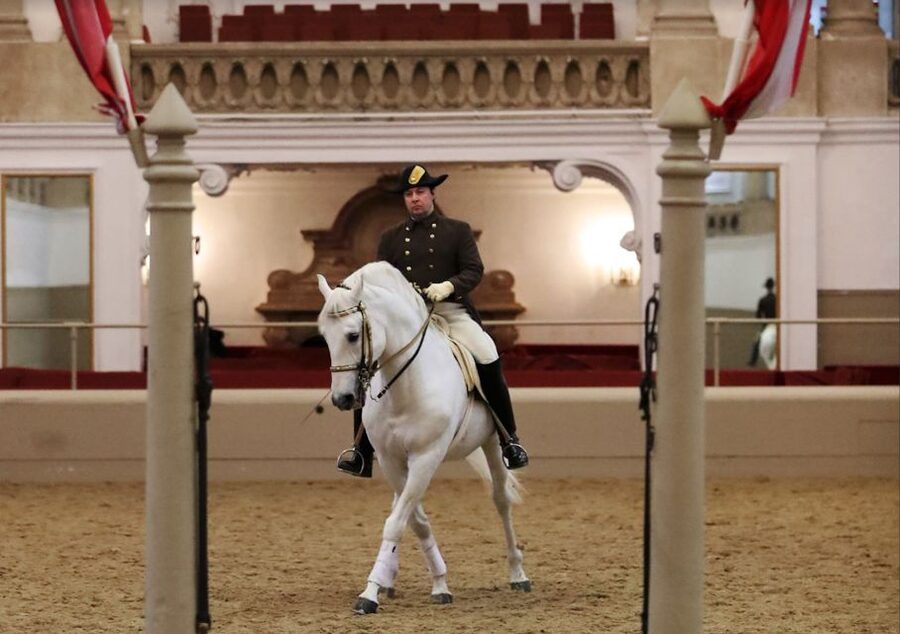
This is one of those experiences where good timing matters more than complex logistics. You present your voucher at the Spanish Riding School Visitor Center.
Here is the key scheduling detail: you must redeem your tickets prior to the show at the Visitor Centre. You can pick up your tickets earliest 1 hour before the activity. So if you arrive too early, you may just be stuck waiting outside like everyone else.
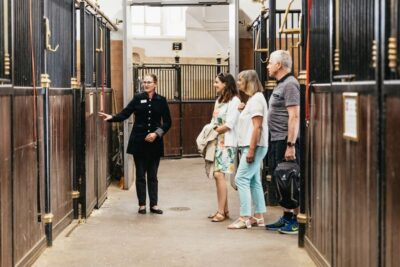
Also, there is no included tour of the building. You are buying entry for a performance, not a guided walk through the complex.
Once you have your voucher, you can also get a small perk at the shop. You can present your GetYourGuide mobile voucher at the souvenir shop at the main entrance on Michaelerplatz 1 to receive a 5% discount.
One more practical reality check: no wardrobe or luggage storage is available. Plan to arrive with what you can comfortably carry. If you are traveling with a heavy bag, this can turn your evening into an awkward logistics problem.
Value check: what you are paying for beyond the ticket itself
Ticket value here is less about “cost” and more about what is included in the experience. Your entrance ticket covers admission to a performance, plus an online booking fee. You are also getting the benefit of the show’s cultural weight, presented in a working historic arena.
What you are really paying for is access to three things that are hard to replicate elsewhere:
- A tradition of classical equitation practiced for more than 450 years
- The specific partnership of rider and Lipizzans, trained for advanced exercises
- The presentation layer, including classical Viennese music and André Heller’s lighting concept
The fact that UNESCO lists the preservation of this horsemanship practice as intangible cultural heritage gives the whole event a grounded purpose. You are not just watching a performance in a nice building. You are seeing a living discipline.
And even if you are unsure about horses, you might be surprised by how quickly you start following the movement and spacing. It is art, precision, and training all in one.
Practical tips for a smooth evening at Michaelerplatz
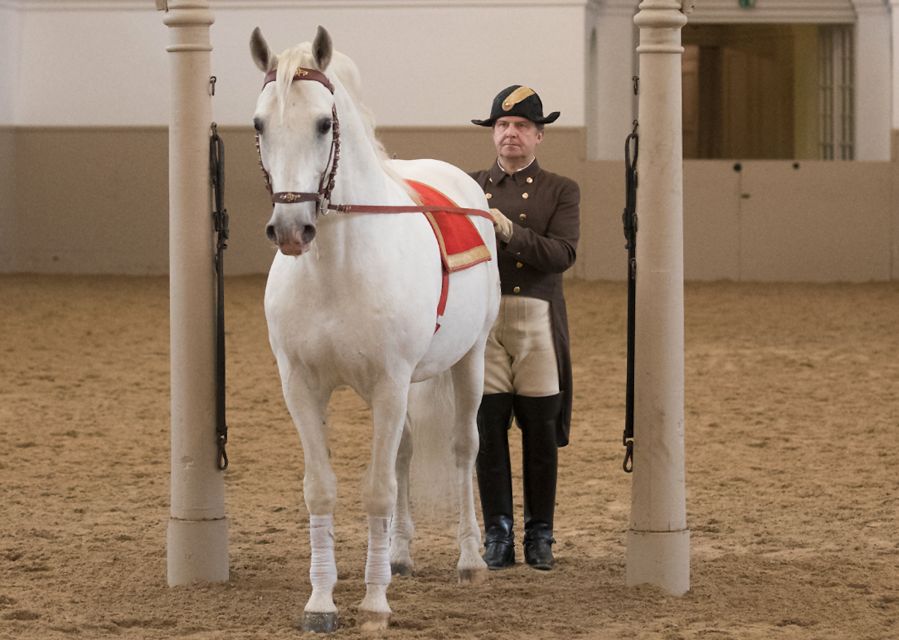
This venue sits in a central part of Vienna, which is great for pairing with nearby sights. But you still need to plan for the show day rules.
Pets are not allowed. Dogs cannot be taken to the Spanish Riding School. That is a strong constraint if you are traveling with an animal.
For kids, note that children under 3 years are not allowed to attend the performance. If you are traveling with little ones, you will want to confirm your group fits that limit.
Because there is no luggage storage and no wardrobe storage, your best move is to keep your plan light. Bring your essentials, wear comfortable shoes for getting to and from the Visitor Center, and expect to manage your own items before and after.
Also, transfers are not included. The show is simple to reach on your own, but you should not assume transportation is handled for you.
If you want the smoothest experience, aim to redeem your ticket at the Visitor Center around your planned arrival window, then take a moment to settle mentally before you take your seat.
Who this Spanish Riding School performance suits best
This show works for more people than you might expect.
If you love choreography, the controlled flow from one exercise to the next will appeal to you. If you are a history or culture traveler, the Renaissance Haute Ecole tradition and UNESCO context make it feel meaningful rather than random.
If you are skeptical about horse shows, this can still win you over because the emphasis is on classical technique and training. It is not just the horses doing stunts. The rider’s role is part of the performance’s language.
It also fits well for dates and special evenings in Vienna. The lighting, the music, and the solemn baroque setting make it feel like a ceremony, not a quick ticket purchase.
The only people who may find it frustrating are those who need tons of flexibility with bags and timing. Since luggage storage is not available, your day plan should account for carrying your items.
Should you book the Lipizzans at the Spanish Riding School?
Yes, if you want a Vienna experience that is both visually stunning and rooted in real ongoing training. The baroque Winter Riding School setting, the classic exercises like caprioles and Levade, and the thoughtful presentation with music and André Heller’s lighting all add up to a performance that feels special in a way you can’t fake.
Book it even if you are not a hardcore equestrian. What matters most is that you show up ready to watch carefully. If you keep your schedule calm enough to enjoy the full runtime, you will get more from the show than just the headline moments.
Skip it only if carrying your belongings is a dealbreaker or if you need something more hands-on than a performance. This is about precision, atmosphere, and tradition, delivered from the arena floor.
If that sounds like your kind of evening, your ticket will be money well spent.
More Tour Reviews in Vienna
- Vienna: Vivaldi’s Four Seasons Concert in Karlskirche
★ 4.7 · 14,951 reviews - Vienna: Schönbrunn Palace & Gardens Skip-the-Line Tour
★ 4.7 · 7,739 reviews - Vienna: Light of Creation Votive Church Immersive Light Show
★ 4.8 · 6,779 reviews - Vienna Spanish Riding School Guided Tour
★ 4.7 · 6,765 reviews - Vienna: Classical Concert in the World-Famous Musikverein
★ 4.6 · 6,673 reviews
More of the Spanish Riding School
- Vienna Spanish Riding School Guided Tour
★ 4.7 · 6,765 reviews - Vienna: Spanish Riding School Guided Architectural Tour
★ 4.8 · 307 reviews
Recently Added Around Vienna


Lipizzaner & Spanish Riding School Tours, compared.
 ★ 3.9Spanish Riding School TrainingFrom $209,281 reviews
 ★ 4.7Vienna Spanish Riding School Guided TourFrom $286,765 reviews
 ★ 3.9Spanish Riding School 45-Minute Performance ShowFrom $38731 reviews
 ★ 4.8Spanish Riding School Guided Architectural TourFrom $30307 reviews
Browse the lists this tour appears in