
Reviewed · MUSEUMS
Vienna: Chocolate Workshop in Chocolate Museum w/ Tasting
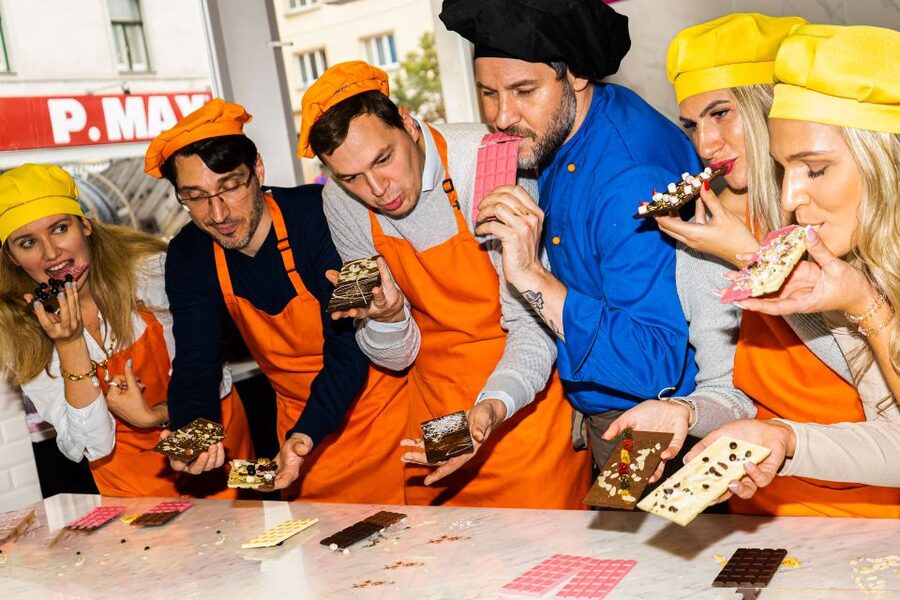
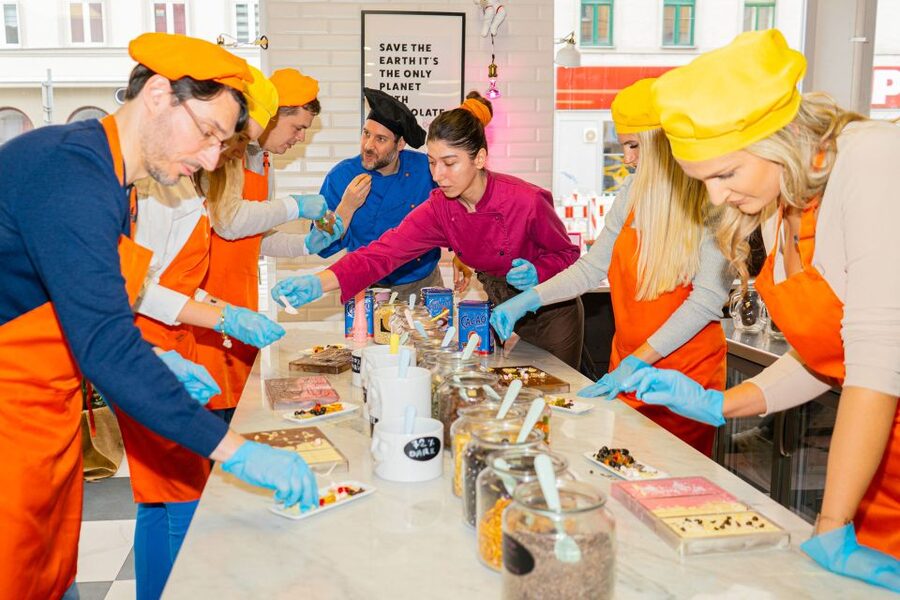
Chocolate turns into souvenirs in 90 minutes. At Chocolate Museum Vienna BO-YO, you get a hands-on workshop where you make three decorated chocolate bars using a professional tempering setup, then finish with Aztec-style hot chocolate tasting and a quick, interactive stop in the museum.
I love how practical it feels. You do real chocolate work, from the tempering process to pouring, topping, and tasting, rather than just watching someone else. I also like the human touch, with hosts and instructors who keep things friendly and clear, and who can explain chocolate history in a way that makes the whole room pay attention.
One consideration: the museum time is brief, and the workshop does not teach how to temper chocolate at home. So go in mainly for the fun, the technique you practice in class, and the take-home bars, not for a DIY tempering masterclass.
Key highlights at Chocolate Museum Vienna BO-YO
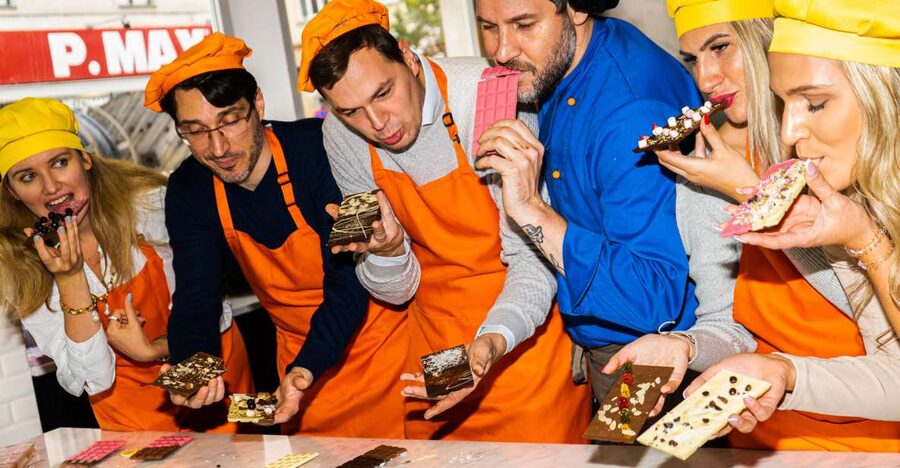
- Three full chocolate bars you create and decorate, plus you take them home
- Professional chocolate tempering machine time, with guidance from the instructor
- Aztec hot chocolate, Xocolate, made using traditional techniques and ancient-style tools
- Interactive museum visit that focuses on where cacao comes from and how chocolate evolved
- Museum certificate (BO-YO) signed after your workshop finishes
- Free tastings and snack stops built into the experience
Chocolate Museum Vienna BO-YO: a hands-on chocolate workshop that actually feels fun
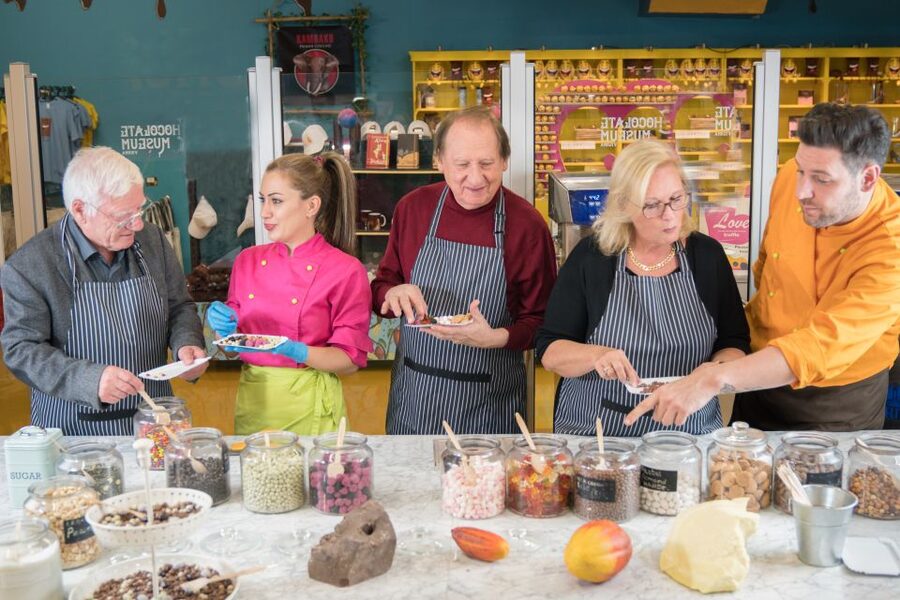
This is one of those Vienna activities that works for multiple moods. If you want something sweet and playful, you’re making candy bars with toppings you choose. If you want something a little brainy, you get tastings and explanations that connect what you’re doing to where cacao and chocolate ideas came from.
The best part is that you’re not stuck at a viewing counter. You’ll work with the tools and follow the steps with a guide standing right there to help. That’s why this feels more like a class than an attraction, even though it still has that quirky museum vibe.
You also get a built-in payoff. After you create three bars and try hot chocolate, you walk out holding your own chocolate souvenirs. In a city full of great museums, it’s a nice change of pace to leave with something edible.
Where it is and how the 90 minutes usually flow
You meet near the U-Bahn at Pilgramgasse, about a 3-minute walk to Chocolate Museum Vienna. If you prefer buses, line 14A or 12A stops right in front of the museum. The entrance is on the corner of Schönbrunner Straße and Reinprechtsdorfer Straße, so you should be able to spot it without heroic map work.
Time-wise, plan around 90 minutes total. The workshop itself takes about 60 minutes, and the museum visit is about 15 minutes, with some buffer for transitions. That pacing matters because it keeps the chocolate making from feeling rushed, but it also means you get only a short slice of the museum.
If you’re the type who likes to linger in museums, you might want to do a quick look afterward on your own. But if you want an activity that fits into a day of sightseeing without consuming your whole afternoon, this is a solid match.
The workshop starts with chocolate basics, then gets hands-on fast
Before you start pouring chocolate, you’re introduced to the main ideas: different types of chocolate, what tempering is doing for the final texture, and a guided walkthrough of the process. You’ll also get tastings and watch a demonstration, so you understand what the end result should look and taste like before you try.
One detail I appreciate here is the structure around technique. You hear about the seven steps of chocolate consumption, which turns what could be random tasting into something you can pay attention to. Even if you’re not a chocolate expert, it gives you a way to notice flavor and texture instead of just eating.
Then the class shifts from listening to doing. You’ll use provided ingredients and recipes, and you’ll work with tools made for you. No cooking experience is required, which is key if you’re traveling with kids or you just don’t want to guess your way through melted chocolate.
The tempering machine: the part you can’t really fake at home
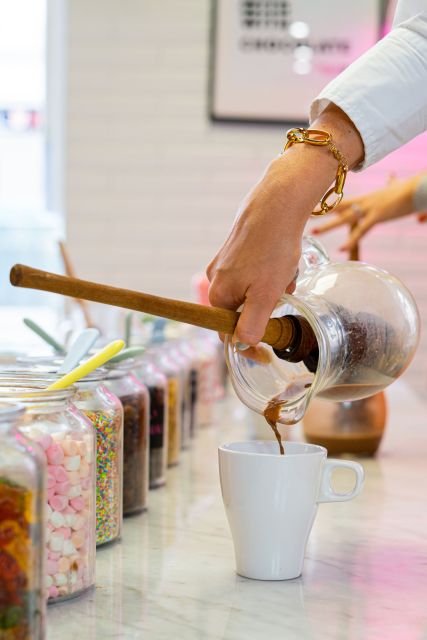
This workshop gives you something special: time with a professional chocolate tempering machine. That matters because tempering is the step that helps chocolate set properly and stay snappy, not dull or greasy.
What you should know upfront is that the workshop does not teach you how to temper chocolate at home. They’re focused on giving you the in-class technique and results, not turning you into a DIY chocolatier back in your kitchen. That’s not a downside if you’re on vacation. It means your job is to follow steps, learn in the moment, and make chocolate you’ll actually enjoy.
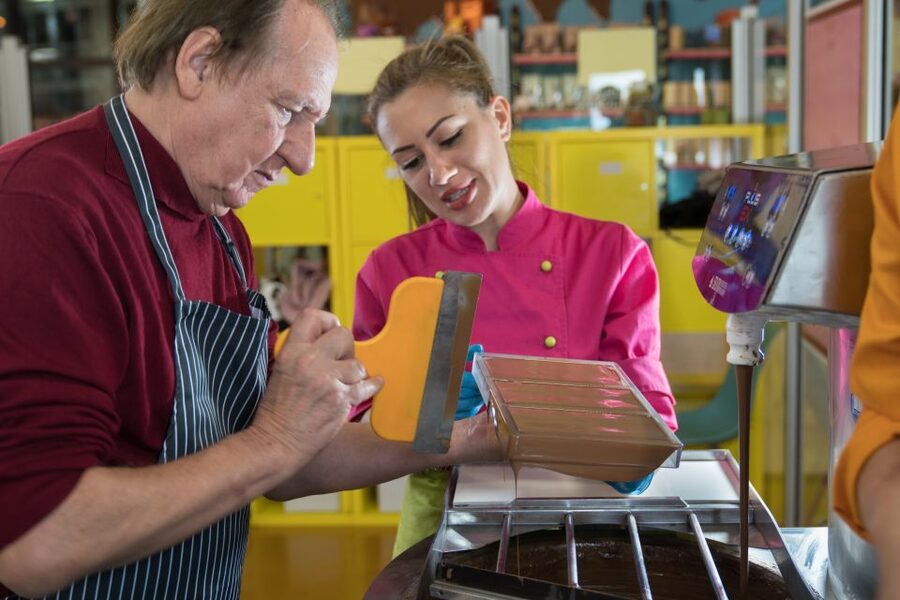
In practice, you’ll see and use the process during the workshop itself. Then you move on to pouring and distributing chocolate into molds. Expect that it takes a little concentration. A few people mention that it’s harder than it looks to pour and spread evenly, which is a good sign. It means you’re doing real work, not just pressing a button and calling it done.
Making three custom chocolate bars: choose types, add toppings, then decorate
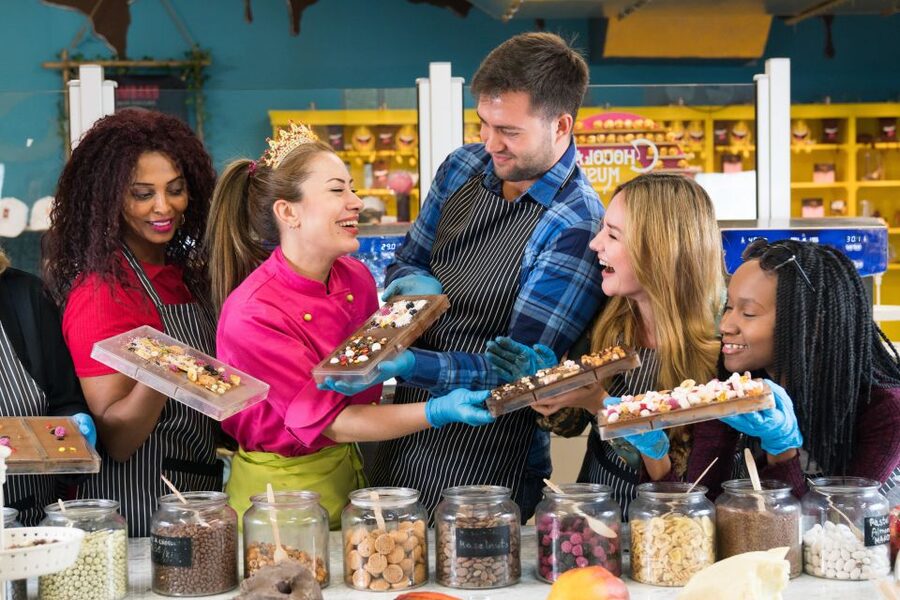
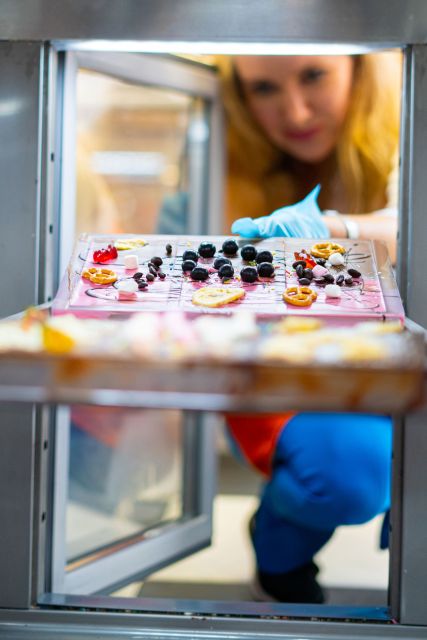
The core deliverable is simple: you create three unique chocolate bars and you decorate them to your taste. During the process you’ll pick ingredients and toppings, and you’ll build bars with the flavor style you prefer.
From what I’ve seen in the workshop experience, you may have options across different chocolate types, including dark, milk, and lighter-colored varieties. Some classes also let you choose fun colors like pink, depending on the setup that day. Either way, the idea is that your bars should reflect your tastes, not a one-size-fits-all tray.
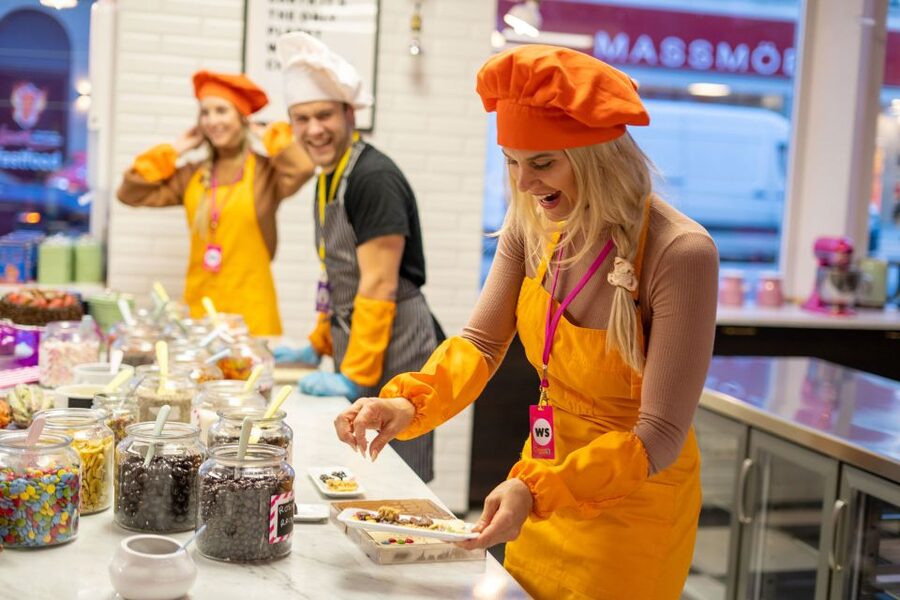
Decorating is where the workshop becomes genuinely playful. You’ll select toppings, then place them on your bars. This is a great “everyone contributes” stage, especially if you’re traveling as a couple or with family. Kids tend to love it because it feels like designing their own candy.
One practical note: once the chocolate is prepared, you’ll use a quick chill step (fridge time) so the bars set before you leave. That also means you get to keep the process moving without waiting around for hours.
Xocolate, Aztec-style hot chocolate: the recipe part people remember
The hot chocolate portion is not an afterthought. It’s positioned as the highlight, because you’re crafting an original recipe inspired by Aztec techniques. The workshop calls this drink Xocolate, and you’ll make it using traditional methods and ancient-style tools.
You get instructions and ingredients, and the drink is made from cocoa, sugar, and milk powder in the process described. The end result is typically thick and rich, the kind of hot chocolate that feels like a treat you earned, not a watered-down packet drink.
What I like about this section is that it adds variety. You’re not only doing chocolate bars. You get to create a warm, comforting drink using a different set of steps, which gives the workshop more momentum and more sensory payoff.
If you’re a coffee person, this still works because it’s a different flavor lane entirely. If you’re chocolate-obsessed, this is the part that ties the whole experience together by putting chocolate into a cultural story, not just a dessert.
The museum visit: short, interactive, and focused on cacao origins
After the workshop, you get a museum visit included with your ticket. The museum time is about 15 minutes, which means you’re not doing a slow afternoon browse. Instead, it’s a quick tour through interactive elements tied to the origins of cacao and the story of chocolate.
This museum isn’t trying to be a huge collection. It leans into hands-on, photo-friendly, and bite-sized learning. That’s good for time management. You’ll leave feeling informed without dragging the experience out past the point where it stops being fun.
If you’re traveling with kids, the museum format is generally a good fit because it breaks up the workshop with a change of pace. And if you’re traveling solo or as a couple, the interactive style keeps you from zoning out after the more technical chocolate steps.
What you get at the end: take-home chocolate plus your BO-YO certificate
You don’t leave empty-handed. You take home the chocolate bars you made, plus you’ve already enjoyed tastings during the class. That’s a real part of the value here, because you’re not only paying for an activity, you’re also paying for edible souvenirs that were made at your table.
You’ll also receive a signed certificate from the Bo-Yo Chocolate Museum when your workshop completion is done. It’s small, but it adds a finishing touch that turns a class into an experience you’ll remember later.
One more thing: the workshop includes museum entrance and skip-the-ticket-line access, so you’re not wasting time chasing tickets. In a city where schedules get tight, that kind of smooth flow matters.
Price and value in Vienna: is $55 actually fair?
$55 per person sounds steep until you break down what’s included. You get a guided workshop with professional equipment, free tastings and snack items, materials and ingredients, three finished chocolate bars you take home, Aztec-style hot chocolate you make and taste, and a signed BO-YO certificate, plus museum entrance.
If you compare this to paying for a standard museum ticket plus a separate chocolate product purchase, the math starts making sense. You’re essentially paying for a structured lesson, the labor of setup and instructors, and the ingredients that produce multiple take-home items.
Is it pricey? A couple of people felt it could be a touch expensive for what you get. That reaction usually comes from expecting a longer museum or more content on site. If that’s your mindset, you might be disappointed.
But if you want a compact, hands-on Vienna activity that leaves you with multiple treats and a story behind them, I think the price lands in the “worth it” zone.
Who should book this workshop, and who might skip it
This is a great choice if you want a hands-on activity in Vienna that you can do even if you’re not a cooking person. It’s also a good family option because the class is designed for both children and adults, and the instructor support is built in.
Age notes matter here. The workshop is not recommended for children under 5. If you’re coming with children under 10, you’ll need an adult ticket too, since kids must be accompanied by an adult who also has a ticket. For teens, it tends to be popular because they can actually make, decorate, and taste, not just observe.
Adults should book it if you like playful learning, and if you’d rather spend time making something than just reading about it. It also works well for couples because you can do the bar-making and decoration side-by-side.
You might skip it if you’re only looking for a deep, long museum visit. The museum segment is short. And if you want a full tutorial for tempering at home, the workshop does not teach how to temper chocolate yourself after you leave.
Practical tips so your class feels smooth
A few small things can improve the experience right away.
First, languages are listed as English and German. If you’re comfortable in either, you should be fine. The class is guided, and you’re provided with everything you need, including cookware, ingredients, and recipes.
Second, keep your expectations realistic about time. The workshop is about 60 minutes, and the museum is about 15 minutes. Bring a bit of flexibility so you’re not rushing photos before your chocolate sets.
Third, tastes are personal. Some people prefer milk chocolate and others prefer dark. If you like sweeter drinks, you might lean toward milk chocolate types. If you prefer deeper, more bitter notes, dark can be your lane.
Finally, give yourself a minute to get coffee or a hot drink from the counter area if you want it. The space is set up for a relaxed start, and it helps you settle before the chocolate making begins.
Should you book this Chocolate Workshop in Vienna?
I’d book it if you want a fun, hands-on Vienna activity that includes real technique practice, take-home chocolate souvenirs, and an Aztec hot chocolate experience. The professional tempering machine element is the kind of value that’s hard to replicate with DIY classes, especially when you’re just visiting and don’t want extra equipment.
I’d skip it only if you’re hoping for a long museum browse or if you want a home-tempering lesson. This workshop is designed to be compact and guided, then wrap up with certificate and chocolate you can share.
If you’re in Vienna and you like chocolate, this is a practical way to spend 90 minutes that ends with something delicious and tangible.
FAQ
How long is the Chocolate Workshop in Chocolate Museum Vienna?
The total experience is about 90 minutes. The workshop itself takes about 60 minutes, and the museum visit is about 15 minutes.
What do I make during the workshop?
You create three unique chocolate bars that you decorate, and you also make and taste hot chocolate inspired by Aztec techniques (Xocolate).
Do I need any cooking experience to join?
No. You do not need previous cooking experience, and the instructors are there to help you throughout the workshop.
What’s included with the ticket?
Your ticket includes museum entrance, free tastings, snacks, chocolate decorating materials, and a signed BO-YO certificate.
What language is the instruction offered in?
The workshop instruction is offered in English and German.
Can kids join, and are there age restrictions?
The workshop is not recommended for children under 5 years old. For children under 10, an adult must accompany them and the adult also needs a ticket.
Is the museum visit included?
Yes. You get free admission to the museum with your workshop ticket, and a short visit is included in the total time.
How do I get there?
The meeting point is a 3-minute walk from the U-Bahn station Pilgramgasse. You can also take Bus 14A or 12A, which stops directly in front of the museum.
Museums, compared.
 ★ 4.8Skip-the-Line Sisi Museum, Hofburg and Gardens TourFrom $615,918 reviews
 ★ 4.6Vienna Kunsthistorisches Museum Day Admission TicketFrom $253,690 reviews
 ★ 4.7Tickets for the Albertina ExhibitionsFrom $232,126 reviews
 ★ 4.6Sigmund Freud Museum TicketFrom $181,668 reviews
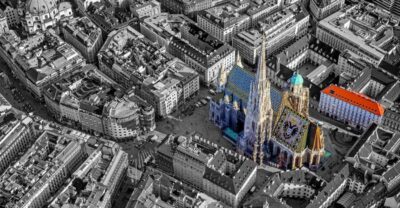 ★ 4.5St. Stephen’s Cathedral & Dom Museum Wien TicketsFrom $341,652 reviews
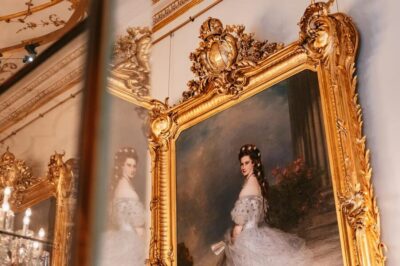 ★ 4.7Hofburg and Empress Sisi Museum Guided TourFrom $561,460 reviews
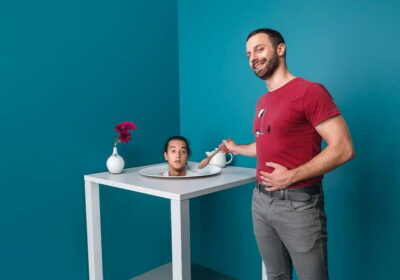 ★ 4.0Museum of Illusions Vienna Admission TicketFrom $181,058 reviews
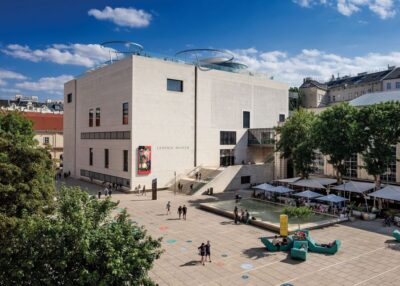 ★ 4.7Leopold Museum Skip-the-Line Entry TicketFrom $22968 reviews
Browse the lists this tour appears in