
Reviewed · MUSEUMS
Sigmund Freud Museum Ticket
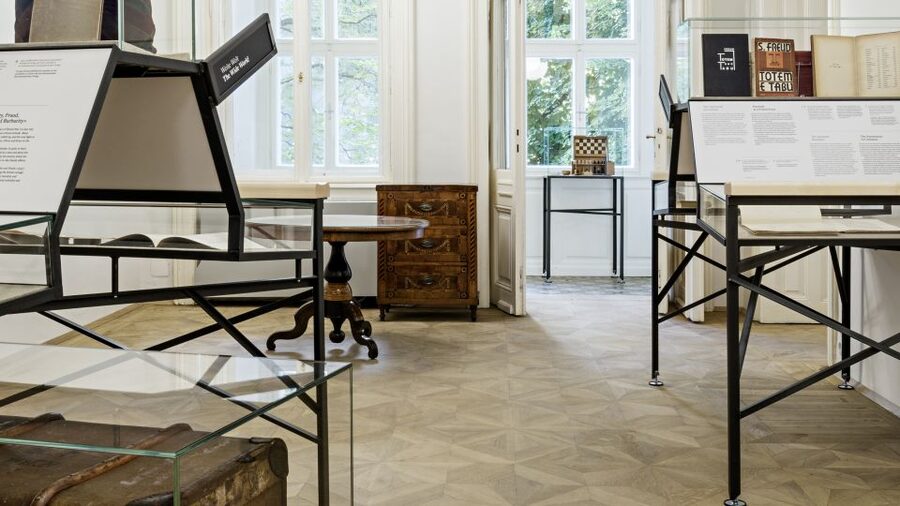
Freud’s house turns theories into real rooms. This museum at Berggasse 19 makes psychoanalysis feel less like a textbook topic and more like something that happened in ordinary rooms and an everyday practice. I especially loved using my phone for the Freud’s Couch AR experience, and I enjoyed the direct emotional hit of hearing recordings of Sigmund and Anna Freud.
One consideration before you go: parts of the exhibit can feel hard on the eyes, with dim lighting and some key items, like the couch, presented through AR rather than as a big physical centerpiece.
Key things you will notice right away
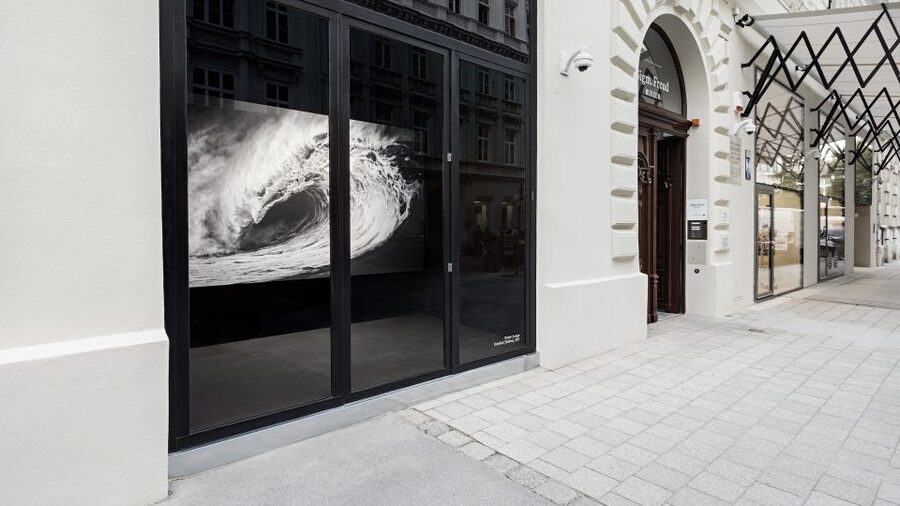
- Berggasse 19’s historic entrance: you step in along the same kind of approach Freud and his patients used.
- Private rooms plus a clinic mindset: you see how work and home overlapped in half a decade here.
- AR “Freud’s Couch” on your phone: the museum places the experience where the famous piece of furniture sat.
- Voices, not just text: audio recordings bring Sigmund and Anna Freud into the rooms.
- Tragic context is built into the visit: the museum also shows what happened at Berggasse 19 after the Nazis arrived.
- Conceptual art in Freud’s former office: a permanent exhibition runs there, linking psychoanalysis to visual thinking.
A useful second option for the same Vienna day:
- Vienna Kunsthistorisches Museum Day Admission Ticket★ 4.6 · 3,690 reviews
- Vienna: Tickets for Mozarthaus Vienna with Audio Guide★ 4.2 · 2,344 reviews
- Vienna: Skip-the-Line Entrance Ticket to the Danube Tower★ 4.5 · 2,303 reviews
- Tickets for the Albertina Exhibitions★ 4.7 · 2,126 reviews
Arriving at Berggasse 19, Vienna’s psychoanalysis address
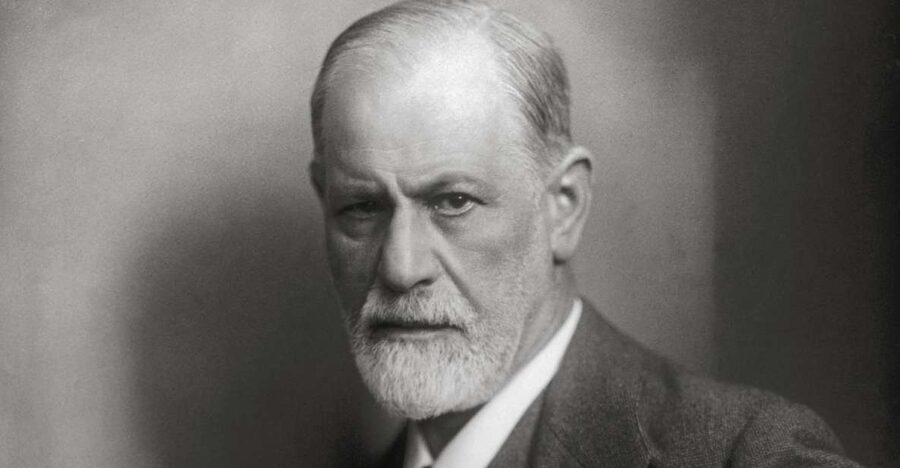
The museum is in Freud’s former home and practice, at 19 Berggasse in Vienna. That location matters. It takes the ideas people argue about and puts them in a place you can actually walk through, with stairs, private rooms, and a sense of daily routine.
When you start at the main entrance, you’re not just entering a collection. You’re stepping into a working address that shaped how Freud thought and how patients arrived. It helps you understand why psychoanalysis spread beyond psychology, into culture, art, and how we talk about the mind.
Ticket value: what $18 gets you in a one-day visit
At about $18 per person for a 1-day ticket, this is a fair price for a museum that covers a full life in context. You are paying for more than artifacts. You’re paying for a layout that explains Freud’s work alongside the family story, and it uses audio and AR to make the space do some of the teaching.
I also like that the experience can be paced. Some people spend around 1.5 hours. Others take closer to 3 hours. You can do a quick but thoughtful pass, or slow down and read more carefully in places that move you.
Two practical notes from the vibe of the visit: (1) the exhibits can feel warm, so dress in breathable layers, and (2) photography rules matter. Flash photography is not allowed, so plan to rely on your memory and the exhibit captions.
Skip the ticket line, then go straight to the historic steps
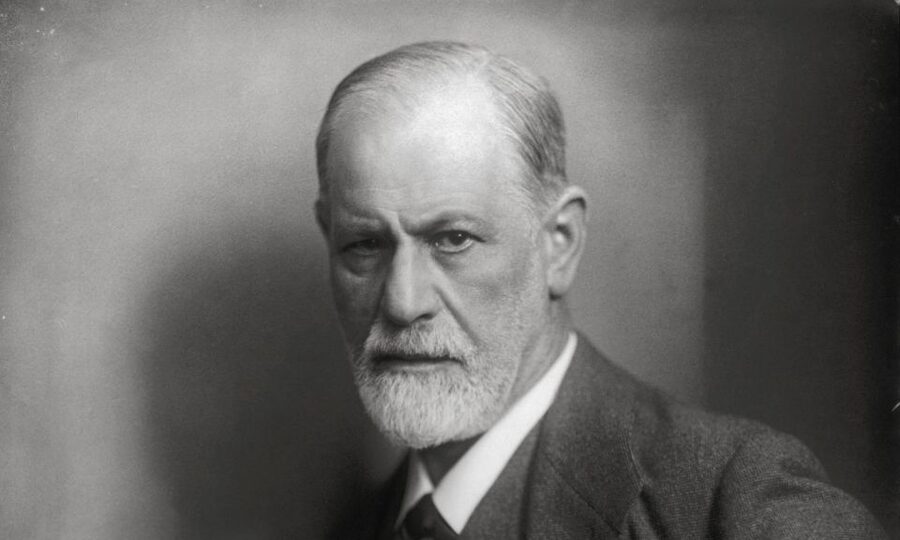
Your ticket voucher is presented at the main entrance. If you choose a time slot, you can skip the ticket line, which matters for a city museum in a busy neighborhood.
Then you walk in the museum’s version of Freud’s route: taking the historic steps up to the mezzanine, where the Freud family lived. This is one of the most effective “lessons without a lecture” parts of the whole visit. Seeing the layout makes it easier to grasp how professional practice and family life were intertwined.
If you want a calmer start, aim for earlier entry times. That simple choice can mean more quiet space to take in the rooms before it fills up.
The private rooms: where work and life overlapped
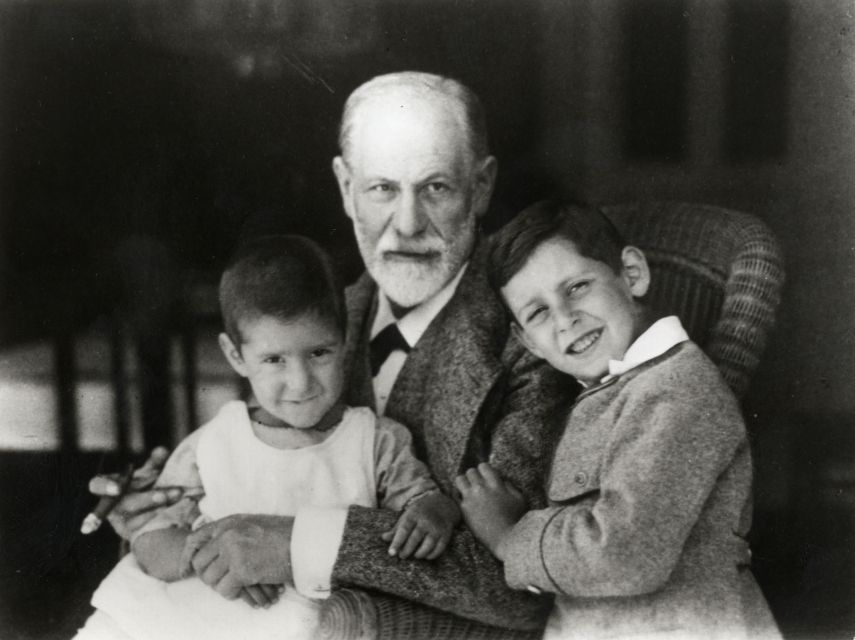
This is where the museum earns its emotional power. You move through the private rooms where Freud lived and worked for about half a decade, and you see an intellectual center of turn-of-the-century Vienna rather than just a single famous office.
Look for how the exhibits connect professional stations to biographical details. The museum doesn’t treat Freud like a detached genius. It shows him as a working doctor, a theorist, and a family man in a specific place and time.
A practical tip: the museum layout lets you move around, but you may not always get perfect chronological guidance room by room. If you care about strict timelines, expect to read captions closely and be ready to mentally reorder ideas as you go.
More museum hours out of the weather
AR “Freud’s Couch” and audio recordings that change the tone
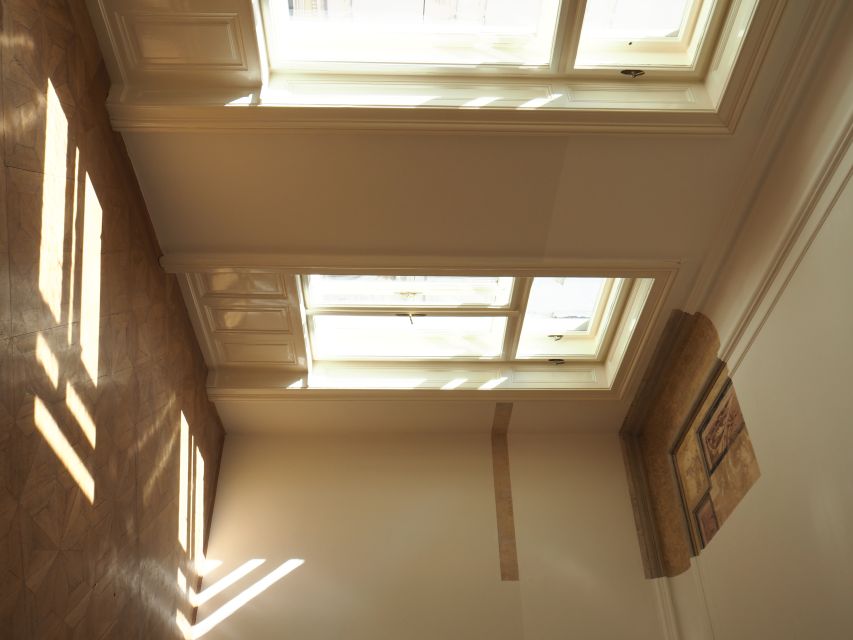
Two parts here feel very modern, and that’s a good thing.
First is the AR installation, “Sigmund Freud’s Couch.” The phone experience starts right where the famous piece of furniture used to sit. Instead of telling you what the couch meant, it anchors the idea in a real spot in the museum.
Second is the audio. You can hear recordings with the voices of Sigmund and Anna Freud. Even if you know Freud’s name, that voice element shifts the experience. It turns historical material into something more immediate and human.
One small caution: the audio exhibits may not always feel perfectly organized in sequence. If one track seems off, don’t assume you missed it. Keep moving, read the nearby signage, and let the room guide you.
Freud’s practice, artifacts, and rare print material
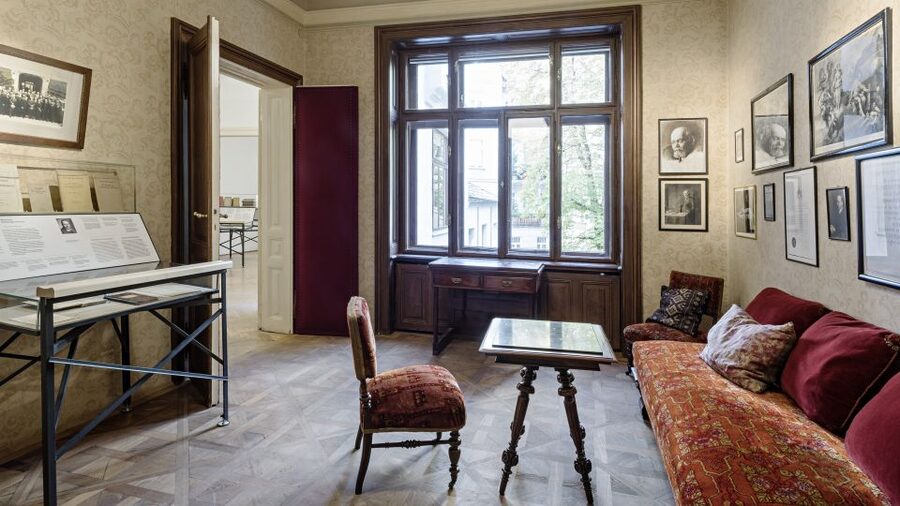
This museum doesn’t just summarize psychoanalysis. It shows how Freud built his thinking through work, notes, publications, and presentations of ideas.
You’ll see professional tools and exhibition materials that help connect theory to medical practice. There are highlights like rare first editions, offprints, and presentation copies that give you a sense of how Freud’s ideas developed on paper and through real professional channels.
If you are a history person, this part can feel especially satisfying. If you are more new to Freud, it still helps because you can follow the story in stages, rather than getting hit with a single big concept all at once.
Also, pay attention to the museum’s changes over time. Some objects and parts of the original setup were not retained when Freud fled Vienna, and the museum frames that loss as part of the story, not an inconvenience.
A newly built staircase that tells what happened after expulsion
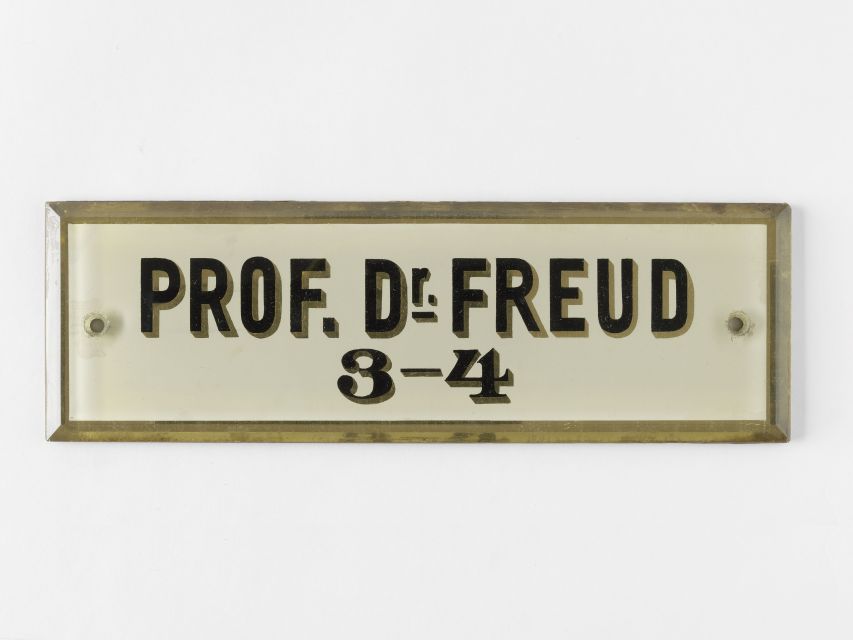
One of the museum’s clever design choices is a newly built staircase connecting all floors. It’s not just architecture. It recounts the house’s history and its occupants, including the period after Freud’s expulsion.
This is the darker turn of the visit. The museum depicts how Nazi violence reached Berggasse 19, including the reality that Jews were collected there. The message is clear: even places tied to ideas were not safe from the machinery of persecution.
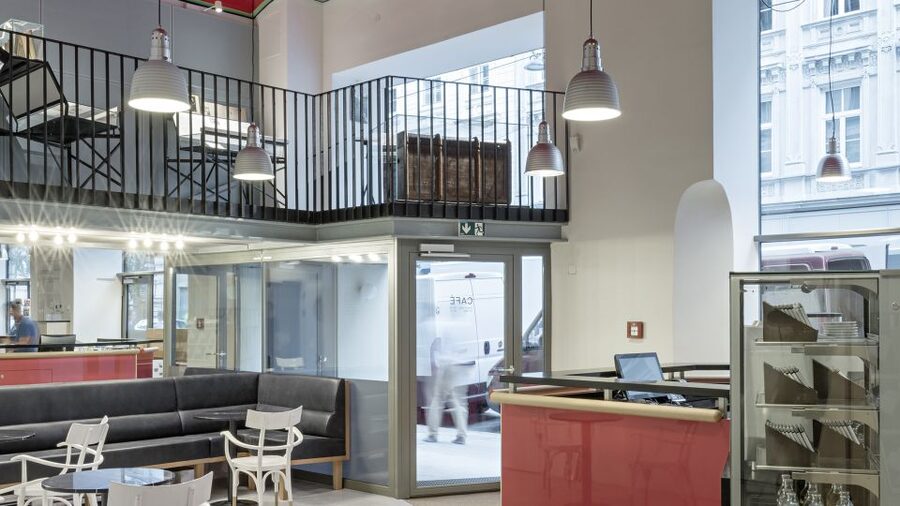
If you’re sensitive to this subject, plan your pacing. You can take breaks in the café area later, but it helps to slow down during this section rather than rushing through it.
The London exile section: family fate and hard history
Another separate area focuses on Freud’s flight into exile in London with his closest family. The museum also addresses the fate of Freud’s sisters, including Rosa, Marie, Pauline, and Adolfine, and what happened after Nazi extermination policies reached them.
This part is emotionally heavy. It also adds context to why the museum feels both personal and incomplete. You aren’t walking through a preserved shrine. You’re walking through a survivor story, with missing pieces that the museum treats with care.
If you appreciate clear framing, you will likely like how the exhibits connect biographies to historical events, instead of isolating Freud’s work from the world that shaped it.
“Hidden Thoughts of a Visual Nature” inside Freud’s former office
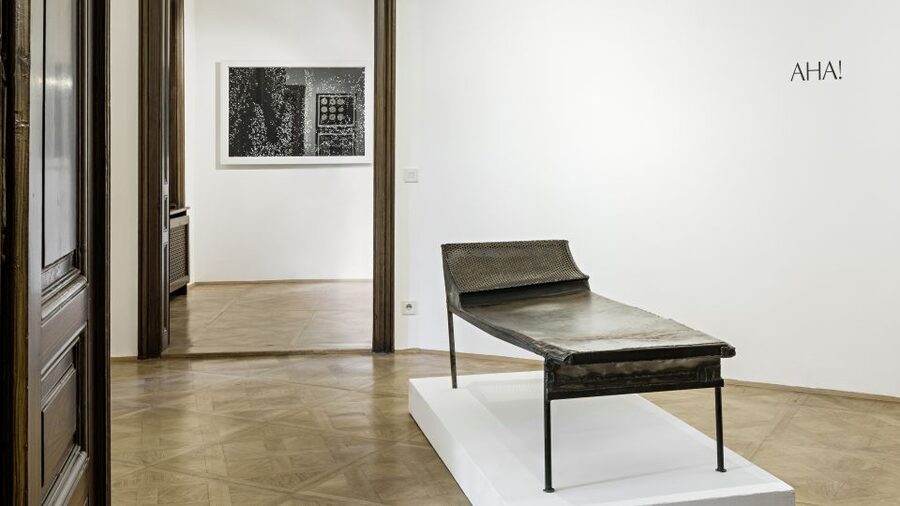
Freud’s former office houses a permanent exhibition called “Hidden Thoughts of a Visual Nature.” Here the museum shifts from classic psychoanalysis artifacts toward conceptual art that invites you to think about visual thinking and interpretation.
You’ll encounter works by artists including John Baldessari, Joseph Kosuth, Susan Hiller, Franz West, Haim Steinbach, and others. The effect is unusual in a Freud museum, but it makes sense. Psychoanalysis is partly about meaning-making, patterns, symbols, and how humans interpret what they see.
If you come expecting only biographies and documents, this office stop is a welcome surprise. If you’re an art lover, it also gives you a second reason to stay longer than you planned.
Puzzles for kids, and why that actually helps adults too
One thing I really like about the museum experience is that it doesn’t forget younger visitors.
In the rooms, there are puzzle stickers hidden in each room that help reveal Freud’s dog. That playful layer can keep kids engaged, and it also encourages adults to look more carefully at the details you might otherwise skim.
Some visitors also mention a board game in the shop that connects to the experience. Even if you do not buy it, the idea is smart. It turns the museum into something you can revisit later at home.
Time planning and what order to consider
The museum is best as a single focused stop. You can do it in about 1.5 hours if you skim some sections and follow the highlights. If you want to read captions, take it slow, and sit with the heavy history, plan closer to 3 hours.
If you want maximum impact, I suggest this general flow: start with the rooms and office context, take the AR and audio while you are still “in the place,” then brace yourself emotionally for the Nazi-era sections later rather than early. After that, the office art exhibit can feel like a thoughtful release, not just an extra room.
Also, the museum is wheelchair accessible, so you can plan a route that fits your mobility needs without feeling like you must skip major areas.
Museum shop and café: a good place to decompress
When you finish, you reach the museum shop and café. I like this stop because it turns your last moments into something normal, after all that history.
You can browse book and gift selections, then grab a Viennese coffee with cake, or choose Viennese wine instead. It’s a simple way to reset your brain before you head back out into Vienna.
If you bought a guidebook or art-related book, this is where it all clicks. You can connect what you just saw to what you’ll read later.
Should you book the Sigmund Freud Museum ticket?
If you have any real interest in Freud, psychology, history of ideas, or Vienna’s intellectual world, I think this is an easy yes. The blend of historic rooms, voices from Sigmund and Anna, the AR “Freud’s Couch” experience, and the way the museum frames both creation and catastrophe makes it more than a basic biography.
Book it if you want an experience that is partly educational and partly emotional. You’ll likely feel the strongest impact in the sections about exile and what happened to family members.
Skip or think twice only if you strongly dislike dim lighting or are sensitive to heavy Nazi-era content. And if you expect to see every famous item on display as a physical object, adjust your expectations, because some iconic elements are recreated through AR rather than sitting there for you to stare at all day.
FAQ
Where do I present my ticket voucher?
Present your ticket voucher at the main entrance of the Sigmund Freud Museum.
How long is the visit?
The ticket is valid for 1 day, and you can plan on spending a focused visit of a few hours depending on how closely you want to read and explore.
What does the ticket include?
The ticket includes museum admission.
Is there a skip-the-line option?
Yes, the experience includes skipping the ticket line.
Is flash photography allowed?
No, flash photography is not allowed.
Can I use my phone for the main AR feature?
Yes, you use your phone to start the AR installation Freud’s Couch.
Is the museum wheelchair accessible?
Yes, the museum is wheelchair accessible.
Are opening hours fixed?
Opening hours are subject to change.
What if I need to cancel?
You can cancel up to 24 hours in advance for a full refund.
Vienna Under a Roof: More Museums
- Vienna: Skip-the-Line Sisi Museum, Hofburg and Gardens Tour
★ 4.8 · 5,918 reviews - Vienna Kunsthistorisches Museum Day Admission Ticket
★ 4.6 · 3,690 reviews - Tickets for the Albertina Exhibitions
★ 4.7 · 2,126 reviews - Vienna: St. Stephen’s Cathedral & Dom Museum Wien Tickets
★ 4.5 · 1,652 reviews - Vienna: Hofburg and Empress Sisi Museum Guided Tour
★ 4.7 · 1,460 reviews
More Tickets in Vienna
- Vienna: Classic Ensemble Vienna in St. Peter’s Church Ticket
★ 4.7 · 4,819 reviews - Vienna Kunsthistorisches Museum Day Admission Ticket
★ 4.6 · 3,690 reviews - Vienna: Tickets for Mozarthaus Vienna with Audio Guide
★ 4.2 · 2,344 reviews - Vienna: Skip-the-Line Entrance Ticket to the Danube Tower
★ 4.5 · 2,303 reviews - Tickets for the Albertina Exhibitions
★ 4.7 · 2,126 reviews
More Tour Reviews in Vienna
- Vienna: Vivaldi’s Four Seasons Concert in Karlskirche
★ 4.7 · 14,951 reviews - Vienna: Schönbrunn Palace & Gardens Skip-the-Line Tour
★ 4.7 · 7,739 reviews - Vienna: Light of Creation Votive Church Immersive Light Show
★ 4.8 · 6,779 reviews - Vienna Spanish Riding School Guided Tour
★ 4.7 · 6,765 reviews - Vienna: Classical Concert in the World-Famous Musikverein
★ 4.6 · 6,673 reviews
Recently Added Around Vienna


Museums, compared.
 ★ 4.8Skip-the-Line Sisi Museum, Hofburg and Gardens TourFrom $615,918 reviews
 ★ 4.6Vienna Kunsthistorisches Museum Day Admission TicketFrom $253,690 reviews
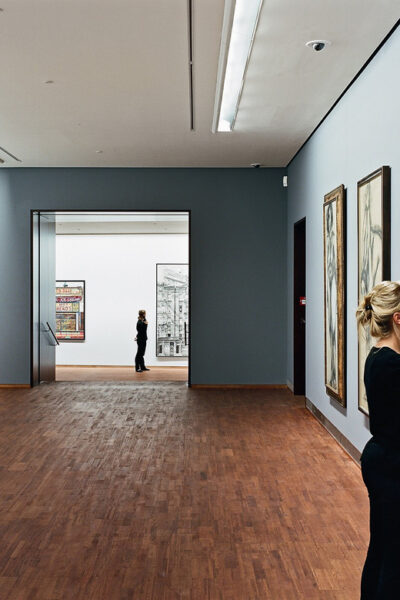 ★ 4.7Tickets for the Albertina ExhibitionsFrom $232,126 reviews
 ★ 4.5Chocolate Workshop in Chocolate Museum w/ TastingFrom $551,802 reviews
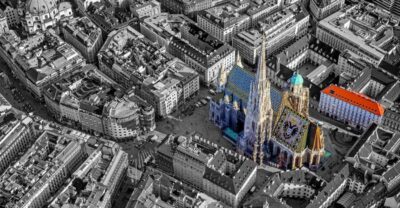 ★ 4.5St. Stephen’s Cathedral & Dom Museum Wien TicketsFrom $341,652 reviews
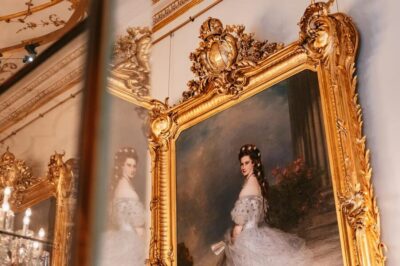 ★ 4.7Hofburg and Empress Sisi Museum Guided TourFrom $561,460 reviews
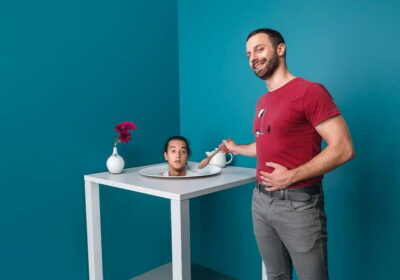 ★ 4.0Museum of Illusions Vienna Admission TicketFrom $181,058 reviews
 ★ 4.7Leopold Museum Skip-the-Line Entry TicketFrom $22968 reviews
Browse the lists this tour appears in