
Reviewed · VIENNA FOOD, MARKET & TASTING TOURS
Vienna for Food Lovers: Cafés, Markets & Austrian Cuisine
Vienna can be a maze. This food-first walk uses landmarks and markets to help you learn the city fast, while you eat your way through it.
Two things I really like: you get real Viennese coffeehouse culture with pastries at local favorites, and you also taste proper hearty Austrian lunch plus street food, not just sweets. The second win is how the route mixes central icons with other districts, so you see more than the postcard center.
One thing to plan for: it is pastry-heavy, so if you have serious gluten needs, you may find options limited.
Key things to know before you go
- Come hungry. You’ll get multiple tastings plus a full lunch, and the pace is designed around eating.
- Public transport is part of the fun. The guide helps you move like a local, and metro tickets are not included.
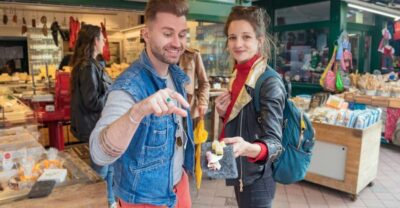
- Markets plus coffeehouses, not one or the other. Naschmarkt and Brunnenmarkt show you produce, sweets, and everyday Vienna.
- Small-group attention. It’s capped at 16 people, so questions and menu help actually happen.
- Dietary limits are real. Vegetarian and vegan guests are welcome, but gluten allergies are harder to accommodate.
- You’ll touch classic streets early. You start near Graben and Stephansplatz, then fan out to other neighborhoods.
Still hungry? More Vienna plates to try
- Vienna for Food Lovers: Cafés, Markets & Austrian Cuisine★ 5.0 · 1,063 reviews
- Authentic Vienna Food Tour inc. lunch, street food, 3 drinks★ 5.0 · 749 reviews
- Vienna: Culinary Experience at Restaurant Stefanie★ 4.7 · 526 reviews
- From Vienna: Bratislava City Tour with Food Options★ 4.0 · 451 reviews
Starting at Jasomirgottstraße: your Vienna orientation breakfast (without the breakfast)
The tour begins at Jasomirgottstraße 3/5, right in the inner-city zone where walking makes sense and transit is close. Starting at 9:30 am is smart because Vienna is already active, and your morning energy helps you handle a day built around frequent stops.
You’ll keep moving on foot and by public transport, which means you get city orientation in a way that’s easier than trying to map everything yourself. I like that you get menu help along the way, especially if German feels intimidating. Vienna’s food culture has lots of small choices, and having someone explain what you’re looking at saves time and confusion.
Graben and Kohlmarkt: elegance first, then eating mode
You begin on Graben and Kohlmarkt, two of Vienna’s most elegant shopping streets. Even if you’re not shopping, this is a great warm-up. You get big-impression architecture, historic lanes, and a feel for how central Vienna was shaped.
The practical upside is rhythm. You start with a quick landmark walk, so you know where you are before the food plan ramps up. It also helps you understand why later stops in markets feel different, because you’ve already seen the polished imperial streets.
Stephansplatz and St. Stephen’s Cathedral: classic Vienna, but with a purpose
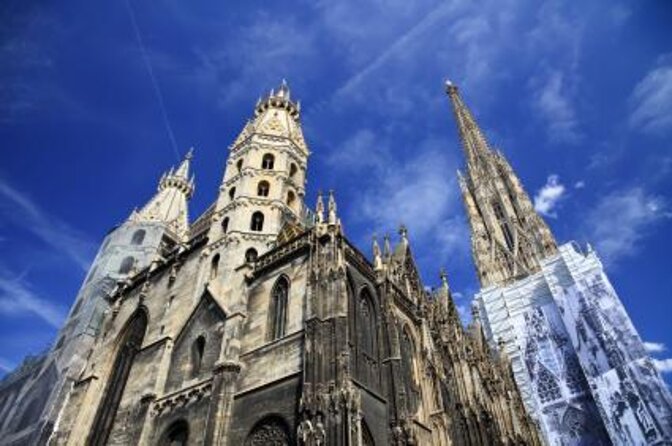
You spend time around Stephansplatz and St. Stephen’s Cathedral. This is the part of the tour that anchors you to the city center. You’re not just ticking off a sight, you’re setting a reference point for the rest of the day.
Why it matters: once you’re back near Stephansplatz at the end, it feels like you returned home after exploring. The tour ends back at the meeting point area, so you leave with a clear mental map, not a blur of districts.
Reumannplatz and Groissböck: coffeehouse comfort with a local face
Reumannplatz is a different kind of stop. Instead of staying purely in the center, you move into a neighborhood square that connects you with everyday Vienna life. The square has its own historical footprint, created in 1872 as a citizen square on the southern edge of what used to be the 4th district.
Then you eat at Groissböck, where the focus shifts to Austrian sweet confectionery and freshly roasted coffee. This is a key moment because it’s where the tour teaches you how Viennese taste preferences work: coffee is not a quick caffeine hit, it’s part of the social ritual, and pastries are treated like a serious course.
If you’re the type who wants to understand a place through how people actually spend their time, this stop hits. The only caution is simple: if you save your appetite for later, you might regret it. The tour doesn’t let hunger catch up.
More Viennese plates and glasses to line up
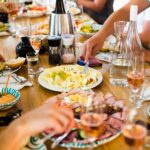
Brunnenmarkt: market strolling where Vienna feels more mixed
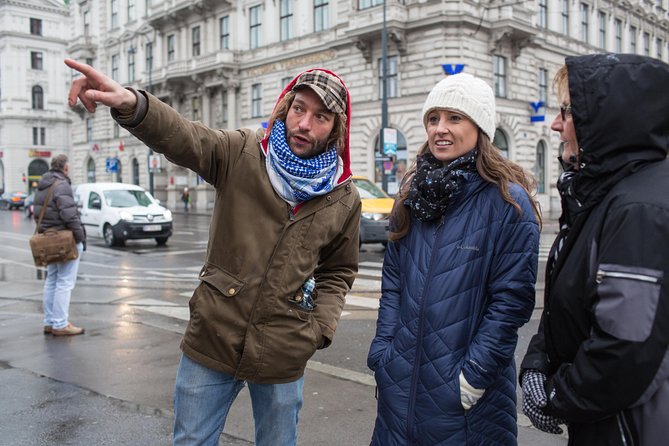
Brunnenmarkt is one of Vienna’s longest street markets, and it’s known for a multicultural, local vibe in the 16th district. This is where the experience starts to feel less like a tour loop and more like an actual morning in the city.
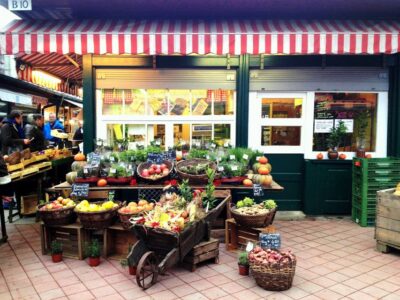
You’ll browse stalls with colorful produce, sweet treats, and everyday homeware. It’s a hands-on way to see the pantry side of Vienna. You also get a chance to practice market choices, which is useful because Vienna has both high-end food culture and very practical, everyday eating.
Possible drawback: markets can be a little uneven underfoot. If you’re carrying a day bag or wearing shoes that aren’t great for street surfaces, you’ll feel it after a few stops. Comfortable shoes are the low-effort upgrade that makes the whole day better.
Café Korb: the strudel and coffee break that locals actually keep
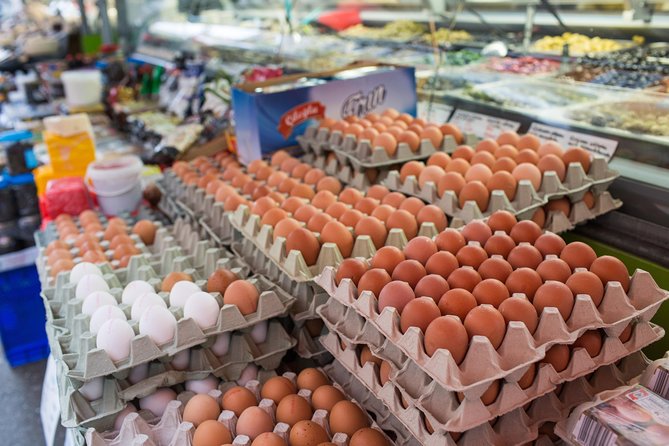
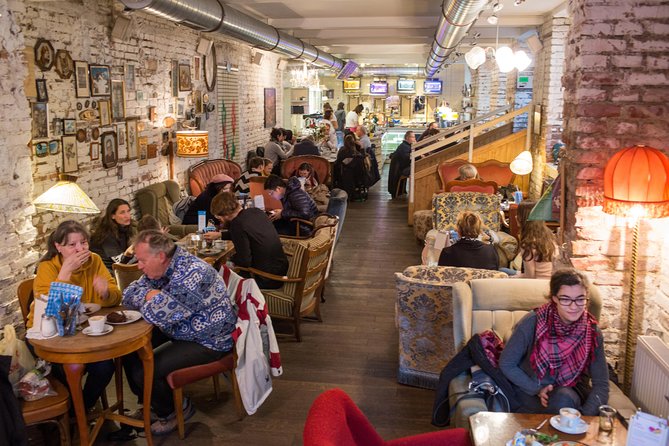
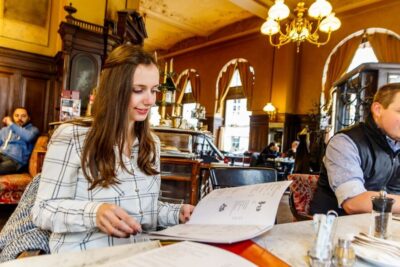
Next comes Café Korb, described as a hidden café still beloved by locals. You get a traditional Viennese coffee and strudel, served in a setting that feels more lived-in than staged.
This stop matters because it teaches you the coffeehouse logic. In Vienna, coffeehouse culture is a whole thing, not a single item on a menu. Here, you’re not just ordering food, you’re taking a short break to observe the pacing of local life.
Tip that will help you: order with the rhythm of the place, not like a grab-and-go. Even if you’re hungry, slow down for a few minutes. The whole tour is designed so this pause refreshes you rather than stalls you.
Würstelstand: Austrian street food culture, mustard and pickles energy
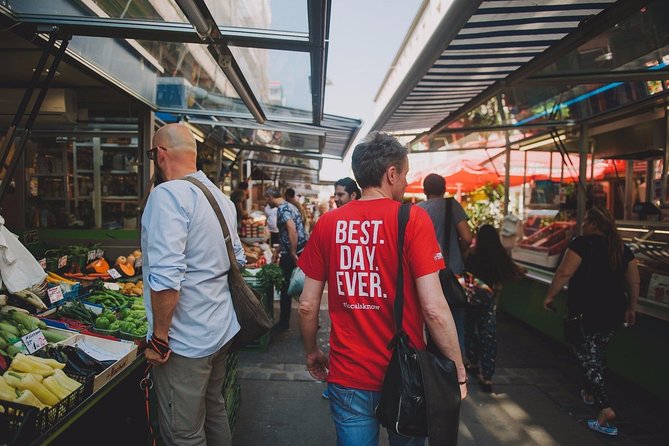
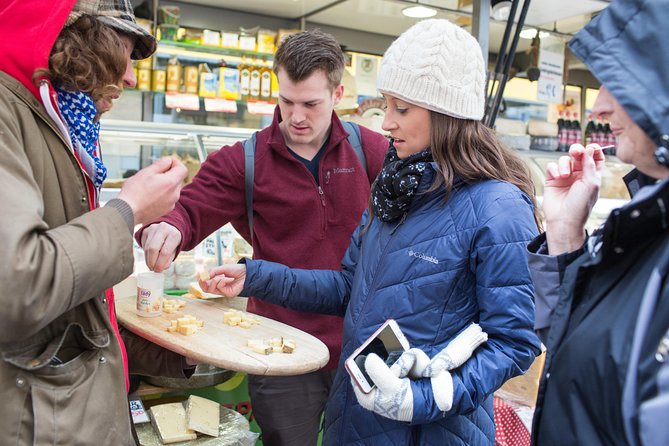
You’ll also get authentic street food culture at a traditional wurstelstand, where you sample Austria’s beloved sausage tradition. This is the “grab a local bite” counterpoint to the pastry and lunch portions.
What makes this stop fun is the variety of flavors and the sense of tradition. Sausage in Vienna isn’t just fast food, it’s a cultural habit with its own way of eating. If you like mustard and tangy sides, this part can become your favorite moment of the day.
One consideration: if you prefer very mild flavors, ask questions early so you’re not surprised by toppings. The guide is there to help you decode what you’re looking at and what to expect.
Naschmarkt, plus more possible stops: why the markets change your whole Vienna view
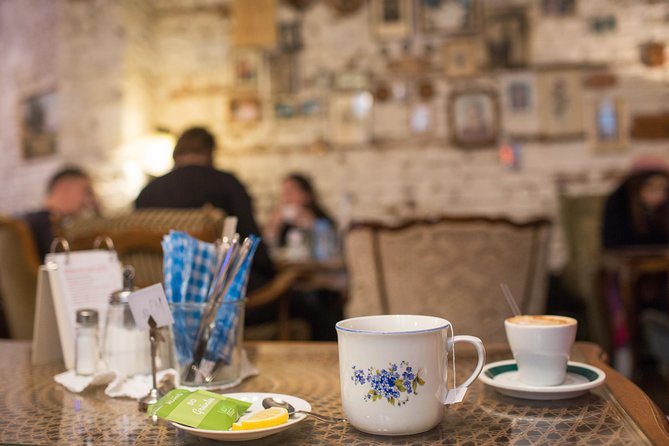
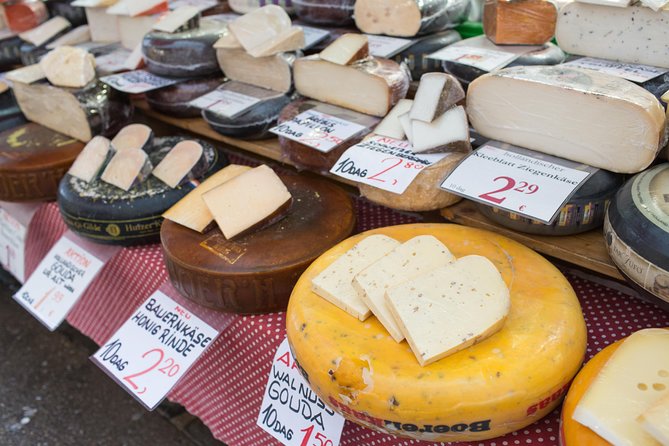
You’ll visit two open-air markets, Naschmarkt and Brunnenmarkt. Naschmarkt is famous, but what makes this stop valuable is how it’s used in context. You’re not only looking at the market, you’re getting guidance on what to taste and why those foods fit into Viennese everyday eating.
There are also times during the day when you may pass by additional places, but it’s not guaranteed. These could include Viktor-Adler-Markt, Alles Walzer Alles Wurst, Gegenbauer, or ÖZ Aslan. I treat these as bonuses. The core value remains the planned coffeehouse, lunch, and market pairings.
If you want a Vienna that feels human, this is the angle. Central sights explain architecture, markets explain what people actually eat.
What you really eat on this tour: pastries, a proper lunch, and Austrian drinks
This is not a light snack tour. It’s built around generous samples and hearty bites across the morning and early afternoon.
You can expect a seasonal strudel with tea or Viennese coffee, plus multiple sweet and savory items along the way. Lunch is a real meal with options like schnitzel, goulash, or a vegetarian dish. You may also have a ham and horseradish sandwich with a spritzer, and there’s a sweet highlight like an iced apricot dumpling.
Drinks are part of the deal too. You’ll sip locally produced wine or beer alongside your meal, with Grüner Veltliner mentioned as a typical pairing. You also get a stop in a traditional coffeehouse where you can choose tea, Viennese coffee, or hot chocolate.
My best advice is logistical: don’t schedule a heavy dinner afterward. This tour basically removes the need to plan one. At the same time, if you’re sensitive to coffee or strong flavors, tell your guide early so they can steer you toward the right choices.
Getting around like a local: metro tickets you’ll need to budget for
The experience includes using public transport to connect neighborhoods. That is a big part of why it feels efficient.
Just know metro tickets are not included. You’ll want to have your transit method ready so you’re not scrambling at stations. The guide also helps with the practical side, like figuring out where to stand and how to transfer.
Why I think this is good value: if you’re only in Vienna for a short time, learning the transit rhythm quickly saves energy the rest of your trip. You can also use what you learn here later for museums, parks, and day trips.
Guides and small-group energy: the difference between a food stop and a story
This tour caps at 16 people, which keeps it from feeling like a cattle car. Many guides run it with tight pacing and a friendly group feel, and names that come up often in the tour record include Christoph, Kristof, Maria, Patrick, Wolfgang, and Verena.
What you benefit from is context. Each stop is connected to the “why” behind the food: coffeehouse tradition, market habits, and what makes Viennese sausage culture feel like it belongs there.
If you like talking through menu items, asking what to order, or learning how certain foods fit into local life, you’ll feel the difference. This is one of those tours where good guiding can turn lunch into a small education.
Price and value for a 6-hour feast
At $159.08 per person for about 6 hours, this is priced like a true guided food experience, not a quick walking tour with two tastings. What makes it feel fair is the combination of food volume and structure.
You’re paying for:
- a guided route that links landmarks and neighborhoods
- multiple coffee and pastry tastings
- a hearty lunch with drink
- street food at a traditional sausage stand
- guided market time at two open-air markets
- help with menus and choosing what to eat
When I look at value this way, it competes well with the cost of piecing together food and transit on your own, especially if you’re trying to eat well without spending your limited time hunting down places.
Who should book this Vienna food tour, and who should skip it
Book it if:
- you want an early start to learn how Vienna works through food
- you enjoy coffeehouse culture and want help ordering
- you like markets but don’t want to guess your way through them
- you’d rather have one well-planned half-day than multiple food stops alone
Skip it if:
- you have gluten allergies and need very reliable gluten-free options, because gluten accommodations are harder
- you’re traveling with very young kids, since the tour is best for adults and older children and not recommended under age 12
- you prefer very light tasting, because this tour is built to feed you
Also, plan for moderate walking and standing, since there’s a mix of walking and transit.
Should you book this Vienna for Food Lovers tour?
Yes, if you like your sightseeing with meals attached. For me, the best reason is the balance: landmarks keep you oriented, while markets and coffeehouses teach you how Vienna eats on an everyday level.
I’d book it early in your trip, ideally your first or second day. You’ll end with a stronger grasp of where you are, how to move around, and what Austrian comfort food tastes like when you eat it in the right places.
If gluten-free is your main concern, I’d think twice and message your specific needs before committing. Otherwise, come hungry, wear comfy shoes, and let the guide do the menu decoding. You’ll cover serious ground in a single half-day.
FAQ
Is the tour offered in English?
Yes. The tour is offered in English.
How long is the Vienna food tour?
It runs for about 6 hours.
What time does the tour start?
The start time is 9:30 am.
Where is the meeting point?
The meeting point is Jasomirgottstraße 3/5, 1010 Wien, Austria.
What food and drinks are included?
The tour includes seasonal strudel with tea or Viennese coffee, a hearty Austrian lunch (options like schnitzel, goulash, or vegetarian dishes), a warm dessert, and a glass of Austrian wine or beer. It also includes street food tastings and a traditional coffeehouse stop with tea, Viennese coffee, or hot chocolate.
Are vegetarian or vegan options available?
Yes. Vegetarian and vegan guests are welcome. Gluten allergies are harder to accommodate because of the pastry-heavy nature of Austrian cuisine.
Do I need metro tickets?
Metro tickets are not included. The tour uses public transport, so you should plan for that cost.
What is the cancellation window?
You can cancel for a full refund up to 24 hours before the experience’s start time. Changes inside 24 hours of the start time are not accepted.
Vienna, Plate and Glass
- Wachau Valley Wine Tasting Bike Tour from Vienna
★ 5.0 · 829 reviews - Vienna: Gerstner KuK Hofzuckerbäcker Baking Show & Tasting
★ 4.8 · 823 reviews - Authentic Vienna Food Tour inc. lunch, street food, 3 drinks
★ 5.0 · 749 reviews - Wachau Valley Small-Group Tour and Wine Tasting from Vienna
★ 5.0 · 540 reviews - From Vienna: Bratislava City Tour with Food Options
★ 4.0 · 451 reviews
More Tour Reviews in Vienna
- Vienna: Vivaldi’s Four Seasons Concert in Karlskirche
★ 4.7 · 14,951 reviews - Vienna: Schönbrunn Palace & Gardens Skip-the-Line Tour
★ 4.7 · 7,739 reviews - Vienna: Light of Creation Votive Church Immersive Light Show
★ 4.8 · 6,779 reviews - Vienna Spanish Riding School Guided Tour
★ 4.7 · 6,765 reviews - Vienna: Classical Concert in the World-Famous Musikverein
★ 4.6 · 6,673 reviews
Eat Vienna: More Food Walks
- Authentic Vienna Food Tour inc. lunch, street food, 3 drinks
★ 5.0 · 749 reviews - Vienna: Culinary Experience at Restaurant Stefanie
★ 4.7 · 526 reviews - From Vienna: Bratislava City Tour with Food Options
★ 4.0 · 451 reviews - Vienna: Culinary Horse-Drawn Carriage Experience
★ 4.7 · 291 reviews - Vienna: Guided Foodie Walking Tour with Tastings and Coffee
★ 4.9 · 246 reviews
Recently Added Around Vienna


Vienna Food, Market & Tasting Tours, compared.
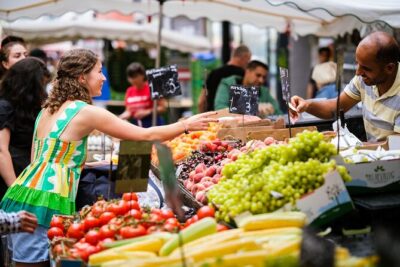 ★ 5.0Authentic Vienna Food Tour inc. lunch, street food, 3 drinksFrom $171749 reviews
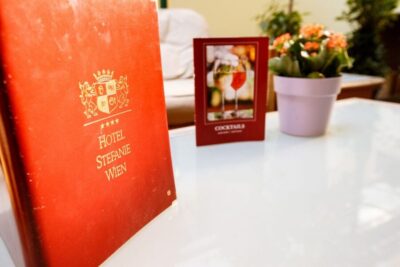 ★ 4.7Culinary Experience at Restaurant StefanieFrom $88526 reviews
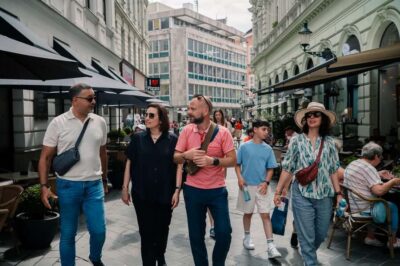 ★ 4.0From Vienna: Bratislava City Tour with Food OptionsFrom $73451 reviews
 ★ 4.7Culinary Horse-Drawn Carriage ExperienceFrom $229291 reviews
 ★ 4.6Naschmarkt Food Tasting TourFrom $76289 reviews
 ★ 4.9Guided Foodie Walking Tour with Tastings and CoffeeFrom $124246 reviews
 ★ 4.8Typical Austrian Food Tour with Coffee House VisitFrom $176159 reviews
 ★ 4.4Naschmarkt Guided Food TourFrom $81140 reviews
Browse the lists this tour appears in