

Reviewed · BELVEDERE PALACE & KLIMT TOURS
Vienna: Klimt Villa (Gustav Klimt Atelier & Museum) Ticket
Gustav Klimt’s work space still feels close. At Vienna’s Klimt Villa, you see Klimt’s preserved final studio, the thought-provoking Klimt Lost exhibition, and a garden built around the flowers that shaped his eye. I love how the setting makes the art feel personal, not distant, and how the studio details give you a clear sense of how Klimt created. One thing to consider: parts of the visit can depend on what’s reserved that day, especially the first-floor gallery.
If you’re an art lover, you’ll enjoy the physical reality of the studio itself. And if you care about history beyond the paintings, the Klimt Lost exhibition connects art to the real-world story of persecution, looting, and long restitution fights. I also like that the garden is not just decoration, it’s actively restored, with the Klimt Rose as a seasonal highlight. The main drawback is simple, plan for limited food options outside the café, since you can’t bring your own food and drinks.
A quick tip before you go: aim to build in enough time to linger in the garden. The best moments here are slow, when you’re looking up at the villa rooms and then down at the restored plantings outside.
Key things to know before you plan
- Final studio access: you can enter Klimt’s preserved final workspace and see how the reconstruction respects his original room.
- Klimt Lost exhibition: a moving look at looting and persecution, plus what happened to surviving collectors afterward.
- Klimt Rose garden timing: Damask roses that inspired his work tend to bloom mid-May to late June.
- Garden Café seasonal hours: coffee and cake are available on weekends from May to September, in fair weather.
- First-floor print gallery access not guaranteed: it’s open unless reserved for a private event.
- Audio or smartphone guidance available: English and many other languages can help you follow labels and context.
More time with Klimt's Kiss at the Belvedere
- Entry Ticket Upper Belvedere, Klimt’s Kiss & Permanent Collection★ 4.5 · 831 reviews
- Vienna: Lower Belvedere Entry Ticket & Temporary Exhibitions★ 4.1 · 275 reviews
- Vienna: Belvedere Palace Skip-the-Line Tour★ 4.9 · 197 reviews
- Skip-the-line Upper Belvedere Tickets and Guided Tour Vienna★ 4.8 · 185 reviews
Klimt Villa in Vienna: Why This Atelier Museum Pulls You In

The Vienna Klimt Villa is not trying to feel like a crowded “see everything” museum. It’s more like a creative home base from another era, where you move from art-making space to the story behind the art, and then out into the garden that shaped Klimt’s imagery.
The building itself matters. It’s a neo-baroque, two-story structure that served as Klimt’s creative sanctuary from 1911 until his death in 1918. That timeline gives your visit extra weight, because you’re not looking at a random art house. You’re stepping into the place connected to the end of his life and work, and the villa today reflects how that space was preserved and later transformed.
I also like the rhythm of the visit. You get a clear sequence: preserved studio, Klimt Lost exhibition, then garden. It prevents the whole experience from becoming a blur of rooms and labels. And the garden adds a “breathing space” between heavy history and art details.
If you’re traveling on a tight schedule, the ticket value is strong for the price point. At about $11 per person, you’re paying for access to the villa grounds, the final studio, and the Klimt Lost exhibition, plus optional guidance if you want it. The experience is rated around 4.7 out of 5, which usually reflects smooth entry and a well-put-together visit flow.
The Final Studio and Room-in-Room Construction: Where Klimt Worked

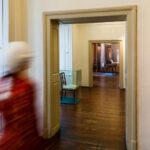
The core of the Klimt Villa ticket is the access to Gustav Klimt’s final studio. This is the part that tends to make people slow down. You’re not just looking at an artwork on a wall, you’re getting a view into the creative world that produced those famous pieces.
The studio has a special preservation story. After Klimt’s death, his work space was transformed from a ground-floor garden house into the neo-baroque villa you see today. But the key detail is the room-in-room construction method, designed to preserve Klimt’s original place of work. That means you get a reconstructed studio and reception room experience that aims to keep the original work setting intact, rather than replacing it with a generic museum set.
What you should focus on as you move through the space:
- Notice how the studio layout guides your eye. It helps you understand why Klimt’s compositions feel controlled and intentional, even when the imagery looks dreamy or symbolic.
- Pay attention to the reconstructed areas. The studio is presented as a recreated environment, but with the main goal of protecting what could be protected.
- Take your time with the reception room area. It’s easy to rush past, but it helps you picture how Klimt’s creative life connected to visitors, conversation, and art exchange.
If you’ve read about Klimt’s style, this is where it becomes less abstract. The studio setting turns style into process, you can almost sense how the physical space supported his working habits.
Klimt Lost Exhibition: Art Looting, Persecution, and Restitution Stories
After the studio, you’ll move into the Klimt Lost exhibition. This is the emotionally heavier part of the visit, and it’s also one of the most important for understanding why museums today take restitution seriously.
The exhibition sheds light on the persecution and looting of Klimt’s collectors and works during National Socialism. What makes it more than a list of tragedies is that it also follows the outcomes for surviving collectors and the long process many of them faced while fighting for restitution and justice.
This matters for you even if you only visit one art museum in Vienna. It connects what you see to the broader history of culture, power, theft, and legal recovery. Without this context, Klimt can feel like pure style. With it, you see the stakes around art ownership and the human impact behind famous names.
As you go through the labels and descriptions, plan to read at least the main interpretive text, not just skim. The exhibition is designed to be thought-provoking, and the pacing works best when you don’t treat it like a checklist.
One practical note: exhibition labels and descriptions are available in German and English, so you can choose your language without guessing.
Vienna Garden Walk: The Restored Grounds and Klimt Rose Bloom

Then you step outside. The garden at the Klimt Villa is not an afterthought, it’s part of the story. It’s continuously restored to maintain its historic charm, and it’s meant to recreate the floral surroundings that once inspired Klimt.
At the heart of the garden are Damask roses that were originally planted around 1900. Today they are lovingly cultivated and known as the Klimt Rose. If you time your visit right, this is one of those rare moments when “art inspiration” becomes literal, you can walk where the imagery came from.
Bloom timing to plan around:
- The Klimt Rose typically flowers from mid-May to late June.
Even if you miss peak bloom, the garden still gives you the right mood. The space feels designed for strolling, and it helps rebalance the visit after reading about darker history. The garden is where you can look up at the villa and then look down at the plants, connecting the art’s themes to a real setting.
Also, because the garden is under active restoration, it feels alive rather than frozen. You’ll see care and intent in the upkeep, not just old-world aesthetics.
A useful second option for the same Vienna day:
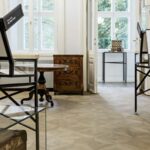
Garden Café for Coffee and Cake: Best Time to Plan a Break

One of the nicest perks is the Garden Café. It’s open on weekends from May to September in fair weather, and it’s the place to pause with Viennese coffee and cake while you’re still in the garden atmosphere.
This is a big deal for practical comfort. The villa visit includes multiple indoor stops, and then you spend time outdoors. Having a café option on site keeps you from needing to hunt for a snack afterward, which can save energy on a busy Vienna day.
Because you’re not allowed to bring food and drinks into the space, plan to use the café when it’s open. If you’re visiting outside those months or the weather turns, you might need a different plan for lunch or snacks.
First-Floor Gallery of Premium Klimt Prints: A Useful Add-On

On the upper floor, you’ll find a gallery of premium Klimt print editions, plus art reproductions tied to Viennese Modernism. This includes works by Gustav Klimt, Egon Schiele, and Oskar Kokoschka.
This is not the same thing as seeing originals in major museums, but it can be a smart add-on for your trip. It helps you connect Klimt to the broader circle of artists in his era. If you like building a personal map of Vienna’s modern art scene, this section offers a focused way to do it without turning the visit into a full day elsewhere.
One caution: access to the first-floor gallery cannot be guaranteed. The gallery is open unless it has been reserved for a private event. If this gallery matters to you, it’s worth aiming for earlier entry within the day so you have the best chance of catching everything.
Audio Guide and Language Options: How to Make Labels Actually Work

If you want help getting the most out of the studio and Klimt Lost exhibition, there are optional guidance tools.
You can use an optional audio guide in many languages, including English, French, German, Italian, Spanish, Polish, Korean, Chinese, Czech, Portuguese, Hungarian, Russian, Japanese, Greek, Romanian, Turkish, Danish, Dutch, Hindi. There’s also an optional smartphone guide service available in 13 languages.
In practice, audio guides can help you move past the “name reading” phase and into interpretation, especially in Klimt Lost, where context really affects how you process the content.
If you’re traveling with someone who prefers reading, labels are available in German and English, and the exhibition descriptions follow that same approach. Choose what fits your style, and don’t try to do everything at maximum speed.
Practical Value and Tips: Getting the Most From a $11 Ticket

This ticket gives you a compact, high-impact day in one place. At $11 per person, the value comes from access to three big pieces:
- entrance to the Klimt Villa and garden
- access to the final studio
- access to the Klimt Lost exhibition
That’s a lot for one location, especially in a city where many museums are either much more expensive or split across very different areas.
To get a smooth visit, here’s what to do:
- Start at the Klimt Villa Ticket Shop as your meeting point, then follow signs and staff directions from there.
- Give the studio time, don’t treat it like a quick photo stop.
- After Klimt Lost, switch gears and let the garden do its job. If you jump directly from heavy history into the print gallery, the whole visit can feel too heavy.
- If you’re hoping to use the Garden Café, target weekends and plan around fair weather, since its hours follow that schedule.
A small but important comfort note: you cannot bring food and drinks, so rely on the café when it’s open. You also can’t bring luggage or large bags. If you’re carrying a big daypack, keep it manageable so you can move easily.
Finally, consider timing. Since the visit is valid for 1 day and starting times depend on availability, check what time slots you can get and pick one that matches your energy levels. A calmer morning often makes the garden and studio feel more spacious.
Should You Book? Who This Klimt Villa Ticket Fits Best

Book this ticket if you want more than a quick Klimt photo. The Klimt Villa is ideal for art lovers who care about context, and for history-minded travelers who want a clear connection between masterpieces and the people affected by persecution and looting.
It’s also a great fit if you like sensory variety in a single stop. You get indoor studio atmosphere, indoor interpretive history, and then outdoor garden walking in one ticket price.
Skip or reconsider if your top priority is a guaranteed visit to the first-floor print gallery. That access can change due to private events, so you may not be able to count on it. And if you’re visiting outside the café’s open windows, plan ahead for snacks, since you can’t bring your own.
If you want a Vienna stop that feels personal, grounded, and worth the money, this is a smart pick.
FAQ

Where do I start the Klimt Villa visit?
You start at the Klimt Villa Ticket Shop. The activity ends back at the meeting point.
How long is the ticket valid?
The ticket is valid for 1 day. You can check availability for starting times.
What is included with the ticket?
Your ticket includes entrance to the Klimt Villa and its garden, plus access to Gustav Klimt’s final studio and the Klimt Lost exhibition.
Is there an audio guide and what languages are available?
An optional audio guide is available in many languages, including English, French, German, Italian, Spanish, Polish, Korean, Chinese, and more. There is also an optional smartphone guide service available in 13 languages.
Can I bring food, drinks, or large luggage?
Food and drinks are not allowed. Luggage or large bags are also not allowed.
Are pets allowed?
Pets are not allowed, but assistance dogs are allowed.
When is the Garden Café open?
The Garden Café is open on weekends from May to September in fair weather, serving coffee and cake.
Is the first-floor gallery guaranteed to be open?
The first-floor gallery is open to visitors unless it has been reserved for a private event. Access cannot be guaranteed.
More Tickets in Vienna
- Vienna: Classic Ensemble Vienna in St. Peter’s Church Ticket
★ 4.7 · 4,819 reviews - Vienna Kunsthistorisches Museum Day Admission Ticket
★ 4.6 · 3,690 reviews - Vienna: Tickets for Mozarthaus Vienna with Audio Guide
★ 4.2 · 2,344 reviews - Vienna: Skip-the-Line Entrance Ticket to the Danube Tower
★ 4.5 · 2,303 reviews - Tickets for the Albertina Exhibitions
★ 4.7 · 2,126 reviews
More Tour Reviews in Vienna
- Vienna: Vivaldi’s Four Seasons Concert in Karlskirche
★ 4.7 · 14,951 reviews - Vienna: Schönbrunn Palace & Gardens Skip-the-Line Tour
★ 4.7 · 7,739 reviews - Vienna: Light of Creation Votive Church Immersive Light Show
★ 4.8 · 6,779 reviews - Vienna Spanish Riding School Guided Tour
★ 4.7 · 6,765 reviews - Vienna: Classical Concert in the World-Famous Musikverein
★ 4.6 · 6,673 reviews
The Belvedere and Klimt, Continued
- Entry Ticket Upper Belvedere, Klimt’s Kiss & Permanent Collection
★ 4.5 · 831 reviews - Vienna: Lower Belvedere Entry Ticket & Temporary Exhibitions
★ 4.1 · 275 reviews - Vienna: Belvedere Palace Skip-the-Line Tour
★ 4.9 · 197 reviews - Skip-the-line Upper Belvedere Tickets and Guided Tour Vienna
★ 4.8 · 185 reviews - Vienna: Schönbrunn, Belvedere, Big Bus, Giant Wheel & Cruise
★ 4.1 · 78 reviews
Recently Added Around Vienna


Belvedere Palace & Klimt Tours, compared.
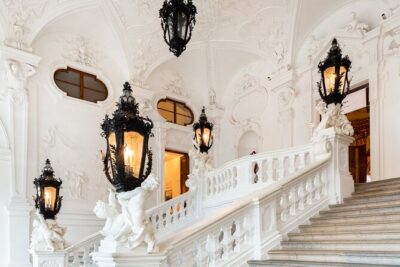 ★ 4.5Entry Ticket Upper Belvedere, Klimt’s Kiss & Permanent CollectionFrom $23831 reviews
 ★ 4.1Lower Belvedere Entry Ticket & Temporary ExhibitionsFrom $17275 reviews
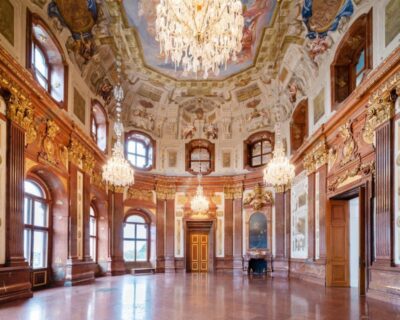 ★ 4.9Belvedere Palace Skip-the-Line TourFrom $62197 reviews
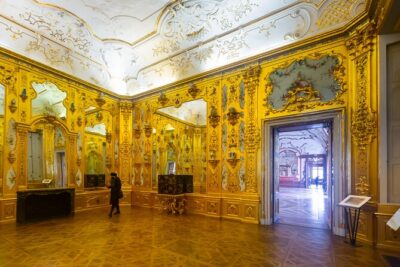 ★ 4.8Skip-the-line Upper Belvedere Tickets and Guided Tour ViennaFrom $60185 reviews
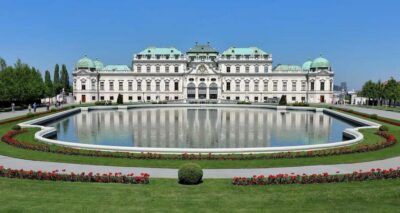 ★ 4.1Schönbrunn, Belvedere, Big Bus, Giant Wheel & CruiseFrom $9578 reviews
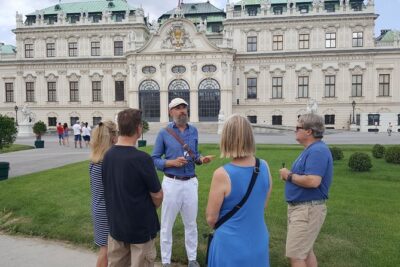 ★ 5.0Belvedere Palace and Museum TourFrom $18171 reviews
★ 5.0Skip-the-line Upper Belvedere Tickets and Guided Tour ViennaFrom $7868 reviews
★ 5.0Belvedere Palace and Museum TourFrom $18171 reviews
★ 5.0Skip-the-line Upper Belvedere Tickets and Guided Tour ViennaFrom $7868 reviews
 ★ 4.0Entry Ticket Lower Belvedere with Orangery & Palace StablesFrom $1935 reviews
Browse the lists this tour appears in