
Reviewed · BELVEDERE PALACE & KLIMT TOURS
Belvedere Palace and Museum Tour
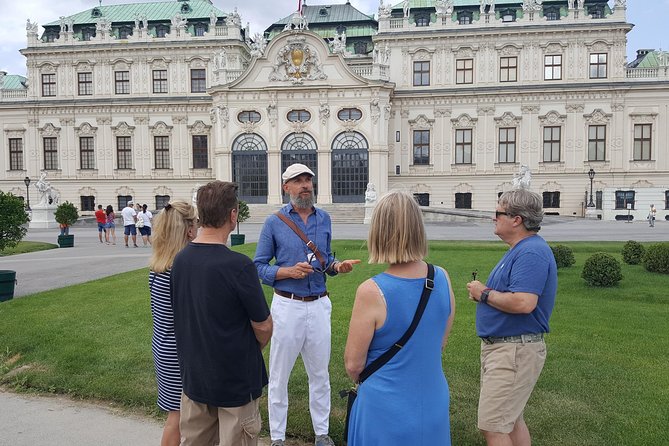
Vienna has a way of making you slow down, and Belvedere is the place to do it. I love how the tour gives you both formal gardens outdoors and a guided pass through key museum rooms, so nothing feels random. I also like that you hear art and architecture explained in plain language, with guides like Stephen, Barbara, Selin, and Annelie turning big names and big rooms into something you can actually picture.
One thing to plan for: museum entry tickets are not included, so you’ll need to budget extra on the day.
Key Points Before You Go

- Small-group feel (max 6 per tour, with the activity listing up to 8 travelers), so you can ask questions and keep a good pace
- Expert guide with art-history focus, often led by guides such as Stephen, Barbara, Selin, Regina, and Stefan
- Two worlds in one outing: the Upper Belvedere grounds and the Belvedere Museum’s major painting highlights
- Klimt is the headline, with golden-period favorites like The Kiss and Judith on the route
- Photo time built in, plus time to pause in rooms rather than racing through
- Tickets handled with help, since your guide can assist you at the start with purchasing what you still need
More time with Klimt's Kiss at the Belvedere
- Entry Ticket Upper Belvedere, Klimt’s Kiss & Permanent Collection★ 4.5 · 831 reviews
- Vienna: Lower Belvedere Entry Ticket & Temporary Exhibitions★ 4.1 · 275 reviews
- Vienna: Belvedere Palace Skip-the-Line Tour★ 4.9 · 197 reviews
- Skip-the-line Upper Belvedere Tickets and Guided Tour Vienna★ 4.8 · 185 reviews
Belvedere in 2.5 Hours: How This Tour Works in Real Life

This is a 2 hours 30 minutes, small-group tour that mixes outdoors and inside. You start at Belvedere Palace and end back at the meeting point, so you are not left stitching together transport logistics mid-visit.
The biggest practical win is pacing. Belvedere is huge, and without a guide you can end up doing what Vienna is great at tempting you into, drifting. With this tour, you get a structured walk through the grounds first, then a highlight-focused museum experience that helps you connect what you see to who made it and why it matters.
English is available, the tour runs near public transportation, and you’ll use a mobile ticket. Also, this tends to be booked ahead (about 68 days on average), so if you travel in busy months, it’s smart to lock it in earlier rather than later.
Meeting at Belvedere Palace and What to Bring
You meet at Belvedere Palace (1030 Vienna). Because there is no hotel pickup or drop-off, you’ll want to arrive at the start point ready to walk.
For a smooth visit, I’d show up with comfortable shoes. The grounds are made for strolling, and even if the weather is decent, you’ll still be on your feet. Also, since you’ll need to purchase admission separately, plan a little time for that at the beginning. One nice detail: your guide can help you get tickets right at the start of the walk.
Jardines de Belvedere: Prince Eugene’s Garden-Genius Setting
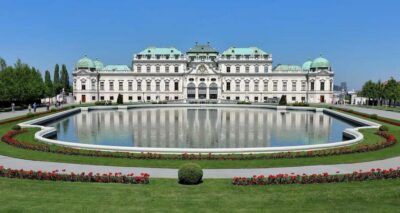
The outdoor portion is where Belvedere starts telling its story. The Belvedere complex was built in the early 18th century as a summer residence for Prince Eugene of Savoy, a commander-in-chief known for major Austrian military successes. Even if you do not care about military history, Eugene’s influence shows up in the way the whole place is composed for impact.
You are not just walking past pretty buildings. You’re moving through a designed “earthly harmony,” with the Upper Belvedere Palace as the big Baroque centerpiece and the formal gardens drawing inspiration from classical antiquity. That means you get to see how European garden design borrowed from ancient ideas, then reshaped them into a statement of power and taste.
In the reviews, guides often added layers beyond the usual postcard facts. For example, Suzanne talked about details on the grounds, including the zoo, and put it back into the larger cultural context of the estate. Others focused on the palace and surrounding structures as part of a single designed environment, not separate attractions.
What you’ll like here:
- You get a guided, meaningful walk through the setting before you ever enter the museum
- The garden portion helps you understand why Belvedere looks the way it does, instead of treating it like a backdrop
A possible drawback:
- If you expected a short, quick stroll and then nonstop museum time, the garden portion may feel substantial. One person felt the indoor part leaned heavily toward art analysis, and the timing balance is always a personal preference.
Upper Belvedere Grounds to Museum: Why the Order Matters

This tour’s sequence is smart. Doing the gardens first gives you orientation. You see the palace from outside, understand how the grounds are structured, and then when you enter the museum you recognize features and scale much faster.
It also helps with attention. Art museum rooms can feel like a blur if you arrive with no context. Starting outside creates a mental frame, so when the guide points out what you are looking at, you have a better sense of the setting, the collecting mindset, and the historical period.
If you like asking questions, this is also a good moment. The group size stays small, and guides such as Stephen and Barbara stood out in the reviews for making connections between art, architecture, and Vienna’s history. That kind of explanation lands best when your brain is already primed for the “why.”
More museum hours out of the weather
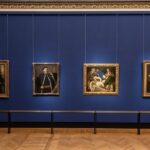
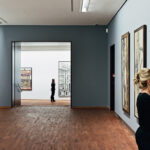
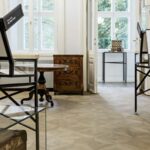
Belvedere Museum Highlights: Klimt Plus the Bigger Picture

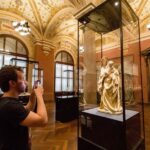
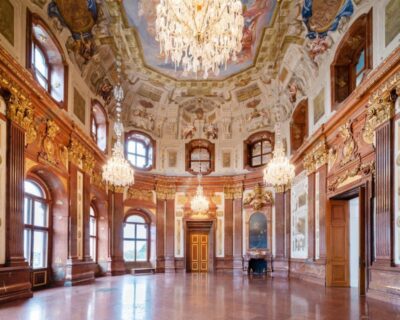
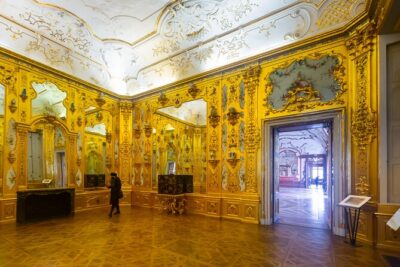
The museum stop is where the tour earns its reputation. Belvedere was one of the first public museums built to make the Habsburgs’ imperial collection accessible to the general public. That matters because it changes the vibe from private treasure to public storytelling.
Inside, you’ll focus on Austrian and international painting from the Middle Ages to the present. That is a wide range, but the tour does not try to make you absorb everything. Instead, it guides you through key highlights and uses those works to explain how artists of different periods fit together.
The Klimt section is the big draw, and the tour route reflects that. You are likely to see works from his golden period, including:
- The Kiss
- Judith
- Landscapes from the Attersee series
- Sophisticated portraits of high-society ladies
In reviews, guides like Regina and Stefan were singled out for making Klimt feel connected, not just famous. One person explicitly said they learned how the paintings relate to the broader artist connections of the time, which is exactly what you want from a guided museum visit.
Here’s the practical benefit: The Kiss can be “cool” even if you know nothing. But with a guide, you understand what makes it part of the era’s artistic language. Then you notice more when you move to adjacent works, because you are not treating the collection like isolated masterpieces.
One note from the feedback: the museum is huge. Without help, people can wander and end up taking away very little. With a guided highlight route and time to stop for photos and room-to-room viewing, you leave with a clearer sense of what you saw and why.
What You’re Paying For, and What’s Extra

The price is $181.02 per person for about 2.5 hours with a professional art historian guide. That is not cheap, but it can be good value in this category if you care about interpretation, not just ticket photos.
What you get that is hard to replicate on your own:
- A guide-led route through both the grounds and major museum areas
- Art historical context that helps Klimt and other works click into place
- A small-group format, which makes it easier to keep your questions going
What is extra:
- Museum entrance ticket fee is not included
- No hotel pickup or drop-off
- No transportation to or from attractions
So, I’d budget the tour price plus museum admission. If you already planned to visit Belvedere anyway, the main question becomes whether you value a guided art historian explanation enough to pay the premium over a self-guided visit. Based on the strong reviews and the number of guides praised by name, this is the kind of tour that tends to deliver that “now I get it” payoff.
Who This Tour Fits Best (and Who Might Want Something Else)

This tour is a great match if you:
- Love art explanations in plain language
- Want to see Klimt but also understand the bigger context around him
- Prefer a small-group experience where you can talk and ask questions
- Like history that’s tied to what you are physically looking at, palace exterior, garden design, and museum rooms
It may be less perfect if you:
- Want a purely casual, no-structure visit
- Expect equal time for everything and get upset if the museum portion emphasizes art analysis
- Prefer to spend hours in the museum at your own speed, because this is a highlight-focused route in a limited time window
For families, it often works well because the guide keeps a steady pace and makes the art less abstract. But if your group includes people who get bored with explanations, you might find a self-guided museum plan better.
Practical Tips That Make the Experience Smoother

I’d treat this as two visits stitched together. Outside you’re reading architecture and garden design. Inside you’re reading paintings and connecting them to the larger story of collecting and Austrian culture.
To get the most:
- Start by buying whatever ticket you still need as guided, then settle into the tour flow
- Wear shoes you can stand in for a museum highlight route, not just a quick loop
- If you have specific Klimt favorites, keep a short list in your head so your guide can point you toward the right rooms confidently
Also, consider timing. You’ll see better results with a guide if you arrive rested and ready to slow down a bit. This is a “look and learn” kind of outing.
Should You Book This Belvedere Palace and Museum Tour?
If you are visiting Belvedere for the first time and you want more than surface-level seeing, I think this is a smart booking. The strongest proof is how often specific guides were praised for making history and art feel alive, from Stephen’s Austrian context to Barbara’s structured explanations, and Annelie’s storytelling that made the palace and art feel connected.
Book it if:
- You want Klimt on your route and also want the context that makes Klimt stick
- You like small groups and guided direction through a big site
- You’d rather pay for a guide than spend part of your day getting lost in a museum
Skip it if:
- You only want photos and are fine going on your own
- You already plan to spend a long time in Belvedere Museum and want total freedom over pacing
In short: if you value interpretation, this tour is a strong way to get your bearings quickly and come away with a lot more than a list of famous paintings.
More Tours in Vienna
- Vienna: Schönbrunn Palace & Gardens Skip-the-Line Tour
★ 4.7 · 7,739 reviews - Vienna Spanish Riding School Guided Tour
★ 4.7 · 6,765 reviews - Vienna: Skip-the-Line Sisi Museum, Hofburg and Gardens Tour
★ 4.8 · 5,918 reviews - Vienna: Skip-the-Line Schönbrunn Palace & Gardens Tour
★ 4.8 · 5,411 reviews - Vienna: Guided Walking Tour of City Center Highlights
★ 4.7 · 4,989 reviews
More Tour Reviews in Vienna
- Vienna: Vivaldi’s Four Seasons Concert in Karlskirche
★ 4.7 · 14,951 reviews - Vienna: Schönbrunn Palace & Gardens Skip-the-Line Tour
★ 4.7 · 7,739 reviews - Vienna: Light of Creation Votive Church Immersive Light Show
★ 4.8 · 6,779 reviews - Vienna Spanish Riding School Guided Tour
★ 4.7 · 6,765 reviews - Vienna: Classical Concert in the World-Famous Musikverein
★ 4.6 · 6,673 reviews
The Belvedere and Klimt, Continued
- Entry Ticket Upper Belvedere, Klimt’s Kiss & Permanent Collection
★ 4.5 · 831 reviews - Vienna: Lower Belvedere Entry Ticket & Temporary Exhibitions
★ 4.1 · 275 reviews - Vienna: Belvedere Palace Skip-the-Line Tour
★ 4.9 · 197 reviews - Skip-the-line Upper Belvedere Tickets and Guided Tour Vienna
★ 4.8 · 185 reviews - Vienna: Schönbrunn, Belvedere, Big Bus, Giant Wheel & Cruise
★ 4.1 · 78 reviews
Recently Added Around Vienna


Belvedere Palace & Klimt Tours, compared.
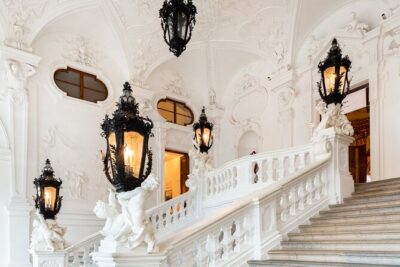 ★ 4.5Entry Ticket Upper Belvedere, Klimt’s Kiss & Permanent CollectionFrom $23831 reviews
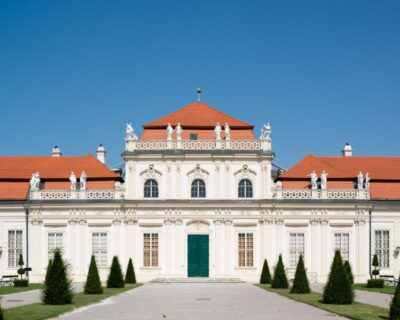 ★ 4.1Lower Belvedere Entry Ticket & Temporary ExhibitionsFrom $17275 reviews
 ★ 4.9Belvedere Palace Skip-the-Line TourFrom $62197 reviews
 ★ 4.8Skip-the-line Upper Belvedere Tickets and Guided Tour ViennaFrom $60185 reviews
 ★ 4.1Schönbrunn, Belvedere, Big Bus, Giant Wheel & CruiseFrom $9578 reviews
★ 5.0Skip-the-line Upper Belvedere Tickets and Guided Tour ViennaFrom $7868 reviews
★ 4.1Schönbrunn, Belvedere, Big Bus, Giant Wheel & CruiseFrom $9578 reviews
★ 5.0Skip-the-line Upper Belvedere Tickets and Guided Tour ViennaFrom $7868 reviews
 ★ 4.7Klimt Villa (Gustav Klimt Atelier & Museum) TicketFrom $1150 reviews
 ★ 4.0Entry Ticket Lower Belvedere with Orangery & Palace StablesFrom $1935 reviews
Browse the lists this tour appears in