

Reviewed · VIENNA OLD TOWN WALKING TOURS
Vienna: Private Guided Walking Tour
Vienna rewards slow footsteps. This private walking tour uses a state licensed guide to connect iconic buildings with the people and ideas that shaped Vienna, as you pass Michaelerplatz, the Hofburg, Heldenplatz, and Josefsplatz. I love the small private group feel, and I love how the guide turns stone, statues, and street names into stories about real figures like Empress Sisi and Josef II. One possible drawback: the style can be fairly straightforward and factual, so if you want big theatrical storytelling every minute, you may need to set expectations.
You’ll cover the center at a walking pace in about 2 to 4 hours, with photo stop time around landmarks like the State Opera area, the Albertina, and the Imperial Crypt, plus viewpoints at St. Stephen’s Cathedral. It runs in all weather, so wear weather-appropriate clothing and bring sensible shoes.
I also like that the tour is run by ViennaTour Herbert Stojaspal, and the experience has a reputation for being personable. If your guide is Herbert Stojaspal, you should expect a mix of history talk and light humor that keeps you awake for those longer stretches.
Quick highlights that make this tour work on foot

- A private group up to 10: fewer crowds, more chance to ask questions.
- Choose your story focus: you can steer the emphasis toward places you care about most.
- Michaelerplatz excavations and St. Michael’s Church: Roman and medieval layers, not just postcard views.
- Hofburg and Sisi, Heldenplatz and Austrian heroes, Josefsplatz and Josef II: one walking route, multiple “who mattered” moments.
- Albertina plus the Monument Against War and Fascism: art meets memory.
- Imperial Crypt rituals and Mozart’s death location: dark history explained with clarity.
Vienna on foot, a couple more routes
- Vienna: Guided Walking Tour of City Center Highlights★ 4.7 · 4,989 reviews
- Vienna: Vienna Central Cemetery Guided Walking Tour★ 4.8 · 3,307 reviews
- Vienna: Viennese Underworld Guided Walking Tour★ 4.7 · 1,865 reviews
- Vienna: World War II Historical Walking Tour★ 4.8 · 1,772 reviews
How private walking changes Vienna’s rhythm

Vienna is best when you slow down. This is not a rushed highlights sprint, and it’s not a packed group that turns every corner into a bottleneck. Instead, you get a private tour for your group, sized up to 10 people. That matters because Vienna rewards nuance. A guide can point out how buildings talk to each other across streets and courtyards, and you can actually hear the “why” behind the “what.”
The time window is flexible too, typically 2 to 4 hours depending on what you choose to prioritize. If you like architecture and monuments, you can spend longer on the palace and institutional buildings. If you’re more into street-level life, you can lean into stops tied to everyday history.
Getting started at Stephansplatz, then finding your bearings
The meeting point is at St. Stephan’s square, with a specific spot next to Lindt Chocolate Store (corner to Jasomirgottstrasse) for the ZIP code zone 1010. If you’re outside that zone, you’ll meet on St. Stephen’s square. The closest practical reference point is the U1/U3 Stephansplatz station exit.
From there, the tour is designed to help you orient fast. You start in the center, then work outward and back through key civic and ceremonial zones. That loop is smart. You see the “Vienna you recognize,” then you also understand how all those landmarks connect.
One practical note: the tour is not meant for people with mobility impairments. And it’s a walking tour with a few longer stretches, so if your group includes anyone who tires quickly, plan for pace breaks.
Graben to Kohlmarkt: the classic core with sharper stories

You’ll walk past Graben, one of Vienna’s signature central streets. This is the section where the guide can turn a straight line of famous buildings into a route through political symbolism.
A great example is the Baroque Pestsäule on the Graben, which connects to anecdotes about King Richard the Lionheart. That might sound random at first, but it’s exactly the kind of detail that makes city walking click. Instead of just “look at a column,” you start recognizing how legends, rulers, and religious symbolism get stitched into public space.
Then you reach Kohlmarkt and the Demel pastry shop. Even if you do not go in, it’s a useful anchor. It helps you connect Vienna’s grand history with its everyday reputation for sweets and cafés. If your group enjoys food stops, this is an easy moment to pause and decide what you want to do later.
Photo stops are part of the flow here, but the main value is the explanation. You’ll understand what you’re looking at and why it ended up where it did in the city plan.
Michaelerplatz excavations and St. Michael’s Church interior
Michaelerplatz is where this tour stops feeling like a “greatest hits list” and starts showing layers. You’ll see excavations connected to Roman and medieval history. It’s one of those rare places where the ground itself becomes a kind of exhibit.
The tour also references the interior of St. Michael’s Church. That’s a big deal because it gives you contrast to all the outside-facing monuments. You’re not only admiring exteriors, you’re also seeing how faith and power expressed themselves in space.
Two considerations:
- Photography inside is not allowed, so keep your phone ready but follow the rules.
- You’ll want to move carefully and quietly in church areas, so it stays respectful for everyone.
If your group likes history that’s visible at street level, this segment is one of the most satisfying.
Only your group, at your own tempo



Spanish Riding School and Hofburg: Sisi, ceremonies, and real power
Next you pass the Spanish Riding School. Even without focusing on interior access, it’s a powerful symbol of Vienna’s traditions. It’s one of those institutions that signals stability and culture, not just a building.
From there, you head to the Hofburg Palace. This is where the tour leans hard into the human side of imperial space. You’ll hear true stories about Empress Sisi. The guide frames her as part of a larger political and ceremonial world, which helps you avoid the trap of treating her as just a famous name.
The Hofburg also works as a “visual organizer.” Once you understand where the palace fits in Vienna’s power geography, the rest of the route makes more sense. You start seeing why certain monuments sit where they do, and why streets nearby feel important even when you’re only walking past them.
If your group is especially into Habsburg-era storytelling, this stop often becomes the anchor moment of the entire tour.
Heldenplatz and Josefsplatz: heroes and the Josef II thread
Heldenplatz is the next major emotional beat. You’ll cross the square and hear stories about Austrian heroes. The point is not just to learn names. The guide helps you see how Vienna used public spaces to shape collective identity, especially around key periods of national pride and conflict.
Then you move to Josefsplatz. Here the tour brings in Josef II, and it uses that figure to explain why certain institutions belong to the same family of ideas. You also learn about the National Library, the Spanish Riding School area connections, the Augustinian Church, and the Habsburgs in general.
This part can be surprisingly effective even if you do not consider yourself a “palace person.” It’s because Josef II and the Hofburg-era institutions are treated as a system. You don’t just memorize a date. You get a sense of how governance, knowledge, and religion were tied together in the same urban fabric.
Albertina and the Monument Against War and Fascism
You’ll pass by the Albertina Museum and hear why it matters: it’s home to the largest graphic collection in the world (as described on this tour). Even if you do not enter, that fact changes how you look at the building. You start thinking of the Albertina not as a single museum stop, but as an institution that helped shape how Vienna stored and valued art on paper.
Right nearby, you’ll also see the Monument Against War and Fascism. This is another tour-level win. It’s not only about what’s pretty. It gives you a public reminder of what Vienna and Europe went through, and why memory is part of civic space.
If you want a walking tour that balances culture with conscience, this pairing does it naturally.
State Opera area, Hotel Sacher, and the stories behind famous taste
Vienna is famous for grand stages, and the tour includes stops that point you toward the State Opera area. You’ll also hear a strange, unsettling anecdote: the architect of the State Opera committed suicide. The tour uses this story to connect architecture to the human cost and pressures that can sit behind even the most celebrated city symbols.
Then you move toward the Hotel Sacher area, where you’ll hear about where Sachertorte was invented. You’ll also learn which building previously stood on the grounds where Hotel Sacher is now. That’s a neat reminder that the city’s “famous today” often sits on older, different chapters.
This segment is good for groups who like variety. You get politics and power, then you pivot to food and branding, but it’s still tied into the city’s physical geography.
Neuer Markt, the Imperial Crypt, and Mozart’s death site
Neuer Markt is where the tour turns serious again. You’ll discover the Imperial Crypt burial rituals of the Habsburgs. The guide explains the idea behind these rituals so it does not feel like random macabre gossip.
At Neuer Markt, you’ll also hear where Mozart died. That connects Vienna’s most celebrated composer to a specific place, not just a museum label in your future itinerary.
A practical heads-up: this is still a walking tour with photo stop time, not a long, slow museum session. So if you want detailed time inside crypt spaces, you may need to plan a separate visit later. But as a guided orientation, it’s strong because it gives meaning to what you might otherwise only notice in passing.
St. Stephen’s Cathedral and Figlmüller: legends, then lunch cravings
The tour includes St. Stephen’s Cathedral with time for sightseeing and photo stops. You’ll also hear legends tied to St. Stephan. Even if you’ve seen the cathedral before, the stories can change how you read the façade and the importance of the surrounding streets.
Then comes Figlmüller, where you’ll find the famous Wiener Schnitzel. The tour does not require you to eat right then, but it’s a smart moment to think about your next meal. If you’re walking for hours, you’ll appreciate having a real food landmark in the route, not just monuments.
This section also references the old university district. That helps you widen the lens beyond emperors and churches. Vienna is also shaped by schools, ideas, and the kind of learning that feeds art, science, and civic life.
Jesuits, the Greek quarter, and St. Rupert’s oldest church
As the route continues, you shift from big imperial symbols to religious architecture and community identity. You’ll explore the Baroque church of the Jesuits. Baroque style tends to move fast visually, so a guide’s explanation helps you see what to notice instead of just feeling swept along.
Then you explore the Greek quarter. This is one of those parts that makes Vienna feel like more than one culture in one era. It shows how migration and community life helped shape the city’s neighborhoods.
You also visit mention of Vienna’s oldest church, St. Rupert’s Church. That’s a great capstone because it grounds the walk in deep time, and the tour ties it to the eventful history of Romans and Jews in Vienna.
If your group likes history that spans centuries and communities, this end section often becomes a favorite.
Blutgasse and everyday Vienna, from Franziskanerplatz to living streets
Not all the impact comes from palaces. The tour also points toward smaller places where you get a sense of how people lived and how they still live.
You’ll hear about the importance of the house at Franziskanerplatz. Then you explore Blutgasse to experience how daily life in Vienna used to work, and how it works today.
This is where you’ll appreciate the private-group format. These are the stops where questions matter. You might ask what the street name means, how the neighborhood changed, or what to look for when you return on your own.
Where this tour feels like exceptional value
Let’s talk price honestly. The tour costs $270 per group, up to 10 people. That’s not cheap if you’re traveling solo. But as soon as you spread it across friends or family, it can become one of the best ways to get a guided walking experience without the per-person jump you see on public tours.
You’re also paying for a state licensed local tour guide, plus an option for German or English. And because it’s private, you can set priorities. That can easily save time later because you’ll leave with a better sense of what you want to do on your own.
What’s not included matters for budgeting. Entrance fees are not included. Personal expenses and gratuity are also not included. So if you plan to enter museums or churches that charge, factor that in.
A small consideration: the tour does not work for everyone. If you or anyone in your group struggles with walking, you may want a different format.
Practical rules to know before you go
This tour is straightforward, but there are some ground rules:
- You should plan for all-weather walking.
- Smoking is not allowed.
- Luggage or large bags are not allowed.
- Photography inside is not allowed.
- Audio recording is not allowed.
- Skateboards and skates are not allowed.
Bring weather-appropriate clothing. For a walking tour, comfortable shoes matter more than you might think, especially in the center streets where cobbles and small corners can slow you down.
Who should book this private walking tour
This is a smart choice if you want:
- A private group experience for family, friends, or colleagues.
- A guide who connects monuments to the people behind them, including Empress Sisi and Josef II.
- A route that combines big icons (Hofburg, Heldenplatz, St. Stephen’s Cathedral) with institution stops (Albertina, National Library area) and cultural corners (Greek quarter).
It’s also a good fit if you want variety. You get imperial power, art institutions, war memory, composer lore, and food landmarks like Demel and the Wiener Schnitzel at Figlmüller.
If you want a tour that is constantly dramatic or highly theatrical, you might find it more grounded in clear facts and direct explanations. That can be a positive if you enjoy precision.
Should you book this private guided walking tour?
Yes, if your group includes 2 to 10 people and you value a guided route through Vienna’s center without the crowd pressure. The standout strength is how the tour connects recognizable landmarks with specific characters and concepts, from Sisi and Josef II to the Imperial Crypt rituals and the Albertina’s graphic collection.
If you’re traveling solo, it can still be worth it, but only if you strongly prefer a private guide over sharing a group. And if mobility is an issue, this one is not designed for it.
If your goal is to leave Vienna with a clearer mental map and a sharper sense of what you’re seeing, this tour is a solid way to spend your first hours in town.
FAQ
Where does the tour meet?
For ZIP code zone 1010, meeting is at St. Stephan’s square 8A, next to the Lindt Chocolate Store at the corner to Jasomirgottstrasse. For other ZIP code zones, the meeting point is on St. Stephen’s square.
How long is the Vienna private guided walking tour?
The duration is 2 to 4 hours, depending on the starting time you choose.
Is this a private tour?
Yes. It’s a private group tour for your party, up to 10 people.
What languages are available?
The guide offers the tour in English or German.
What is included in the price?
A state licensed local tour guide is included.
Are entrance fees included?
No. Entrance fees are not included.
Can I take photos during the tour?
Photography inside is not allowed.
Is the tour suitable for people with mobility impairments?
No, it is not suitable for people with mobility impairments.
What should I wear or bring?
Bring weather-appropriate clothing, since the tour takes place in all weather conditions.
More Tour Reviews in Vienna
- Vienna: Vivaldi’s Four Seasons Concert in Karlskirche
★ 4.7 · 14,951 reviews - Vienna: Schönbrunn Palace & Gardens Skip-the-Line Tour
★ 4.7 · 7,739 reviews - Vienna: Light of Creation Votive Church Immersive Light Show
★ 4.8 · 6,779 reviews - Vienna Spanish Riding School Guided Tour
★ 4.7 · 6,765 reviews - Vienna: Classical Concert in the World-Famous Musikverein
★ 4.6 · 6,673 reviews
Yours Alone Across Vienna
- Vienna: Private Walking Tour with a Local Guide
★ 4.6 · 1,420 reviews - Vienna: Private Walking Tour with a Guide
★ 4.7 · 962 reviews - Vienna: Wine Tasting Experience in a Private Wine Cellar
★ 4.8 · 413 reviews - Private Day Tour Trip Salzburg Hallstatt and Melk from Vienna
★ 5.0 · 388 reviews - Private Day Tour of Hallstatt and Salzburg from Vienna
★ 5.0 · 263 reviews
Vienna on Foot, Continued
- Vienna: Guided Walking Tour of City Center Highlights
★ 4.7 · 4,989 reviews - Vienna: Vienna Central Cemetery Guided Walking Tour
★ 4.8 · 3,307 reviews - Vienna: Guided Walking Tour of City Highlights & Hidden Gems
★ 4.9 · 2,180 reviews - Vienna: Viennese Underworld Guided Walking Tour
★ 4.7 · 1,865 reviews - Vienna: World War II Historical Walking Tour
★ 4.8 · 1,772 reviews
Recently Added Around Vienna


Vienna Old Town Walking Tours, compared.
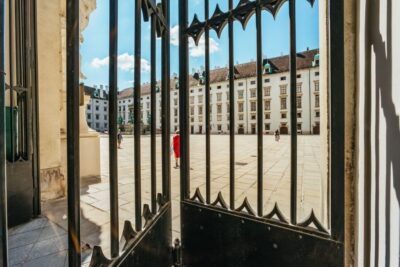 ★ 4.7Guided Walking Tour of City Center HighlightsFrom $254,989 reviews
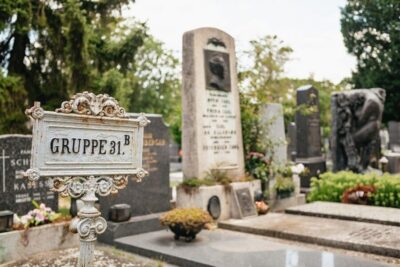 ★ 4.8Vienna Central Cemetery Guided Walking TourFrom $3353,307 reviews
 ★ 4.9Guided Walking Tour of City Highlights & Hidden GemsFrom $272,180 reviews
 ★ 4.7Viennese Underworld Guided Walking TourFrom $371,865 reviews
 ★ 4.8World War II Historical Walking TourFrom $311,772 reviews
 ★ 5.0Vienna Historic Center Small Group Walking TourFrom $721,746 reviews
 ★ 4.6Private Walking Tour with a Local GuideFrom $551,420 reviews
 ★ 4.91.5-Hour Underground Walking TourFrom $321,146 reviews
Browse the lists this tour appears in