

Reviewed · MOZART & STRAUSS CONCERTS IN VIENNA
Vienna: Johann Strauss 200th birthday anniversary exhibition
Strauss fans, this feels like a time machine. This Johann Strauss 200th birthday anniversary exhibition at the Theatermuseum in Palais Lobkowitz turns Vienna’s love of the waltz into something you can actually see, not just hear. You get a focused museum experience that follows Strauss through work, relationships, and the way his music traveled.
I love two things right away: the chance to see the original score of Die Fledermaus, and the display of original performance and exhibit objects that make the era feel real. The exhibition also leans into sound, so the place has that lively Strauss energy, not a quiet, dusty vibe.
One heads-up: parts of the show use films with music examples, and the music may not match the film timing the way you want. If you are sensitive to that kind of mismatch, it could pull you out a bit.
Key moments that make this exhibit worth your ticket

- Original Die Fledermaus score: a direct line to the music, not just reproductions.
- Objects tied to real performances: you can trace the show-and-audiences side of Strauss.
- Family, three marriages, and Russian love affairs: the exhibition organizes his personal life alongside the music.
- A world tour that reaches Boston: the exhibit shows how his fame moved beyond Vienna.
- Historical and political context on display: labels connect the music to the period around it.
More Mozart and Strauss after dark
- Vienna: Mozart Concert at the Golden Hall★ 4.6 · 3,986 reviews
- Vienna: Classical Concert at Mozart’s First House2,423 reviews
- Vienna: Mozart and Strauss Concert at Schönbrunn★ 4.5 · 2,364 reviews
- Vienna: Mythos Mozart Experience★ 4.5 · 895 reviews
Where Palais Lobkowitz sets the tone for the Strauss era

You arrive in Vienna at the Theatermuseum in Palais Lobkowitz, and the setting matters. This is the kind of address that makes you slow down, because the palace backdrop already signals what you are stepping into: a world where theater, dance, and music are part of daily social life.
The exhibition is built around Johann Strauss Sohn and the 200th anniversary of his birth, so the tone stays consistent from start to finish. Instead of jumping randomly between artifacts, you get a guided storyline through his life and work, with objects from performances and exhibits that help you connect the dots. That approach is a big reason this works as a one-day stop. You’re not hunting for meaning. The layout nudges you to understand how the music and the man fed each other.
Also, you do not need to be a hard-core Strauss scholar. The show is designed to celebrate his artistic production and music theater works while still giving enough context to make the timeline click. If you like waltzes, you will enjoy the sound and the stories. If you are less familiar, you will still leave with a clearer sense of why he became the Waltz King.
The exhibition storyline: family drama to three marriages
The heart of the exhibition is the way it organizes Strauss’s life with his music output. It is not just a timeline of dates and compositions. It also highlights his relationships, including his parents, brothers, and three wives, plus love affairs in Russia.
That personal-life focus is not there to sensationalize. It helps explain the intensity and variety of his life, which the exhibit describes as grueling. When you see the narrative placed beside the artistic work, you start to understand why his music has both polish and momentum. You get the feeling that his career was not a smooth glide, it was work, pressure, and constant public attention.
A joint curatorial approach also shows up in the way the story is told. The Theatermuseum and the Vienna Library in City Hall work together to guide you through the composer’s eventful life. Translation of that idea for you as a visitor is simple: you get interpretive context, not just objects in cases.
If you are visiting with someone who prefers stories over sheet music, this is a win. The exhibition gives enough human material to keep it engaging, while still grounding everything in Strauss’s artistic production: dance and concert music, plus music theater works.
The Die Fledermaus highlight you can see in a whole new way

The standout moment is the display of the original score of Strauss’s Die Fledermaus. Even if you have heard the operetta many times, seeing the actual score changes how you listen later. It reminds you that this is not only a set of tunes that float in the background. It was crafted, structured, and written down with intention.
What I like about this highlight is that it is not treated like a distant relic. The exhibition pairs this kind of major artifact with other objects from performances and exhibits. That combination helps you connect the creative side of Strauss to the performance world that made the pieces famous.
You also get an appreciation for the broader phenomenon: why Die Fledermaus became a signature piece, why it circulated through public entertainment, and how it held onto popularity as time moved forward. The exhibit frames Strauss as a composer whose dance and concert music stayed popular all over the world, which is exactly what you want when you are trying to understand his lasting appeal.
Practical thought: plan to linger here. You do not need to be a musician to benefit. Take your time reading what is provided, then step back and think about how the story and the music are linked in this exhibit.
Sound, film clips, and why timing matters

The exhibition leans into sound. You are meant to be carried along by lively Strauss music examples, and that is a big part of the emotional payoff. When you hear waltz energy inside a museum, it changes the experience from viewing to feeling.
There is also a film component in the mix. Based on my reading of how visitors react to the exhibit, one drawback is that the music is not synchronized with the films in the way that would make everything feel perfectly aligned. That is important for you because it affects how easy it is to follow what the exhibit is showing. If the visuals and audio feel slightly off, your brain starts doing extra work instead of enjoying the rhythm.
If you can accept that film is more of a backdrop than a perfectly timed performance, you will still likely enjoy the exhibit. The main themes stay strong: Strauss’s output, his dance and concert style, his music theater contributions, and the way historical and political context gets woven into the display.
My advice: keep a flexible mindset. If you are expecting a concert-style multimedia show where every clip matches the soundtrack exactly, you might not get that here. If you treat the films as supportive atmosphere, the music examples can still do their job.
More museum hours out of the weather
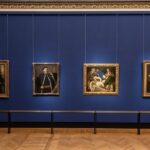
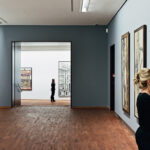


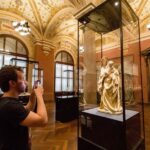
How the exhibit shows Strauss beyond Vienna, up to Boston

One of the more interesting sections follows Strauss on a world tour to Boston. This matters because it takes you out of the assumption that great music stays put. The exhibit is clearly interested in how his compositions traveled and gained global traction.
For you, that adds a layer of meaning. In Vienna, Strauss is part of the city’s musical identity, but this exhibit nudges you to see him as an international figure. The labels and objects help show that his dance and concert music, and his music theater works, were not only celebrated at home. They were export products of a kind, and they adapted to new audiences.
This is also where the idea of historical and political context comes into play. Strauss’s career is placed against the events and conditions of the period, so the story is not only artistic. It becomes cultural movement, too. When an exhibit connects a composer’s popularity to the broader environment, it helps you avoid the “music just happened” feeling.
If you like travel as much as music, this section is extra satisfying. You start imagining the same waltz energy landing in another city and taking on local life there.
What you actually get for $18, and why it feels like good value

The ticket price is $18 per person, and the experience includes admission to the Theatermuseum in Palais Lobkowitz plus the Johann Strauss anniversary exhibition. That matters because you are not paying just to look at a single room of displays. You are buying access to a museum setting and a full exhibition narrative built around multiple types of objects.
The show also comes with a built-in limitation you should know: an audio guide is not included. That is not a dealbreaker, especially if you enjoy reading labels and letting the visual and music examples carry the story. But it does affect how you should prepare. If you rely heavily on audio to decode exhibits, you might want to use your own translation tools or choose another way to interpret what is on display.
Duration is flexible in the sense that it is valid for 1 day, but starting times depend on availability. Practically, that means you can fit it into a day of palace-and-museum wandering without stressing over a fixed schedule. In one day, you can pair this with other central sights and still keep your energy.
Wheelchair accessibility is listed, so you can plan confidently if mobility needs matter.
A smooth one-day plan around the exhibition
This is a museum visit, so the best plan is the one that protects your attention. If you go in fast and skim, you will miss what makes the show special: the Die Fledermaus score and the artifact-driven storytelling.
Here is a good way to structure your day:
- Arrive with enough time to look slowly at the key objects, especially the score display.
- Give yourself at least a partial break between sections, so you do not overload on story and text.
- If films show up in the flow, decide ahead of time whether you want to focus on the audio examples or on the visuals. You can get value either way.
What I like about this exhibit as a short visit is that it has a clear narrative spine. You are not bouncing across unrelated rooms. Strauss’s personal life themes, his work across dance and concert music, and his music theater contributions are arranged so they build on each other.
If you are also doing other Vienna highlights the same day, keep your schedule realistic. Museums plus multiple major sites can turn into a blur. This one is worth a calmer pace so the sound and the artifacts land the way the exhibit intends.
Who should book this Johann Strauss anniversary exhibition

You should book if:
- You love Viennese music culture and want a museum-style way to connect to it.
- You are curious about Strauss beyond the waltz and want a story that includes family, marriages, and international fame.
- You like seeing primary artifacts, especially the original score of Die Fledermaus.
You might skip or adjust expectations if:
- You want a tightly synchronized multimedia show where film and music match perfectly moment to moment.
- You prefer experiences with an audio guide included.
Best match: music lovers, theater fans, and anyone who wants a compact but meaningful way to understand why Strauss became such a public phenomenon.
Should you book it?

Yes, I think you should book this exhibition if you are spending time in central Vienna and you enjoy museum storytelling that uses real performance objects. For $18, the value comes from the included museum entry plus a focused show with a major artifact highlight, the original Die Fledermaus score, and a clear narrative connecting the man to the music.
The only real reason to hesitate is the multimedia synchronization issue. If you can tolerate films acting as support rather than perfect timing, you will likely walk away satisfied. If that kind of mismatch bugs you, you might still enjoy the objects and the story, but keep your expectations grounded.
FAQ
Where is the Johann Strauss 200th birthday anniversary exhibition located?
It’s at the Theatermuseum in Palais Lobkowitz in Vienna, Austria.
How much is the ticket?
The price is $18 per person.
How long is the experience valid?
The ticket is valid for 1 day. Starting times depend on availability.
What is included with the ticket?
The ticket includes admission to the Theatermuseum in Palais Lobkowitz and a visit to the Johann Strauss anniversary exhibition.
Is an audio guide included?
No, an audio guide is not included.
What kind of highlights can I expect?
You can see impressive objects about Strauss’s life and work, including the original score of Die Fledermaus, plus music examples and displays tied to his performances and world tour, including Boston.
Is the experience wheelchair accessible?
Yes, wheelchair accessibility is listed.
Is there a cancellation policy?
Free cancellation is available up to 24 hours in advance for a full refund.
Vienna Under a Roof: More Museums
- Vienna: Skip-the-Line Sisi Museum, Hofburg and Gardens Tour
★ 4.8 · 5,918 reviews - Vienna Kunsthistorisches Museum Day Admission Ticket
★ 4.6 · 3,690 reviews - Tickets for the Albertina Exhibitions
★ 4.7 · 2,126 reviews - Sigmund Freud Museum Ticket
★ 4.6 · 1,668 reviews - Vienna: St. Stephen’s Cathedral & Dom Museum Wien Tickets
★ 4.5 · 1,652 reviews
More Tour Reviews in Vienna
- Vienna: Vivaldi’s Four Seasons Concert in Karlskirche
★ 4.7 · 14,951 reviews - Vienna: Schönbrunn Palace & Gardens Skip-the-Line Tour
★ 4.7 · 7,739 reviews - Vienna: Light of Creation Votive Church Immersive Light Show
★ 4.8 · 6,779 reviews - Vienna Spanish Riding School Guided Tour
★ 4.7 · 6,765 reviews - Vienna: Classical Concert in the World-Famous Musikverein
★ 4.6 · 6,673 reviews
More Mozart and Strauss Evenings
- Vienna: Mozart Concert at the Golden Hall
★ 4.6 · 3,986 reviews - Vienna: Classical Concert at Mozart’s First House
2,423 reviews - Vienna: Mozart and Strauss Concert at Schönbrunn
★ 4.5 · 2,364 reviews - Vienna: Mythos Mozart Experience
★ 4.5 · 895 reviews - Vienna Mozart Concert in Historical Costumes at the Musikverein
★ 4.5 · 888 reviews
Recently Added Around Vienna


Mozart & Strauss Concerts in Vienna, compared.
 ★ 4.6Mozart Concert at the Golden HallFrom $783,986 reviews
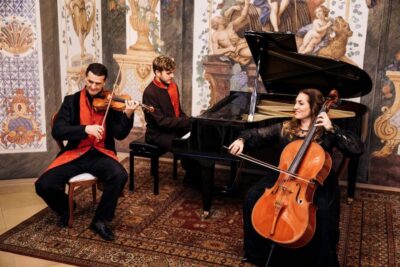 Classical Concert at Mozart’s First House2,423 reviews
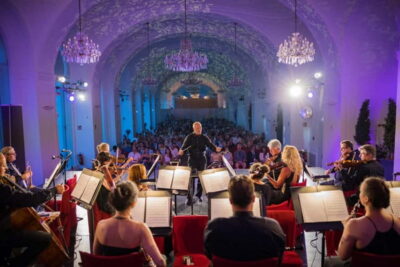 ★ 4.5Mozart and Strauss Concert at SchönbrunnFrom $632,364 reviews
 ★ 4.5Mythos Mozart ExperienceFrom $27895 reviews
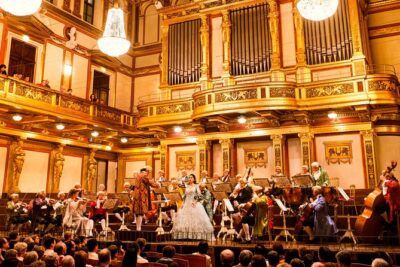 ★ 4.5Vienna Mozart Concert in Historical Costumes at the MusikvereinFrom $83888 reviews
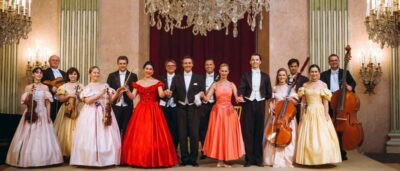 ★ 4.5Mozart & Strauss Classical Concert at Börse PalaceFrom $55810 reviews
 ★ 4.5Johann Strauss Dinner Show at the PraterFrom $93730 reviews
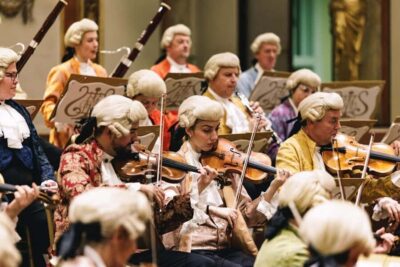 ★ 4.6Mozart Concert at the Vienna State OperaFrom $81461 reviews
Browse the lists this tour appears in