

Reviewed · VIENNA OLD TOWN WALKING TOURS
Vienna: Historical Walking Tour – Hitler and the 1900s
Hitler and 1900s Vienna is uncomfortable, and useful. This 2-hour walk through key spots like Karlsplatz and MuseumsQuartier connects Adolf Hitler’s early time in Vienna with the political and cultural changes that shaped the city in the early 1900s.
I love how the guide turns street corners into cause-and-effect stories, not just dates. I also love the way the tour threads art and big ideas together, from the era of Klimt and Wagner to Vienna’s shift from imperial power to a modern metropolis.
One possible drawback: the subject is heavy and controversial, so if you want a light, feel-good walk, this may not be your best match.
Key things I’d prioritize on this tour

- Following early footsteps through central Vienna, with the guide explaining how the city influenced Hitler’s later life.
- Karlsplatz and MuseumsQuartier as anchors, showing the move from Habsburg-era Vienna toward a modern city.
- Hidden spots and side stories that help you see more than the standard photo stops.
- Strong English narration, with guides named in feedback such as Joseph and Cristina for their storytelling.
- Art and politics together, linking the era’s cultural revolution to the city’s public life.
Vienna on foot, a couple more routes
- Vienna: Guided Walking Tour of City Center Highlights★ 4.7 · 4,989 reviews
- Vienna: Vienna Central Cemetery Guided Walking Tour★ 4.8 · 3,307 reviews
- Vienna: Viennese Underworld Guided Walking Tour★ 4.7 · 1,865 reviews
- Vienna: World War II Historical Walking Tour★ 4.8 · 1,772 reviews
Why this Hitler-era walk fits Vienna (even when it’s hard)

Vienna has a talent for letting history sit in plain sight. This tour uses that talent, but it doesn’t sugarcoat the topic. You’ll follow Adolf Hitler’s early life in Vienna, then keep walking through the city’s early-1900s turning points, when political tension and cultural change were both accelerating.
What I find valuable is the structure. The tour isn’t only about one person. It treats the city as a factor, showing how Vienna’s evolution from Habsburg Empire roots to a modern metropolis changed the atmosphere around people, ideas, and public life.
And yes, it can feel uncomfortable. Still, I’d argue that learning how a place shaped events is part of being a responsible visitor, not just a curious tourist.
Price and what you really get for $22
At $22 per person for a 2-hour walking tour, you’re paying for two things: time with an expert local guide and a guided route through historic sites. This isn’t a museum entry tour where you’re paying mostly for access. It’s built around interpretation, insider context, and recommendations to help you keep exploring after the walk.
For the cost, the value comes from how the tour blends eras. You’re not just hearing about one decade. You’re moving through Vienna’s transformation while also getting the “why it mattered” behind the stories.
Also, you get instant booking confirmation and a reserved spot with your booking. That matters if you’re trying to plan around limited time in Vienna.
Finding the yellow umbrella and timing your 2-hour walk

This tour starts at a very clear meeting point: look out for the YELLOW PRIME TOURS UMBRELLA. The walk ends back at the meeting point, so you’re not stuck figuring out a new end-of-route.
The duration is 2 hours, and the listing notes multiple starting times, so you’ll want to check availability for the slot that best fits your day. Because it’s a straight walking format, I suggest planning other big plans outside that window, like dining or a longer museum visit after you’ve gotten your orientation.
English is the live guide language. If you like tours where you can ask questions and follow a narrative in real time, this format is usually a good match.
Hitler’s early Vienna, explained through the city’s changes
The core concept is simple: you follow Hitler’s early footsteps in Vienna and connect them to what was happening in the city around him. Your guide doesn’t treat the subject like an isolated biography. Instead, you’ll hear how Vienna in the early 1900s provided a backdrop that influenced later life.
That framing is what makes the tour worth your attention. When you walk the same streets, you start to understand how environments matter. You also gain a clearer picture of the period’s political and cultural shifts, which is often what gets lost when people only read short summaries.
The tour also touches Vienna’s architectural and historical events as you move from stop to stop. I like this approach because it keeps you grounded in place. You’re not just hearing theory. You’re looking at the city while the guide explains why it changed.
Vienna at walking pace, more routes
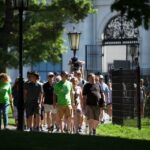


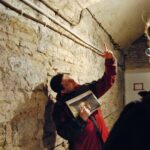

Karlsplatz to MuseumsQuartier: seeing the old empire to modern Vienna shift
Two stops are explicitly called out: Karlsplatz and MuseumsQuartier. These aren’t random names. They work well as anchors for the tour’s larger theme: Vienna’s evolution from its imperial roots toward a modern metropolis.
At Karlsplatz, the guide can help you connect street-level Vienna with the larger historical timeline, the kind of context you miss if you only pass through quickly. It’s the sort of location where the city feels layered, like you’re walking through multiple eras at once.
Then you move toward MuseumsQuartier. Even if you never go inside a museum during the walk, the area’s role in the modern city helps you understand the transition the guide keeps returning to. This is one of those places where today’s cultural scene echoes the past, and the early-1900s artistic revolution becomes easier to visualize as a living thread, not just a textbook chapter.
You’ll also cover other iconic locations along the way. The tour’s promise is that you’ll see Vienna’s transformation across architecture and public life, not only the famous monuments.
Art revolution meets public life: Klimt to Wagner
A big promise of this experience is the blend of history and culture, especially the artistic revolution from Klimt to Wagner. I like that angle because it gives you more than a political storyline. Vienna’s identity wasn’t only shaped by power and conflict. It was also shaped by creative revolutions, debates, and new ways of thinking.
So as you walk, the guide uses those references to help you understand the broader atmosphere of early 1900s Vienna. You start to see how art movements can reflect social tensions and ambition at the same time.
If you’re the type of person who thinks history is just kings and wars, this part can shift your perspective. It nudges you to pay attention to culture as a real force that affects how people see themselves and their world.
Hidden spots and side stories you can’t DIY in 2 hours
Walking tours win when they add friction to your assumptions. This one does that by steering you toward less obvious stories and spots beyond the typical tourist routes.
The “hidden” part here is less about secret alleyways and more about noticing what you might overlook without a guide. The guide’s job is to point out the meaning behind what you’re seeing, then tie it to the tour theme: Hitler’s early years and Vienna’s transition in the early 1900s.
This is where guide skill matters. In feedback you can see a pattern of praise for storytelling and anecdote style. Guides such as Joseph and Cristina are specifically highlighted for being well spoken and for filling the walk with stories you could listen to for longer than the 2-hour limit. Others are mentioned as well, including Ángeles and Mia, for knowledgeable explanations.
Even with a tight schedule, that kind of communication quality makes a difference. It helps the tour feel like a guided experience, not a playlist of landmarks.
How to get the most from the walk (without burning out)
This is a 2-hour, on-foot format. That means your comfort and attention matter as much as the route. I recommend you wear comfortable shoes and bring a light layer, because Vienna weather can turn during the day.
Because the topic is controversial and politically charged, you should also mentally prepare for a walk that includes difficult themes. It’s not built for avoidance. If you want a purely cheerful overview of Vienna, consider a different tour. If you want context and are okay with discomfort, you’ll likely feel more satisfied after.
One more practical tip: arrive a few minutes early and start with a calm mindset. When a guide is sharing dense context, being fully present helps you connect the dots faster.
Who this tour is for, and who should skip it
I think this is a strong pick if you want more than surface sightseeing. It’s best for people who like historical context tied directly to place, and who enjoy hearing how a city’s atmosphere can shape major events.
It’s also a good choice if you’re interested in the early-1900s art story in Vienna. The Klimt and Wagner thread gives you a cultural lens alongside the political narrative.
But skip it if you strongly prefer upbeat themes or if you know you’re not comfortable with content focused on Hitler. Even if the guide keeps the tone informative, the subject matter itself will set the emotional temperature.
On the practical side, it’s listed as wheelchair accessible, so it’s worth considering if mobility is a concern.
What’s not included, and how to plan around it
The tour does not include food or drinks, and it does not include entrance fees to museums or attractions after the tour. It also doesn’t include transportation to or from the meeting point.
So I’d plan your day like this:
- Eat or grab a coffee before you start, so you don’t lose time during the walk.
- If you want museum time, look at a separate stop after the tour, based on your interests.
- Keep your transit time flexible since your end point is back at the meeting location, which is convenient, but still part of your schedule.
The guide does provide insider tips and recommendations at no extra cost. I’d take those suggestions seriously because they’re usually tailored to what you just saw on the route.
Should you book this Vienna Hitler and the 1900s walking tour?
Book it if you want a guided walk that connects early Hitler’s Vienna to the city’s early-1900s political and cultural shifts, and you like learning through real streets and named stops like Karlsplatz and MuseumsQuartier. The price is reasonable for an expert guide-led 2-hour narrative, and the feedback pattern points to strong English explanations from guides such as Joseph and Cristina.
Don’t book it if you’re looking for a light, purely aesthetic tour. The topic is controversial and heavy by nature, and the tour leans into that rather than avoiding it.
If you’re on the fence, here’s the decision shortcut I’d use: if you can handle difficult history in an educational setting, and you want Vienna context beyond the usual highlights, this walk is a smart use of two hours. If not, save your energy for a different kind of Vienna day.
More Tours in Vienna
- Vienna: Schönbrunn Palace & Gardens Skip-the-Line Tour
★ 4.7 · 7,739 reviews - Vienna Spanish Riding School Guided Tour
★ 4.7 · 6,765 reviews - Vienna: Skip-the-Line Sisi Museum, Hofburg and Gardens Tour
★ 4.8 · 5,918 reviews - Vienna: Skip-the-Line Schönbrunn Palace & Gardens Tour
★ 4.8 · 5,411 reviews - Vienna: Guided Walking Tour of City Center Highlights
★ 4.7 · 4,989 reviews
More Tour Reviews in Vienna
- Vienna: Vivaldi’s Four Seasons Concert in Karlskirche
★ 4.7 · 14,951 reviews - Vienna: Schönbrunn Palace & Gardens Skip-the-Line Tour
★ 4.7 · 7,739 reviews - Vienna: Light of Creation Votive Church Immersive Light Show
★ 4.8 · 6,779 reviews - Vienna Spanish Riding School Guided Tour
★ 4.7 · 6,765 reviews - Vienna: Classical Concert in the World-Famous Musikverein
★ 4.6 · 6,673 reviews
Vienna on Foot, Continued
- Vienna: Guided Walking Tour of City Center Highlights
★ 4.7 · 4,989 reviews - Vienna: Vienna Central Cemetery Guided Walking Tour
★ 4.8 · 3,307 reviews - Vienna: Guided Walking Tour of City Highlights & Hidden Gems
★ 4.9 · 2,180 reviews - Vienna: Viennese Underworld Guided Walking Tour
★ 4.7 · 1,865 reviews - Vienna: World War II Historical Walking Tour
★ 4.8 · 1,772 reviews
Recently Added Around Vienna


Vienna Old Town Walking Tours, compared.
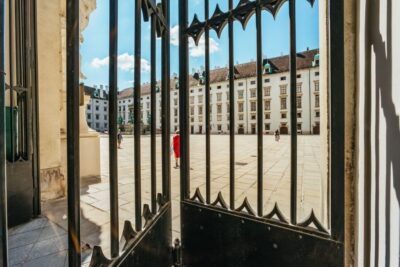 ★ 4.7Guided Walking Tour of City Center HighlightsFrom $254,989 reviews
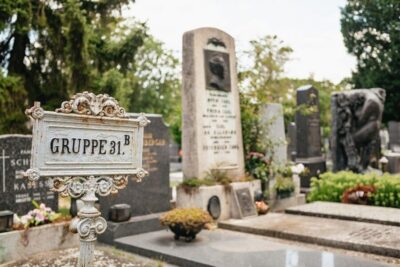 ★ 4.8Vienna Central Cemetery Guided Walking TourFrom $3353,307 reviews
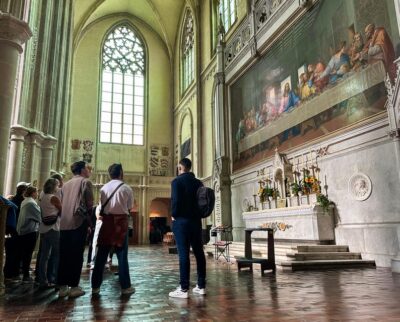 ★ 4.9Guided Walking Tour of City Highlights & Hidden GemsFrom $272,180 reviews
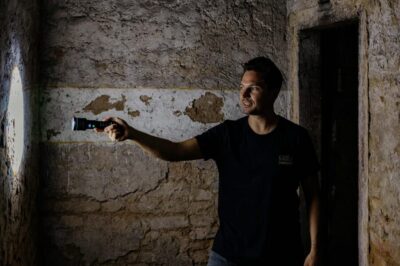 ★ 4.7Viennese Underworld Guided Walking TourFrom $371,865 reviews
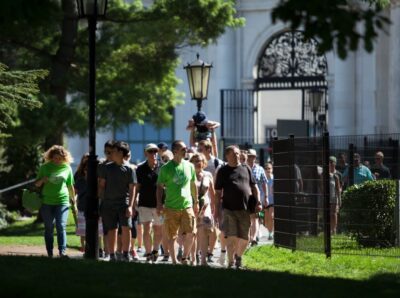 ★ 4.8World War II Historical Walking TourFrom $311,772 reviews
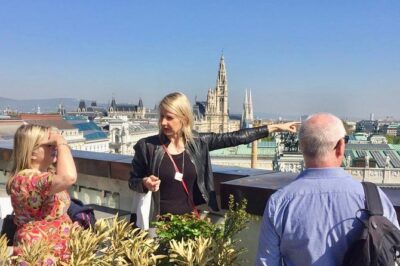 ★ 5.0Vienna Historic Center Small Group Walking TourFrom $721,746 reviews
 ★ 4.6Private Walking Tour with a Local GuideFrom $551,420 reviews
 ★ 4.91.5-Hour Underground Walking TourFrom $321,146 reviews
Browse the lists this tour appears in