

Reviewed · VIENNA HEURIGEN & WINE TAVERN TOURS
Vienna: Austrian Wine Tasting
Six Austrian wines, one very friendly host.
This Vienna wine tasting at Weinshop Weinrudi is built for people who want real technique, not just sipping and nodding. I like how the session walks you through Austrian wine basics while you taste Wien, Wachau, and Kremstal styles side by side. One thing to consider is that it is an alcohol-focused tasting, so it is not a fit if you cannot or do not want to drink.
What I especially like is the small group size, capped at 8 people, which keeps the questions coming. I also love the way the host, Rudi, connects the science of tasting with practical guidance, like how to recognize flavor and structure as you go.
The only real drawback is timing sensitivity. A small number of past participants reported an unexpected closure, so I recommend a quick day-of check once you have your plans on the ground.
Key things to know before you go
- Small group at Weinshop Weinrudi, limited to 8 participants for a calmer, question-friendly session
- Six generous wine tastings plus a welcome Frizzante, bread, snacks, and water
- Presented by a Wine Academy graduate, with an Austrian wine and region overview in about 2 hours
- Route through Austria’s signature varieties, including Gemischter Satz DAC, Grüner Veltliner, and Riesling
- English and German live guidance, so you get instruction you can actually use
Up to the Heurigen for another glass
- Wachau Valley Wine Tasting Bike Tour from Vienna★ 5.0 · 829 reviews
- Wachau Valley Small-Group Tour and Wine Tasting from Vienna★ 5.0 · 540 reviews
- From Vienna: Half-day Countryside Wine Tour with Meal★ 4.7 · 526 reviews
- Vienna: Wine Tasting Experience in a Private Wine Cellar★ 4.8 · 413 reviews
A Small-Group Vienna Wine Lesson in Weinrudi

Vienna has plenty of great bars and wine shops, but this tasting is different because it is structured. You are not left to guess what you are tasting. Instead, you learn the rhythm of tasting, then apply it immediately with each pour.
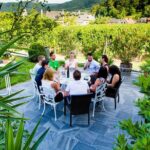
The heart of it is the Weinshop Weinrudi setting in Vienna’s second district. You get a welcome Frizzante first, then the session turns into a guided walkthrough of Austrian wine styles. With a group size capped at 8, you can ask questions without shouting over people.
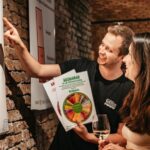
The vibe is relaxed in the best way. Based on what people describe, Rudi keeps things warm and conversational, and he adjusts when you mention other wine regions you have visited. That flexibility is a big part of why this feels like a lesson you look forward to, not a scripted lecture.
Where to Start on Bruno-Marek-Allee, and Why the Location Helps

Your meeting point is simple: Weinshop Weinrudi, Bruno-Marek-Allee 11 in the second district. You start and finish right there, so you can plan the rest of your day around it without transportation headaches.
This location is also handy because it places you near major Vienna sights, including the Prater area and the Giant Ferris Wheel. If you like to pair activities, you can do the tasting earlier in the day and still have time to wander the Prater later. Or you can do the tasting as a calm, indoor reset after sightseeing.
One practical note: because it is in a shop, bring a bit of comfort with standing and moving around in a small space. It is wheelchair accessible, but the tasting itself is still in a compact retail environment. If you need extra room to move, it is worth planning to arrive a few minutes early so they can guide you.
What the 1.5- to 2-Hour Tasting Feels Like
The tasting is built around an approximately 2-hour presentation. You get a guided explanation of Austrian wine, including flagship varieties and how to think like a taster. Then you move through the tasting rounds with instruction tied directly to what is in your glass.
Rudi’s approach, as described by people who loved it, pairs technique with real-world context. You will not just get a list of grapes and regions. You learn how to taste and how to connect what you smell and taste to what a winemaker is doing.
A useful detail for planning: the tasting may run in stages. One participant described starting with several wines and then finishing with another pour after a transition to another room. That is not something to stress about, but it explains why the experience feels paced rather than rushed.
How the Session Builds Wine Confidence, Not Confusion
If you have ever done a wine tour where you ended up Googling what you drank later, this is the opposite. The session aims to teach tasting technique while you drink, which makes the experience stick.
You start with the welcome drink, a Frizzante, which sets the tone. It also gives you an easy baseline flavor profile early, so you can later notice how still wines differ in acidity and texture. Then the guided talk ties Austrian wine styles to the practical act of tasting.
As the rounds continue, you should feel your “wine vocabulary” grow. You will likely start recognizing patterns in aroma, acidity, and fruit character. Even if you consider yourself a total beginner, this format gives you a chance to learn without embarrassment, because the instruction is tied to what you are tasting right now.
More Viennese plates and glasses to line up

Vienna, Wachau, and Kremstal, Reading the Map in Your Glass
One of the most valuable parts is the region overview, because Austrian wine can feel confusing until you understand what each area is known for. The tasting offers a succinct, focused explanation of Austrian wine regions, then backs it up with wines that represent those areas.
Think of it like learning a small travel map. Instead of memorizing everything, you learn a few key coordinates that you will actually use later. When you see bottles after the tasting, you will be more likely to connect a name to a style and to what you might expect in the glass.
The session specifically references wines tied to:
- Vienna, including Wiener Gemischter Satz DAC
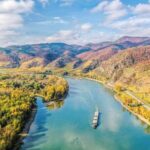
- Wachau, including Grüner Veltliner from a named vineyard
- Kremstal, including Riesling
That sequence is smart. It takes you from the local identity of Vienna to the broader landscape of Austria’s best-known white wine areas.
What You Taste: The Flagship Labels to Look for Later
This tasting is built around six quality wines from leading, award-winning winemakers. Even if you do not buy bottles, tasting through this range helps you understand why Austrian wines have loyal followings.
A few examples of what you may drink, based on the session description, include:
- Wiener Gemischter Satz DAC from Vienna
- Grüner Veltliner Ried Pichl Point from the Wachau
- Riesling Handwerk from the Kremstal
Here is what these labels practically mean for you. Vienna Gemischter Satz is often about complexity and local character, with blends that can feel more layered than a single-grape wine. Grüner Veltliner from the Wachau, especially from a named site, tends to show a clearer sense of place and structure. Riesling from Kremstal usually highlights aromatic precision and a clean, bright edge.
If you have strong preferences, you will also learn fast where they come from. You might find you prefer certain acid levels, or you might discover you enjoy wines with more spice or more mineral character. That is the payoff of doing this in a group with guided comparisons.
Food, Water, and Why Bread and Snacks Matter
You are not just handed wine glasses and left to fend for yourself. The tasting includes bread, snacks, and water, which makes a big difference in how enjoyable the session feels.
Bread and snacks do two things at once. First, they keep your tasting grounded, so you can focus on aromas and flavors rather than trying to outrun hunger. Second, they help the palate reset as you move through multiple wines.
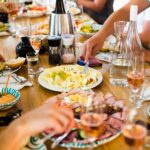
People also describe a platter with bread, meats, and cheese paired alongside the wines. That kind of pairing tends to make the tasting feel more social and more complete, and it supports the idea that this is not a stingy pour-and-go. If you are doing the tasting before a meal, the snacks can act as a bridge.
And yes, expect to taste enough that you may feel it. One person said they could hardly walk home afterward, which lines up with the idea of generous pours. If you plan to go straight from the tasting to something later, consider an easy pace afterward.
Price and Value: Is 81 Per Person Worth It?
At $81 per person, this is not the cheapest wine activity in Vienna, but the structure makes it feel fair. You get six wine tastings, a welcome Frizzante, and food support like bread, snacks, and water. Most importantly, you get a guided session meant to teach you tasting technique and explain Austrian regions in plain terms.
The value becomes clearer when you think about what you are paying for. You are not just paying for wine, you are paying for the ability to taste with direction. That kind of help often makes it easier to remember what you liked and to understand why.
Small-group format matters here too. When you are limited to 8 participants, you get more attention per person. The session is also offered in English and German, which matters if you want the instruction rather than just following along with hand gestures.
Who should do it? If you enjoy learning something small and practical during a trip, this fits. If you only want a quick sip without any wine-nerd talk, you might find the instruction-heavy format a little much.
Who This Tasting Is Best For, and Who Should Skip

This tasting is designed for adults, and the format clearly points in that direction. It is not suitable for children under 18, and it is also listed as not suitable for pregnant women. It is also not meant for people with a cold.
If you are the kind of traveler who likes a controlled, guided activity during a busy sightseeing day, you will probably enjoy it. If you prefer hands-on learning, you are in the right place. The tasting format also works well for couples and small friend groups because the group size stays intimate.
If you are sensitive to alcohol, or you know you are going to struggle with multiple tastings, consider what kind of experience you want. You can still enjoy wine stories and region context, but this specific event is built around sampling.
Tips to Plan Your Vienna Day Around This Wine Shop
Because the experience starts at the shop and finishes there, your day can be simple. I like pairing it with nearby sights in the Prater area, since you are not crossing the city on busy transit during your tasting time.
A few practical tips:
- Aim to arrive a few minutes early so you can get settled before the first pour.
- Wear something comfortable. You may stand at least part of the time.
- Go into it ready to learn a little. The tasting technique is the reason this works.
- If you want to buy wine afterward, ask what they recommend based on what you liked during the six tastings.
If you are traveling with mobility needs, it is listed as wheelchair accessible, which is a good sign. Still, confirm what space looks like inside once you arrive, since a shop environment can have its own constraints.
The One Real Caution I’d Take
For most people, this is a high-confidence experience. The overall pattern is friendly hosts, strong instruction, and wines that get poured generously. But I did see at least one account of a cancellation where people said they were not informed and had to return after finding the shop closed.
I do not want to overreact to one report, but I do think it is wise to add a tiny safeguard. Once you are in Vienna and before you head out, do a quick check that the shop is operating as planned. It costs almost nothing and can save a lot of frustration.
Should You Book Weinrudi for Austrian Wine Tasting in Vienna?
I would book this if you want a high-value, small-group wine session that teaches you how to taste. The blend of region education and six quality wines, plus included bread, snacks, and water, makes it feel like more than a simple tasting.
Choose it especially if you have never tried Austrian wines and want a guided start. The inclusion of Wiener Gemischter Satz DAC, Grüner Veltliner from the Wachau, and Riesling from Kremstal gives you a strong sampling of Austria’s signature grapes and styles.
I would think twice if you want a quick stop, zero instruction, or if alcohol is a problem for you. And if you are the type who hates any chance of wasted travel time, do that quick day-of check I mentioned, then relax.
FAQ
How many wines are included in the tasting?
You get six glasses of wine tasting included in the price.
Where is the meeting point?
Meet directly at the wine shop Weinrudi, Bruno-Marek-Allee 11, in Vienna’s second district.
How long is the experience?
The presentation runs for about 2 hours, and the tasting portion is described as around 1.5 hours.
What is included in the price?
The price includes a welcome drink (Frizzante), six wine tastings, and bread, snacks, and water.
What languages are the tour guide speaking?
The live guide offers instruction in English and German.
Is free cancellation available?
Yes, you can cancel up to 24 hours in advance for a full refund.
Vienna, Plate and Glass
- Vienna for Food Lovers: Cafés, Markets & Austrian Cuisine
★ 5.0 · 1,063 reviews - Wachau Valley Wine Tasting Bike Tour from Vienna
★ 5.0 · 829 reviews - Vienna: Gerstner KuK Hofzuckerbäcker Baking Show & Tasting
★ 4.8 · 823 reviews - Authentic Vienna Food Tour inc. lunch, street food, 3 drinks
★ 5.0 · 749 reviews - Wachau Valley Small-Group Tour and Wine Tasting from Vienna
★ 5.0 · 540 reviews
More Tour Reviews in Vienna
- Vienna: Vivaldi’s Four Seasons Concert in Karlskirche
★ 4.7 · 14,951 reviews - Vienna: Schönbrunn Palace & Gardens Skip-the-Line Tour
★ 4.7 · 7,739 reviews - Vienna: Light of Creation Votive Church Immersive Light Show
★ 4.8 · 6,779 reviews - Vienna Spanish Riding School Guided Tour
★ 4.7 · 6,765 reviews - Vienna: Classical Concert in the World-Famous Musikverein
★ 4.6 · 6,673 reviews
Up to the Heurigen
- Wachau Valley Wine Tasting Bike Tour from Vienna
★ 5.0 · 829 reviews - Countryside Half Day Wine Tour near Vienna
★ 5.0 · 545 reviews - Wachau Valley Small-Group Tour and Wine Tasting from Vienna
★ 5.0 · 540 reviews - From Vienna: Half-day Countryside Wine Tour with Meal
★ 4.7 · 526 reviews - Vienna: Wine Tasting Experience in a Private Wine Cellar
★ 4.8 · 413 reviews
Recently Added Around Vienna


Vienna Heurigen & Wine Tavern Tours, compared.
 ★ 5.0Wachau Valley Wine Tasting Bike Tour from ViennaFrom $163829 reviews
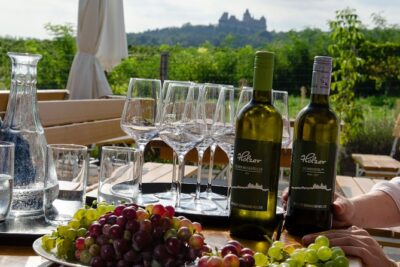 ★ 5.0Countryside Half Day Wine Tour near ViennaFrom $145545 reviews
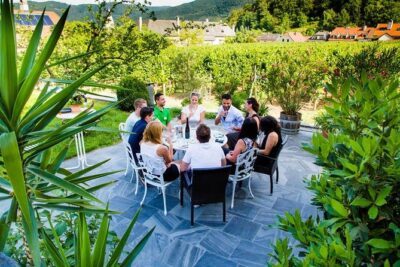 ★ 5.0Wachau Valley Small-Group Tour and Wine Tasting from ViennaFrom $230540 reviews
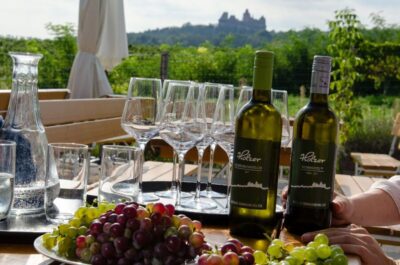 ★ 4.7From Vienna: Half-day Countryside Wine Tour with MealFrom $141526 reviews
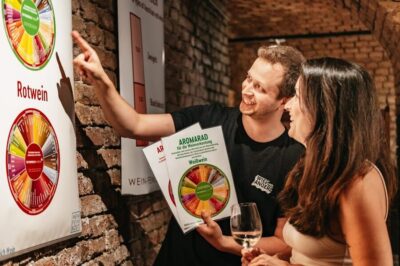 ★ 4.8Wine Tasting Experience in a Private Wine CellarFrom $22413 reviews
 ★ 4.8From Vienna: Wachau Valley Day Tour with Wine TastingFrom $234399 reviews
 ★ 4.2Heurigen Cruise with Viennese Songs and BuffetFrom $74320 reviews
 ★ 4.8Schlumberger Wine Cellar Guided or Self-Guided TourFrom $15285 reviews
Browse the lists this tour appears in