

Reviewed · VIENNA OLD TOWN WALKING TOURS
Vienna Art Nouveau Walking Tour
Art Nouveau in Vienna feels surprisingly practical. In this 2.5-hour walk and metro hop, you trace Jugendstil through the city’s design-smart stations and buildings.
I especially like how the tour starts with Otto Wagner and builds your understanding as you go, instead of tossing random facades at you. You’ll also get a tight sense of city orientation fast, because the route is built around major landmarks and the metro’s visual language.
One thing to plan for: you’ll be outside for portions of the day, so cold or rain can make the experience feel tougher. Pack layers and something waterproof, even if the day looks fine when you leave.
Key highlights worth planning around

- Karlsplatz pavilion start with a free look at the Wagner Museum
- Stadtpark station with the story of the artificial riverbed for the little Vienna river
- Secession building stop as the signature icon of Viennese Jugendstil
- Imperial station finish and how Wagner translated bourgeois Art Nouveau into emperor-level grand style
- Small group size (max 8) so you can ask questions and keep moving at a human pace
Vienna on foot, a couple more routes
- Vienna: Guided Walking Tour of City Center Highlights★ 4.7 · 4,989 reviews
- Vienna: Vienna Central Cemetery Guided Walking Tour★ 4.8 · 3,307 reviews
- Vienna: Viennese Underworld Guided Walking Tour★ 4.7 · 1,865 reviews
- Vienna: World War II Historical Walking Tour★ 4.8 · 1,772 reviews
How Jugendstil meets the metro in a 2.5-hour route
Vienna’s Art Nouveau is not just about pretty fronts. It is also about how people move, how public space feels, and how a city’s identity shows up in stations, apartments, and civic architecture.
This tour is set up for a fast, guided orientation. You cover major stops over about 2 hours 30 minutes, which is long enough to connect the dots, but short enough to keep you from freezing or melting into information overload.
The group stays small, up to 8 people, so you get more time for clarifying questions. It runs in English, and you get a mobile ticket, which keeps things simple when you are trying to stay on schedule.
Timing-wise, it is also smart to book early. The average booking window is about 36 days in advance, which usually means popular time slots fill up.
Stop 1: Otto Wagner Pavillon at Karlsplatz and the free Wagner Museum

You begin at Operngasse 7, then head to the Karlsplatz area and start with the Otto Wagner Pavillon. This pavilion is a great opening because it frames Wagner as a key figure in Vienna’s modern design world, not just as a name you see in guidebooks.
The tour includes time at the small Wagner Museum, and admission for that part is free. That matters because it sets context before you start spotting design patterns in other stations.
If you care about architecture details, this first stop gives you something useful: a way to notice how materials, shapes, and symbols show up repeatedly in Wagner’s work. You do not need to memorize anything, but you will start recognizing themes.
A practical note: since this is a walking tour, you will want comfortable shoes right away. Karlsplatz and the surrounding streets can be slick if the weather is wet.
Stop 2: Stadtpark station, the little Vienna river reworked in design
After Karlsplatz, you walk to Stadtpark station, which is known as the best preserved of the original metro stations still in use. That “still in use” detail is important, because you are not only looking at museum pieces. You are seeing design that still shapes everyday commutes.
Here is the standout story element: an artificial riverbed was constructed for the little Vienna river. The waterway needed rechanneling when the city train was built, and the challenge was how to integrate the realigned river into the new city layout.
This stop is more than a fun fact. It shows you that Jugendstil-era thinking was not only about decoration. It also had to solve real engineering and urban planning problems, and it did so with style.
Admission at this stop is free. So even if you skip optional paid museum time later, you still get solid, built-in value.
Stop 3: Kettenbrücke to Secession, Jugendstil symbols, and Otto Wagner apartments

Next you reach the Kettenbrücke station area and make your way toward the Secession building. The Secession is an icon of Viennese Jugendstil, and the tour focuses on why that building looks the way it does, not just that it is famous.
This is also where you learn how the Jugendstil philosophy shows up in specific choices like symbols and materials. Instead of treating the style as a visual trend, you get a sense of what designers were trying to communicate.
On the way, you also visit two apartment houses by Otto Wagner. That pairing helps. You see how the same design logic can travel from major public statements to everyday residential architecture.
Then you step onto the metro for the last big architectural stop. The route uses transit because the city itself is the classroom here.
Vienna at walking pace, more routes
Optional extra: Klimt’s Beethoven Frieze at Secession House
On Tuesday to Sunday, you have the chance to see the Beethoven Frieze at Secession House. Admission is €9.50 for adults and €6 for students and seniors.
The good part is that you do not have to figure out payment alone. The guide helps you pay for this ticket when it is part of your day’s schedule.
Even if you decide not to add this, the Secession building stop still works as a core lesson on Jugendstil and Wagner’s design language.
The imperial station finale near Schönbrunn: grand style with a message

Your final stop is the imperial station, reached by metro from the Kettenbrücke side. This station was erected outside Schönbrunn castle for the Emperor to use, which makes it feel different from ordinary commuter architecture.
The tour also explains the political symbolism. It was designed to show critics that the Emperor supported the metro line, turning infrastructure into a public statement.
Inside this small but energetic building, you are meant to spot the same elements you saw earlier. The payoff here is seeing Wagner’s method: how he translated a generally bourgeois Art Nouveau look into something with imperial grandiosity.
This is the kind of ending that sticks in your head because it ties design to purpose. You finish understanding not only how the buildings look, but what they were trying to communicate in their moment.
Admission for this main sequence is free as part of the included route, with the major paid add-ons being for specific museum or house visits when the schedule allows.
What you really get for $180.04 and when it feels like a bargain
At $180.04 per person for roughly 2.5 hours, this is not a budget “see everything quickly” activity. It is priced more like a focused architecture and design session with a guide who steers you through recognizable works and explains how they connect.
Here is why it can feel like good value. Several key stops are free to enter, including the Wagner Museum portion at Karlsplatz and the station-focused stops. So your money is paying mostly for the guided interpretation and for saving you from wandering around guessing what matters.
The optional paid pieces are where your final cost can rise. If you tour on days when Secession House is ticketed, you may pay €9.50 for adults or €6 for students and seniors for the Beethoven Frieze. If you visit during the April to October window for the Wagner Pavilion museum portion, general admission is €5 and €4 applies for senior citizens, students, Vienna Card holders, and persons with disabilities.
If you are the type who likes interior art, that optional Klimt stop can be worth it. If you are more into exterior design patterns and city planning stories, you may find you are happy keeping those adds minimal.
The guide factor is the real differentiator
The biggest strength showing up in the experience is how the guides handle questions and adapt. Names that have been praised include Jan, Stephan (and also a similarly named guide, Stefan), Angelina, Suzanne, Ilse, and Wolfgang Augsten.
You can also take comfort in the fact that guides have a track record of flexibility. One run included an offer to take guests by car during cold, rainy weather so people would not get soaked, which is exactly the kind of practical problem-solving you want on a walking tour.
Another repeated theme is guidance that improves your day beyond the route. Some guides have offered suggestions for what to eat nearby and helped people navigate Vienna’s public trains, which is a smart bonus when you are trying to keep your sightseeing efficient.
Practical tips so you enjoy it, not just endure it

Bring a coat and something waterproof. Cold and damp days come with this kind of route, and even a great guide cannot change the weather outside.
Plan on walking plus at least one metro ride. The itinerary includes moving by metro between stops, so you should have a plan for getting around efficiently, whether that means having a day pass or being ready to pay for rides yourself.
Since food and drinks are not included, eat ahead or plan a snack break before you meet. This is not a long lunch tour, and it is easier if your energy does not crash halfway through.
If you care about details, dress for standing and looking up. Jugendstil designs often reward closer viewing, and the tour is set up to point out patterns in shapes, materials, and symbolism.
Who this tour is for, and who should pick something else
This tour is a strong match if you love art, architecture, and the way design reflects power and everyday life. The focus on Otto Wagner, Secession, and the imperial station makes it perfect for anyone trying to understand Vienna around 1900 without getting lost in theory.
It also works well if you want a “city brain” experience. You learn how the metro and public buildings tell a story, so you come away with a mental map you can use later on your trip.
If you hate walking or you want mostly museum interiors, you might feel the outdoor portions. And because some stops can include optional ticketed elements like the Beethoven Frieze, you should be ready to spend a bit extra if that part matters to you.
Should you book this Vienna Art Nouveau walking tour?
Book it if you want Vienna Art Nouveau with context, structure, and design meaning. The route hits major Wagner and Jugendstil landmarks, and the small group size helps you get real answers instead of hearing architecture talk from far away.
Skip or reconsider if you want a pure budget outing, or if you are not interested in interpretive architecture explanations. Also, if you know your tolerance for cold, wet walking is low, plan to bring the right gear, and be prepared for route adjustments that might include transit shortcuts.
If this tour fits your style, it is an efficient way to understand why Vienna’s Art Nouveau feels both artistic and functional. You will leave with a stronger sense of the city, plus a set of visual clues you can spot on your own afterward.
FAQ
How long is the Vienna Art Nouveau walking tour?
It runs for about 2 hours 30 minutes.
What is the price per person?
The price is $180.04 per person.
What language is the tour offered in?
The tour is offered in English.
How big are the groups?
The maximum is 8 people per booking.
Where do we meet?
The start meeting point is Operngasse 7, 1010 Wien, Austria.
What is included in the tour price?
You get a 2.5-hour guided tour and a professional guide.
What is not included?
Food and drinks are not included (unless specified). Hotel pickup and drop-off are also not included. Entrance fees for certain stops are not included.
Are there entrance fees for Otto Wagner sites?
From April to October, when the museum is open, the tour incorporates a visit to the Otto Wagner Pavilion with tickets priced at €5 for general admission and €4 for senior citizens, students, Vienna Card holders, and persons with disabilities.
Is there an entrance fee for the Secession House Beethoven Frieze?
If you tour Tuesday to Sunday, admission to Secession House for the Beethoven Frieze is €9.50 for adults and €6 for students and seniors. The guide helps with payment.
Is there free cancellation?
Yes. You can cancel up to 24 hours in advance for a full refund. If you cancel less than 24 hours before, your payment will not be refunded.
More Tours in Vienna
- Vienna: Schönbrunn Palace & Gardens Skip-the-Line Tour
★ 4.7 · 7,739 reviews - Vienna Spanish Riding School Guided Tour
★ 4.7 · 6,765 reviews - Vienna: Skip-the-Line Sisi Museum, Hofburg and Gardens Tour
★ 4.8 · 5,918 reviews - Vienna: Skip-the-Line Schönbrunn Palace & Gardens Tour
★ 4.8 · 5,411 reviews - Vienna: Guided Walking Tour of City Center Highlights
★ 4.7 · 4,989 reviews
More Tour Reviews in Vienna
- Vienna: Vivaldi’s Four Seasons Concert in Karlskirche
★ 4.7 · 14,951 reviews - Vienna: Schönbrunn Palace & Gardens Skip-the-Line Tour
★ 4.7 · 7,739 reviews - Vienna: Light of Creation Votive Church Immersive Light Show
★ 4.8 · 6,779 reviews - Vienna Spanish Riding School Guided Tour
★ 4.7 · 6,765 reviews - Vienna: Classical Concert in the World-Famous Musikverein
★ 4.6 · 6,673 reviews
Vienna on Foot, Continued
- Vienna: Guided Walking Tour of City Center Highlights
★ 4.7 · 4,989 reviews - Vienna: Vienna Central Cemetery Guided Walking Tour
★ 4.8 · 3,307 reviews - Vienna: Guided Walking Tour of City Highlights & Hidden Gems
★ 4.9 · 2,180 reviews - Vienna: Viennese Underworld Guided Walking Tour
★ 4.7 · 1,865 reviews - Vienna: World War II Historical Walking Tour
★ 4.8 · 1,772 reviews
Recently Added Around Vienna


Vienna Old Town Walking Tours, compared.
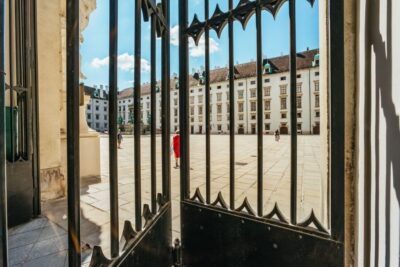 ★ 4.7Guided Walking Tour of City Center HighlightsFrom $254,989 reviews
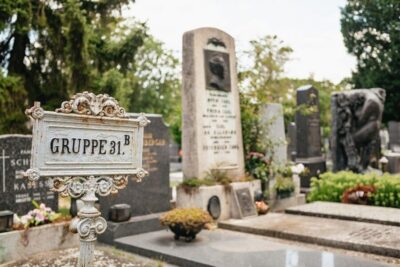 ★ 4.8Vienna Central Cemetery Guided Walking TourFrom $3353,307 reviews
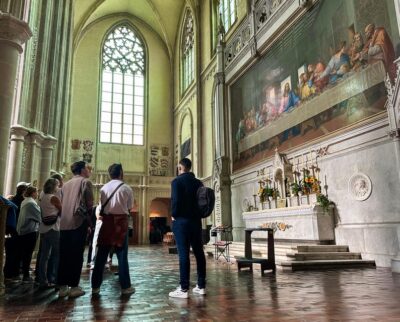 ★ 4.9Guided Walking Tour of City Highlights & Hidden GemsFrom $272,180 reviews
 ★ 4.7Viennese Underworld Guided Walking TourFrom $371,865 reviews
 ★ 4.8World War II Historical Walking TourFrom $311,772 reviews
 ★ 5.0Vienna Historic Center Small Group Walking TourFrom $721,746 reviews
 ★ 4.6Private Walking Tour with a Local GuideFrom $551,420 reviews
 ★ 4.91.5-Hour Underground Walking TourFrom $321,146 reviews
Browse the lists this tour appears in