

Reviewed · TOURS
Taste and Tour Small Organic Wineries with a Winemaker
Three stops. Three winemakers. One great afternoon. This Lower Austria tour is interesting because you do not just taste wine, you meet the people making it in the vineyard and in the cellar. I especially like the hands-on vineyard focus and the chance to try organic wines from small producers you typically will not see on supermarket shelves. One thing to consider: you will walk in vineyards depending on weather, so bring hiking shoes and be ready for uneven ground.
I like that your host is not a generic guide. The experience is led by Chris, who owns Kapitel Zwei Wine and brings both practical winemaking and formal viticulture training into the day. It is a private group in English, with an air-conditioned vehicle plus snacks, Wi-Fi, and cheese pairing built in.
Key highlights I’d prioritize

- Vineyard-and-cellar meetings with vignerons, not just a tasting room handoff
- Organic wines from small producers, including reds, whites, sparkling, and sweet styles
- Off-the-beaten-path Niederösterreich wine country, about an hour out of Vienna
- Seasonal vineyard work, like learning how vines are pruned
- Valley views from higher vineyard points, with time to look around
Before choosing, compare it with another Vienna route that solves the same part of the day.
- Alpaca and llama hike Moedling near Vienna★ 5.0 · 27 reviews
- Taste and Tour Small Organic Wineries with a Winemaker★ 5.0 · 16 reviews
- Admission Pass to The Roman Quarter and the Museum Carnuntinum★ 4.5 · 6 reviews
Lower Austria’s Niederösterreich, explained the practical way

Lower Austria’s wine region, Niederösterreich, can feel big and a bit abstract if you only visit major brands. This tour gives it a human scale. You focus on small producers and the choices behind them, like how grapes are grown, how soils are managed, and why organic farming changes the day-to-day rhythm.
That matters because organic wine is not only a label. In the vineyard, it often means more attention to timing and plant health, and in the cellar it means different decisions about how to handle wine through the winemaking process. You get to hear those choices from the people who make them, which makes the tasting far more than a sip-and-smile moment.
I also like that the day mixes styles. You are not limited to one grape or one type of wine. Expect a range that can include red, white, sparkling, and sweet wines, plus cheese pairing along the way. That mix helps you train your palate to spot what changes from one producer to another.
Meet Chris and Kapitel Zwei Wine, the winemaker-host angle
This experience is hosted through Kapitel Zwei Wine, and your guide brings a winemaker background plus an education path that is still ongoing. Chris has been growing white grape varietals: Chenin Blanc, Roussanne, and Sémillon, and he mentions that his premier vintage will be bottled in late 2024. That gives you a rare perspective: you hear about wine from both the science side and the realities of farming.
It also adds a useful layer to how the tour is run. Because he operates in the local wine-making community, he can arrange meetups with vignerons who are making wine naturally. In plain terms, you are not visiting a checklist of wineries. You are getting access to real conversations, and that is why the day reads like a tour with context instead of a shopping circuit.
Your pacing is also private group focused. The tour is listed as a private group, and the schedule is built around three winery tastings. Practically, that means you can ask questions without feeling rushed, especially if your interest is in viticulture details like vineyard practices and cellar workflow.
The route from Bahnhofpl. 3: three 30-minute winery tastings

You start and end at Bahnhofpl. 3. The meeting point is the front of the train station, and it is described as flexible, which is handy if you arrive a bit early or need to orient yourself quickly. Total duration is 210 minutes, so you are looking at a focused half-day rather than an all-day road trip.
The itinerary is built around three winery tastings, each listed as 30 minutes. Behind that simple structure is what makes it worthwhile: you go beyond the glass. You visit places where the wine is made and you get to meet the vignerons there.
Here is how the day tends to feel, stop by stop:
Stop 1: a cellar-and-vineyard introduction
Your first winery stop is the setup phase. Expect wine tasting time plus an explanation of what that producer is working on. Since organic farming is part of the theme, you can ask how the vineyards are managed and what changes in the cellar.
The value of starting here is mental. By the time you reach the second and third stops, you will already understand the kinds of decisions each winemaker talks about. That makes your comparisons easier. You will notice differences in approach instead of treating each winery as a brand-new topic.
Possible drawback: the first stop can be the one where you feel the most information coming at you. If you want a slower rhythm, say so early. With a private group, the pace is more adjustable.
Stop 2: a different style of operation, same organic angle
The second tasting is where the day starts clicking. Two key things are built in: you visit another winery, and you keep tasting across styles. Since the tour includes red, white, sparkling, and sweet wines during the overall experience, this middle stop often becomes the one where you realize which flavor profiles you actually like.
This stop also helps you understand what small producers can do differently. Bigger operations can blend for consistency. Smaller winemakers might be more specific about vineyard lots and how they protect the character of the fruit. Even if you are not a wine expert, you will likely start to connect taste to vineyard decisions.
Practical note: bring your curiosity. This is a tour where questions are encouraged, especially on viticulture and winemaking choices.
Stop 3: a finish with cellar equipment and production perspective
The third stop rounds out the day with the most satisfying kind of takeaway. You are not only tasting at the end, you are learning about the equipment and the practical workflow behind the wine. Cellars are typically the most eye-opening part of winery visits because you see how a finished bottle is the result of careful steps.
If you are the type who loves the story behind wine, this ending is built for you. You walk out with the feeling that you understand how wine moves from soil to cellar and, eventually, to bottling.
Possible drawback: by stop three, taste fatigue can happen if you overdo it. The tour includes snacks, but you will still want to pace yourself and hydrate.
Driving and comfort: air-conditioned vehicle and snacks
Between stops, you ride in an air-conditioned vehicle. That is a real quality-of-life detail in wine country, especially if the weather is warm or you have been moving between train platforms and roads. Snacks and Wi-Fi are included as well, which makes it easier to keep the mood relaxed.
Walking vineyards, pruning lessons, and those valley views

One of the tour’s highlights is the chance to go into vineyards where you can see vines up close. Depending on the season, you can learn how to prune the vines. That seasonal piece is important because it turns the tour from generic wine tasting into actual grape-growing work, even if you are only observing and asking questions.
The weather can shape how much walking you do. The guidance is clear: you will likely be walking in vineyards, so hiking shoes matter. In wine country, vineyard paths can be uneven and slopes can be steep, even when the walk feels short.
The payoff is the view. The tour highlights amazing valley views below, and the day is designed to put you at vantage points long enough to look around. This is part of why the experience feels like more than tasting. You are connecting what you taste to the physical reality of where the grapes grow.
If your fitness is limited, be careful. The tour is not listed as suitable for low fitness, and it also has age and size limits (like not for children under 18). If you are unsure, ask yourself honestly whether you can handle vineyard walking in outdoor conditions.
Organic wine tasting and cheese pairing that actually makes sense

The tasting is where you refine your palate. You will try organic wines from small producers, and the tour includes a chance to pair the wines with local cheese. Even if you never learned wine pairing theory, cheese helps you “read” a wine faster. Salty, creamy, or nutty cheese can highlight acidity, fruit character, or how a wine finishes.
Because you taste multiple categories, you also get a more complete sense of what organic producers are doing across styles. One producer might shine in whites. Another might do sparkling or sweet particularly well. The goal is not to find one magic wine, it is to see how organic growing and careful cellar work show up in different flavors.
A practical tip: keep notes on paper or in your phone. You might not need to be fancy. Just jot down what you liked and why, like crisp acidity, fruit sweetness, or how the wine felt on the finish. When you revisit a bottle later, those notes make your memory sharper.
Price and value for a private winemaker tour

The price is listed at $111 per person for a 210-minute experience. That is not “cheap,” but it also is not overpriced when you look at what is included.
What you get for the money:
- A private group format
- An English live guide
- Air-conditioned transportation between vineyards and wineries
- Three tasting blocks (each 30 minutes)
- Snacks plus alcoholic beverages
- Cheese pairing
- Wi-Fi
For context, many wine tastings in major regions cost similarly or more, yet often do not include the transportation, the private format, or the behind-the-scenes vineyard-and-cellar access. Here, the value is mostly in access to small makers and the chance to ask detailed questions.
If you want big, impersonal tastings, this might not be the best fit. If you want to understand how wine is made and you like talking with people who farm and produce, the price feels more like a fair exchange.
Also, the day is flexible based on your availability. That can matter if your Vienna schedule is tight and you are trying to avoid stress.
Who this tour fits best, and who should skip it

This experience is a strong match if you:
- Like small producers and want to try wines you probably will not find at a supermarket
- Want real viticulture and winemaking conversation, not only tasting patter
- Prefer a private group pace
- Are comfortable with outdoor vineyard walking and bring hiking shoes
It is not a good fit if you:
- Want a fully seated, no-walking tour
- Need a child-friendly experience (it is not suitable for children under 18)
- Have mobility limits that make vineyard walking difficult
You should also consider the limits listed for height and weight, plus the tour is not suitable for people with low level of fitness or people over 95.
Should you book this Lower Austria organic wine tour?

If your goal is to taste organic wine with context, this tour is a great bet. I’d book it when you want fewer stops but deeper conversations with vignerons, plus vineyard views and seasonal viticulture details like pruning. The private format and English hosting help a lot if you do not want to translate everything yourself.
If you prefer large, polished mega-wineries with minimal walking, you might feel out of sync here. But if you want an authentic afternoon in Niederösterreich, with a host who actively makes wine through Kapitel Zwei Wine, this one is worth your time.
One last practical note: there is free cancellation up to 24 hours in advance for a full refund, and the option to reserve now and pay later can help if your Vienna plans are still changing.
FAQ

How long is the tour?
The tour duration is listed as 210 minutes.
Where do I meet the tour?
You meet at Bahnhofpl. 3, in front of the train station. The meeting point is described as flexible.
What is included in the price?
Included are wine tastings (three tasting stops), snacks, alcoholic beverages, local cheese pairing, an air-conditioned vehicle, Wi-Fi, and a live English tour guide.
Is the tour private?
Yes, it is listed as a private group.
What should I bring?
Bring hiking shoes, since the tour involves walking in vineyards depending on weather.
What types of wine will I taste?
You can expect tastings that include red, white, sparkling, and sweet wines.
Is it suitable for children?
No. The tour is not suitable for children under 18.
More Tours in Lower Austria
- Vienna: Wachau Valley Private Kayak and Wine Tour
★ 5.0 · 3 reviews
More Tour Reviews in Lower Austria
- Alpaca and llama hike Moedling near Vienna
★ 5.0 · 27 reviews - Admission Pass to The Roman Quarter and the Museum Carnuntinum
★ 4.5 · 6 reviews - Vienna: Wachau Valley Private Kayak and Wine Tour
★ 5.0 · 3 reviews
Recently Added Around Vienna


Tours, compared.
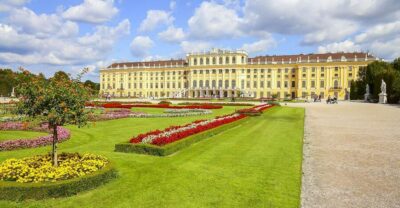 ★ 4.7Schönbrunn Palace & Gardens Skip-the-Line TourFrom $637,739 reviews
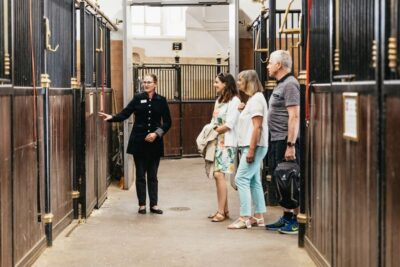 ★ 4.7Vienna Spanish Riding School Guided TourFrom $286,765 reviews
 ★ 4.8Skip-the-Line Sisi Museum, Hofburg and Gardens TourFrom $615,918 reviews
 ★ 4.8Skip-the-Line Schönbrunn Palace & Gardens TourFrom $765,411 reviews
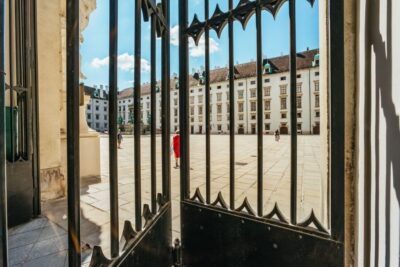 ★ 4.7Guided Walking Tour of City Center HighlightsFrom $254,989 reviews
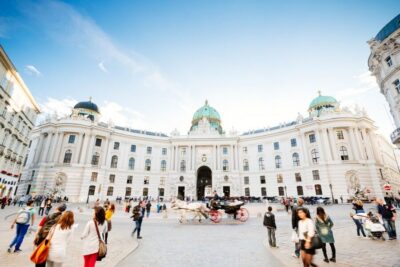 ★ 4.2Hop-On Hop-Off Sightseeing Bus Tour in 19 LanguagesFrom $414,518 reviews
 ★ 4.6Time Travel and Magic Vienna History TourFrom $273,879 reviews
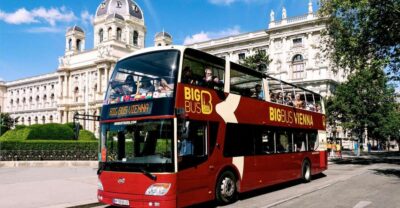 ★ 4.4Big Bus Hop-On, Hop-Off Tour by Open-Top BusFrom $363,529 reviews