

Reviewed · VIENNA OLD TOWN WALKING TOURS
Private Vienna Art Nouveau Walking Tour
Vienna’s Art Nouveau is hidden in plain sight. This private 3-hour walk links metro stations to major works by Joseph Maria Olbrich and Otto Wagner, with clear stories along the way. I especially like the small-scale feel, you get an expert guide and time to ask questions, and you walk from the Secession scene into everyday Vienna design.
You also get a built-in contrast: formal landmark architecture, then quick breathing-room stops like Stadtpark and the Naschmarkt area. One thing to consider, entrance tickets apply for key moments like the Secession House (Klimt’s Beethoven Frieze) and, depending on dates, the Otto Wagner Pavillon.
Key highlights you should care about

- Secession Building and the Beethoven Frieze: see why this exhibition hall became a symbol for Vienna’s rebel artists
- Otto Wagner’s Jugendstil railway architecture: Karlsplatz-area buildings and pavilion show how modern transit became art
- Postal Savings Bank architecture: a major Art Nouveau site you can’t really appreciate from a distance
- Apartment-house stops near the city market: Majolikahaus area and the Zacherl-house theme the tour around everyday design
- Finish at metro stations with a special Emperor stop: a neat finale that makes you look at stations like landmarks
- Private pacing: 3 hours is short enough to stay focused, long enough for real context
Vienna on foot, a couple more routes
- Vienna: Guided Walking Tour of City Center Highlights★ 4.7 · 4,989 reviews
- Vienna: Vienna Central Cemetery Guided Walking Tour★ 4.8 · 3,307 reviews
- Vienna: Viennese Underworld Guided Walking Tour★ 4.7 · 1,865 reviews
- Vienna: World War II Historical Walking Tour★ 4.8 · 1,772 reviews
Vienna’s Art Nouveau, told through metro design

Most people see Vienna’s Art Nouveau from big museum stops or postcard facades. Here, I like that you start thinking like a Viennese commuter, the city’s style lives on station buildings, signage, and the way entrances are framed. That changes how you notice things. You stop treating Jugendstil as decoration and start treating it as a design system.
This is a private walking tour for up to 10 people in your group, so the pace is shaped around your interests. If you love architecture, you’ll get time to talk details. If you just want the highlights without standing around, your guide can keep you moving. And since it ends at a pair of metro stations, the walking rhythm stays connected to the city you actually use.
What you’ll walk and how long it takes
Plan on about 3 hours. The stops are spaced so you get short segments for each location: a longer moment at the Secession Building, mid-time segments at Karlsplatz and major Wagner sites, then shorter breaks at city park and the market area. This kind of structure is practical. It prevents the classic problem of a tour that feels like one long sprint followed by a big ticket site and no time to absorb it.
Meeting outside Operngasse 7 and stepping into the Vienna Secession
You start at Operngasse 7, 1010 Wien. That’s handy because it’s not some remote corner of the map, it puts you near transit options from the start. From there, the early focus is the Secession Building, finished in 1898 by Joseph Maria Olbrich.
This is one of your best “aha” stops on the tour. The Secession Building was meant as an architectural manifesto for the Vienna Secession, a group of rebel artists who broke away from the older, established art institution. The point is not just that it is pretty. It is that the building itself was a statement about changing how art gets presented.
Secession Building (Secessionsgebaude) and the Beethoven Frieze
Your first stop is the Secession Building, with about 30 minutes there. Inside, you have the chance to see the famous Beethoven Frieze painted by Gustav Klimt, created for one of the original exhibitions.
Two practical things to know:
- Admission is not included for this stop.
- If you tour Tuesday through Sunday, the Secession House admission is €9.50 for adults and €6 for students and seniors. The list also includes Vienna Card holders and people with disabilities at the student and senior rate. Your guide helps you pay.
If you care about Art Nouveau in Vienna, this stop is a must. It sets the artistic argument for the entire walk. You’ll understand why Vienna’s style looked the way it did, and you’ll connect it to the idea of rebellion and modern identity, not just surface ornament.
Only your group, at your own tempo



Stadtpark for a reset, and why the tour uses pauses

Right after the Secession focus, you get a breather at Stadtpark, about 15 minutes. Stadtpark is a large municipal park stretching from the Ringstraße area up toward the Heumarkt. Even if you only use the time to step out of the street noise, the pause matters.
I like that the tour doesn’t treat the entire city as one continuous “look at this, keep walking.” Vienna is best when you absorb it in chunks. Stadtpark gives you that reset so that when you hit Otto Wagner buildings again, your brain has room to notice the details.
Karlsplatz: Otto Wagner and Jugendstil on top of a station
Karlsplatz is where the tour gets very “Vienna.” You visit Karlsplatz Stadtbahn Station with about 20 minutes. The above-ground buildings are a famous example of Jugendstil architecture, and this is where Otto Wagner and Joseph Maria Olbrich enter the story as design partners.
This stop is important because it teaches you how to see Art Nouveau in a place you wouldn’t automatically call an attraction. You aren’t just looking at an opera-house style facade. You are looking at the architecture of public movement.
A quick tip for this section
When you’re at Karlsplatz, slow down at eye level. Focus on how the station elements are shaped and framed, and not only on the big overall look. Your guide can help you spot what makes it Jugendstil instead of generic “old building with style.”
The Otto Wagner Pavillon Karlsplatz: small building, big context

Next you have Otto Wagner Pavillon Karlsplatz for about 15 minutes. This is an exhibit space about Otto Wagner’s life and work, located in an 1898 Art Nouveau station building that he designed.
Here is the consideration you should plan around: the tour notes that this Pavillon visit is incorporated when it is open from April to October. If you’re traveling outside that window, you may miss this specific indoor moment, but the broader architecture walk still works.
Entrance fees apply here too because it is not included:
- €5 general admission
- €4 for senior citizens, students, Vienna Card holders, and people with disabilities
If you like architects who cared about functional spaces, Wagner is your person. Seeing the Pavillon in context helps you understand why Wagner’s ideas show up in transit buildings, not just in “big show” structures.
Postsparkasse and Vienna’s Art Nouveau credibility test

Then you move to Postsparkasse, the Austrian Postal Savings Bank building, with about 25 minutes. This is described as a famous work designed and built by Otto Wagner and regarded as an important work of Vienna Secession, part of the broader Art Nouveau movement.
The Postsparkasse stop is a strong value moment. It’s the kind of building that can feel like a dramatic score in Vienna, even if you’re not a specialist. The reason it lands so well on this tour is simple: your guide connects it back to what you saw at Secession and Karlsplatz, so it feels like one continuous story rather than isolated spots.
And because the stop is listed as free for admission, this is where you can get more time on the street without ticket budgeting anxiety.
Naschmarkt for food culture, plus the architecture around it
You get a brief break at Naschmarkt, about 10 minutes. Naschmarkt is Vienna’s best-known culinary market, with around 120 market stands and lots of restaurants.
Even if you do not plan to snack during the walk, this stop has two practical benefits:
- You re-energize. Short market stops keep the tour from feeling like a museum marathon.
- It sets context for apartment-house design that belongs to real daily life, not just galleries.
Otto Wagner apartment-house vibes near the market
The tour highlights include two apartment houses designed by Otto Wagner. You may see the theme of these buildings as you pass through the downtown area connected to the Naschmarkt section. In this general part of the city, people often associate the tour with the Majolikahaus area and the Zacherl-house connection to the broader Art Nouveau apartment-house story.
Even without going deep into details at every corner, your guide should help you connect why these facades mattered. Apartment buildings were where aesthetics met daily routine in Vienna, which is a big part of why Jugendstil felt so modern at the time.
Finishing at metro stations, including the tiny Emperor stop

The tour ends at a pair of metro stations, with a special mention of a tiny stop built just for the Emperor. This is one of those “pay attention to the station” moments. You start the walk with a rebel artists exhibition story and finish with a reminder that even small, hidden transport details mattered in Vienna’s power and public identity.
Since the ending is also station-based, it’s easy to keep your momentum afterward. You are not stuck hunting for a landmark far from transit right when you’re tired.
Price and value for a private Art Nouveau walk
The price is $490.00 per group, for up to 10 people. That is the key thing to understand: the price is grouped, not per person. Your value depends on how many people you bring.
- If you book with a couple of friends and fill a bigger slice of the group cap, the cost per person drops fast.
- If it’s just you or you have one companion, you’re paying for a private guide experience at the highest per-person equivalent.
The tour includes the professional guide and the 3-hour guided walking portion. Entrance fees are the only recurring cost pressure, and those can be planned:
- Secession House (Klimt Beethoven Frieze) costs apply on Tuesday through Sunday.
- Otto Wagner Pavillon costs apply when it is part of your date window (April to October).
I like this pricing model when your group cares about design and wants a clear narrative. If your goal is only casual street views, you could potentially do some of this on your own. But if you want someone to connect Secession ideas, Wagner’s transit architecture, and apartment-house design into one coherent explanation, the private format makes sense.
Who this tour fits best
This is a great fit if you are:
- an architecture or design fan
- interested in the Vienna Secession and how it links to Art Nouveau beyond museum interiors
- visiting for a limited time and want a focused route that hits multiple key works in about 3 hours
- traveling with a group small enough to benefit from a private guide
It may not be ideal if:
- you want only free stops with no ticket moments at all
- you dislike walking, even though the itinerary uses short breaks like Stadtpark and Naschmarkt
Quick practical tips before you go
A few things will make your day smoother.
- Get your mobile ticket ready. You’re not scrambling at the last minute.
- Wear comfortable walking shoes. Vienna station areas can mean uneven sidewalks and lots of stop-and-look moments.
- Bring cash or a card for ticket moments. The guide helps with Secession House payment, but you should still plan so you do not feel stuck.
- If your travel dates are outside April to October, assume the Otto Wagner Pavillon indoor exhibit might not be part of the plan the same way.
If you’re the kind of person who likes asking questions, this is the tour style that rewards you. Guides like Barbara and Annelie are known for bringing solid historical context and handling follow-up questions about Vienna’s past and present. Wolfgang is also highlighted for turning the tour into an education on the nouveau movement itself, which is perfect if you are newer to the style.
Should you book this Art Nouveau metro walking tour?
Book it if you want a focused, design-forward way to see Vienna. The route makes sense for people who like explanations, and it hits big ideas through buildings you might otherwise pass without noticing. The combination of the Secession Building, Wagner’s station and related architecture, and the apartment-house theme is a strong match for anyone who wants Vienna’s Art Nouveau to feel real, not just decorative.
Skip or adjust expectations if you hate ticket fees or travel dates that fall outside the Pavillon open months. Also, if your group is not that interested in architecture and design, the tour might feel too “one-note.”
If you can align your schedule and budget for the Secession House and possibly the Pavillon, this is a smart way to spend a half day. You leave with a clearer mental map of how Vienna built its Art Nouveau identity into everyday public life.
FAQ
How long is the private Vienna Art Nouveau walking tour?
The tour runs for about 3 hours.
What does the $490 price include?
The price covers a 3-hour guided tour with a professional guide for your private group. It does not include entrance fees for certain stops.
Is it really private, and how many people can join?
Yes, it is private. Only your group participates, and the price is per group of up to 10.
Are hotel pickup and drop-off included?
Hotel pickup and drop-off are not listed as included. The experience notes pickup is offered, but you should plan to start from the meeting point unless your specific option is confirmed.
Are entrance fees included for Secession House and Otto Wagner Pavillon?
No. Entrance fees are not included. Secession House has admission fees Tuesday to Sunday, and the Otto Wagner Pavillon visit is tied to opening months and has its own admission fee.
Where does the tour start?
The meeting point is Operngasse 7, 1010 Wien, Austria.
Does the tour include free stops?
Yes, some stops are listed as free, including Stadtpark and Postsparkasse, and Naschmarkt as well.
More Tour Reviews in Vienna
- Vienna: Vivaldi’s Four Seasons Concert in Karlskirche
★ 4.7 · 14,951 reviews - Vienna: Schönbrunn Palace & Gardens Skip-the-Line Tour
★ 4.7 · 7,739 reviews - Vienna: Light of Creation Votive Church Immersive Light Show
★ 4.8 · 6,779 reviews - Vienna Spanish Riding School Guided Tour
★ 4.7 · 6,765 reviews - Vienna: Classical Concert in the World-Famous Musikverein
★ 4.6 · 6,673 reviews
Yours Alone Across Vienna
- Vienna: Private Walking Tour with a Local Guide
★ 4.6 · 1,420 reviews - Vienna: Private Walking Tour with a Guide
★ 4.7 · 962 reviews - Vienna: Wine Tasting Experience in a Private Wine Cellar
★ 4.8 · 413 reviews - Private Day Tour Trip Salzburg Hallstatt and Melk from Vienna
★ 5.0 · 388 reviews - Private Day Tour of Hallstatt and Salzburg from Vienna
★ 5.0 · 263 reviews
Vienna on Foot, Continued
- Vienna: Guided Walking Tour of City Center Highlights
★ 4.7 · 4,989 reviews - Vienna: Vienna Central Cemetery Guided Walking Tour
★ 4.8 · 3,307 reviews - Vienna: Guided Walking Tour of City Highlights & Hidden Gems
★ 4.9 · 2,180 reviews - Vienna: Viennese Underworld Guided Walking Tour
★ 4.7 · 1,865 reviews - Vienna: World War II Historical Walking Tour
★ 4.8 · 1,772 reviews
Recently Added Around Vienna


Vienna Old Town Walking Tours, compared.
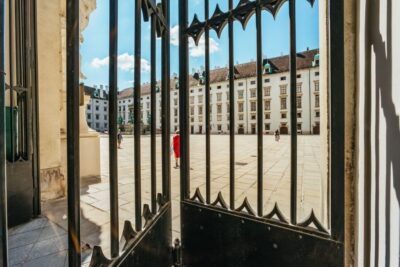 ★ 4.7Guided Walking Tour of City Center HighlightsFrom $254,989 reviews
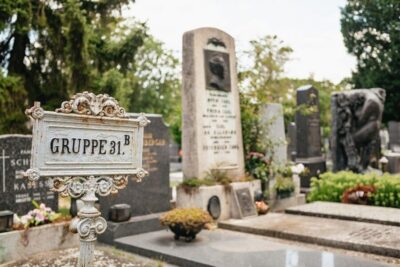 ★ 4.8Vienna Central Cemetery Guided Walking TourFrom $3353,307 reviews
 ★ 4.9Guided Walking Tour of City Highlights & Hidden GemsFrom $272,180 reviews
 ★ 4.7Viennese Underworld Guided Walking TourFrom $371,865 reviews
 ★ 4.8World War II Historical Walking TourFrom $311,772 reviews
 ★ 5.0Vienna Historic Center Small Group Walking TourFrom $721,746 reviews
 ★ 4.6Private Walking Tour with a Local GuideFrom $551,420 reviews
 ★ 4.91.5-Hour Underground Walking TourFrom $321,146 reviews
Browse the lists this tour appears in