

Reviewed · VIENNA OLD TOWN WALKING TOURS
Private Introduction to Vienna Walking Tour
Vienna tells stories in stone, iron, and myth. This private 3-hour walking tour is a fast, guided way to make sense of how power, faith, and architecture shaped the city. You start in the center and follow a smart route that links major sights with the human details behind them, like what the Habsburgs actually left behind.
I particularly like the private historian guide element, because you can set the pace and get answers on the spot. I also like the focus on orientation, not just photo stops, so you walk away with a clearer mental map of Vienna’s layout and eras.
One consideration: you’re on your feet for about 3 hours. If you’re sensitive to long walks or uneven streets, plan for breaks and comfortable shoes before you go.
Key highlights worth your attention

- Private guide, historian-led, small group up to 10 for a calmer, more adjustable pace
- Michaelerplatz to the Habsburg sites connects Hofburg power with what the emperors left behind
- Kohlmarkt, the Graben, and Stephansdom cover shopping streets plus Austria’s most famous cathedral in one flow
- Three burial locations in a single walking narrative (entrails, hearts, and sarcophagi) keep the story easy to remember
- Ottoman siege walls to Ringstrasse shows how Vienna reinvented itself, not just survived
- End around MuseumsQuartier and Maria Theresien Platz ties the past to how Austria thinks and operates today
Vienna on foot, a couple more routes
- Vienna: Guided Walking Tour of City Center Highlights★ 4.7 · 4,989 reviews
- Vienna: Vienna Central Cemetery Guided Walking Tour★ 4.8 · 3,307 reviews
- Vienna: Viennese Underworld Guided Walking Tour★ 4.7 · 1,865 reviews
- Vienna: World War II Historical Walking Tour★ 4.8 · 1,772 reviews
A private Vienna walking tour that gives you the city’s “why”

If Vienna is your first stop in Austria, you’ll feel the payoff of a guide right away. This is a history-and-architecture walk designed to connect the dots, from imperial rule at the Hofburg to later city-building choices like the Ringstrasse boulevard. It’s also a route that works well for people who like both big landmarks and the smaller details that explain them.
You’ll travel with a private guide for roughly 3 hours, in English, and the experience is set up for small groups of up to 10. That matters because the pacing can stay human. You’re not stuck listening at the back of a crowd, trying to hear over other people’s questions.
It also helps that the tour uses a meeting point near the city center, and pickup is available if you arrange it. That makes the tour feel less like a production and more like a smart first morning out: you get your bearings fast and learn where the city’s “center of gravity” shifts over time.
Michaelerplatz: Hofburg power, then the Loos House curveball
The tour starts at Michaelerplatz, right where the Hofburg dominates the scene. This is not a random starting point. It’s the kind of place that shows you what imperial power looked like in daily life, and why Vienna grew around the institutions that ruled it.
From there, the walk includes the Loos House, designed by architect Adolf Loos. This stop gives you a useful contrast. You see the heavy, older symbolism near the palace, then you’re pointed toward 20th-century architectural thinking. Even if you don’t obsess over building styles, this kind of juxtaposition helps you understand that Vienna didn’t change in a straight line. It kept multiple ideas alive at once.
What I like about this opening is how quickly it sets up a theme you’ll keep using for the rest of the walk: what power built, what later generations changed, and how architectural style often signals shifts in society.
Kohlmarkt, the Graben, and Stephansdom in one practical line
After Michaelerplatz, the route flows down Kohlmarkt and the Graben, which today is one of the city’s more fashionable shopping areas. That modern use is a detail worth noticing. It shows how Vienna keeps repurposing and layering space rather than wiping the slate clean.
Along the way, you’ll pass a mix of sights and styles, including a plague column and a baroque church. These are the kinds of objects that can look like background ornaments until someone gives you the story. Then they turn into evidence: Vienna’s public spaces carried messages about illness, faith, and civic identity.
And then you reach Stephansdom, the national architectural icon of Austria. The cathedral isn’t just a landmark for its exterior scale. In this tour, it’s also a major player in the story of what the Habsburgs did with their remains. That link is what makes the cathedral stop feel more meaningful than a quick photo.
Habsburg burial sites: the story of entrails, hearts, and sarcophagi

This walking route takes you through three spots tied to the Habsburgs’ grand tripartite burials. The concept is unusual enough that it sticks in your head, and it turns an area that could feel like “three churches you pass” into a single, clear narrative.
St. Stephen’s Cathedral is included as the place associated with the imperial entrails. Nearby, the Capuchin Church is where centuries of sarcophagi of Vienna’s rulers can be found. Then St. Augustine’s Church comes in for the silver urns connected to the hearts of the Hapsburgs.
If you’ve ever wondered why Vienna can feel both sacred and political at the same time, this section is the answer in plain form. These burial locations weren’t only about religion. They were also about power, symbolism, and how an empire wanted to be remembered across space.
Only your group, at your own tempo





Old city walls, Ottoman sieges, and the Ringstrasse turn

One of the most interesting educational moments on this tour is the shift from medieval defense to modern city-making. You’ll examine remnants of old city walls from the 12th century and learn how they protected Vienna through two major Ottoman sieges, in 1529 and 1683.
Then comes the planning reveal: those walls were eventually torn down to make way for the grand circular boulevard of the Ringstrasse. This is where the walk stops being only about what happened and starts showing you how cities decide what to keep and what to replace.
Even if you’re not a “history person,” this is a useful way to read Vienna. You start to notice how architecture and urban planning reflect priorities, and how later generations tried to project status through wide boulevards, major institutions, and monumental style.
Schwarzenbergplatz, Belvedere detour, and the Secession gold dome

From the old defensive line, the route continues toward Schwarzenbergplatz. The standout here is the massive fountain and memorial to Russian soldiers who died liberating Vienna from the Nazis. It’s an example of how 20th-century history is still built into the city’s public spaces.
This area is also linked to the embassies, so it helps explain the capital’s political present, not just its imperial past. After that, there’s a quick detour to Belvedere Palace. Even with limited time, adding Belvedere gives you another anchor for Vienna’s royal and artistic identity.
Then you head back toward Karlsplatz for a view of the gold-domed Secession building. That visual moment is the kind you’ll remember on your next walk around the city, because it feels like Vienna showing off its idea of modern style in a very recognizable way.
And you end up near the Naschmarkt. That brings you back to a daily-life Vienna angle, where the city’s cultural rhythms show up in food and market energy.
MuseumsQuartier and Maria Theresien Platz: Vienna’s present through a guide’s lens

The final section weaves through Museums Quartier and Maria Theresien Platz. This area is known for the city’s largest concentration of museums, and the timing of this stop matters. Ending with museums makes sense because it’s where people often want to keep learning after the walk is over.
More importantly, this is where the guide connects the past to the present. You’ll discuss the present-day cultural, political, and economic orientations of Austria and its capital. That doesn’t replace museum time, but it helps you enter museums with better context.
If you like to understand how a country thinks, not just what it built, this closing arc can be a big part of the value. You’re leaving with a framework you can apply later, whether you’re visiting a palace, a gallery, or a neighborhood street.
Price and value: $566.25 per group, up to 10 people

Let’s talk value honestly. The price is $566.25 per group, for up to 10 people, and the tour lasts about 3 hours. That means your best use of the price depends on who’s traveling with you.
If you’re one couple, you’re paying for a private guide, so it’s less “cheap” and more “worth it” if you want a clean first day with minimal confusion. If you’re traveling with family or a small group, the per-person value drops quickly because you’re splitting the group cost. This is the kind of tour that makes sense when you don’t want to split up, or when you want different generations to hear the same story without losing anyone in the crowd.
It’s also useful to know these tours are often booked well ahead, with an average booking window around 70 days. If you want a specific day or you’re traveling in high season, don’t wait until the last minute.
Pace and comfort: how to plan so you enjoy every stop
This is a walking tour, so your biggest “hidden variable” is comfort. Wear shoes you already trust. Bring water, especially if your weather is warm. And if you’re traveling with kids or anyone who gets tired early, the private format is your advantage: ask the guide to keep the pace steady and allow quick regrouping.
One practical detail: unless hotel pickup is arranged, you meet about 15 minutes before the start at the default meeting point near Cafe Hawelka, Dorotheergasse 6. Showing up early matters because you start promptly and you avoid the awkward scramble that can cut into real sightseeing time.
The tour is also offered in English and uses a mobile ticket, so it’s designed to be easy to manage once you’ve booked.
Guides who make the story feel human
The quality of any walking tour lives or dies by the guide. On this one, the standout pattern in guide feedback is style: warm, energetic, and story-focused, with pacing that doesn’t rush you through major stops.
Guides like Katarina, Selin, Biljana, and Else are associated with tours that feel customized, especially for families. That’s exactly what you want from a private introduction. You’re not just collecting landmarks. You’re learning the connections between them in a way that sticks, even if you’re bringing teens or older kids who can’t be bored for three hours straight.
A practical tip here: arrive with a couple of interests. If you care most about imperial history, ask the guide to emphasize the Habsburg sections. If you want architecture, ask them to compare Hofburg-era style with later modern buildings like the Loos House and Secession area view.
Who should book this Vienna private introduction?
You’ll probably love this tour if:
- You’re in Vienna for the first time and want orientation quickly.
- You care about how history shows up in real buildings, not just dates.
- You want a private guide for a family group, with flexible attention and pacing.
- You want a route that ties together imperial power, burial symbolism, urban planning changes, and today’s cultural institutions.
It may be less ideal if you want a fully food-centered tour or you’re looking for a slow, sit-down experience. This one is built around walking and storytelling, so plan on staying active for the duration.
Should you book it?
Book it if you want a smart, history-led way to understand Vienna’s center, with stops that actually connect into a single narrative: Hofburg power, Stephansdom’s role in burial symbolism, the Habsburg tripartite story, Ottoman siege walls, and the Ringstrasse reinvention, then a finish near museums where you can keep learning.
Skip or reconsider if walking for about three hours sounds rough or if you’d rather spend that time on independent exploration without a guide. In that case, you might prefer a lighter self-guided route.
If you do book, go in ready to ask questions. A good private guide turns a sightseeing loop into a city you can read, not just look at.
FAQ
How long is the private introduction to Vienna walking tour?
It lasts about 3 hours.
How many people are in a group?
The tour is for a group of up to 10 people, and it is private, so only your group participates.
Where do we meet, and is pickup offered?
Pickup is offered if you arrange hotel pickup. If you do not have pickup arranged, meet your guide 15 minutes before the start time at Cafe Hawelka, Dorotheergasse 6 (the default meeting point).
What language is the tour offered in?
The tour is offered in English.
What is included in the price?
Included is a 3-hour private guided walk with an historian guide. Food and drinks are not included unless specified.
Can I cancel and get a refund?
Yes. You can cancel for free up to 24 hours in advance for a full refund. If you cancel less than 24 hours before the experience start time, the amount paid is not refunded.
More Tour Reviews in Vienna
- Vienna: Vivaldi’s Four Seasons Concert in Karlskirche
★ 4.7 · 14,951 reviews - Vienna: Schönbrunn Palace & Gardens Skip-the-Line Tour
★ 4.7 · 7,739 reviews - Vienna: Light of Creation Votive Church Immersive Light Show
★ 4.8 · 6,779 reviews - Vienna Spanish Riding School Guided Tour
★ 4.7 · 6,765 reviews - Vienna: Classical Concert in the World-Famous Musikverein
★ 4.6 · 6,673 reviews
Yours Alone Across Vienna
- Vienna: Private Walking Tour with a Local Guide
★ 4.6 · 1,420 reviews - Vienna: Private Walking Tour with a Guide
★ 4.7 · 962 reviews - Vienna: Wine Tasting Experience in a Private Wine Cellar
★ 4.8 · 413 reviews - Private Day Tour Trip Salzburg Hallstatt and Melk from Vienna
★ 5.0 · 388 reviews - Private Day Tour of Hallstatt and Salzburg from Vienna
★ 5.0 · 263 reviews
Vienna on Foot, Continued
- Vienna: Guided Walking Tour of City Center Highlights
★ 4.7 · 4,989 reviews - Vienna: Vienna Central Cemetery Guided Walking Tour
★ 4.8 · 3,307 reviews - Vienna: Guided Walking Tour of City Highlights & Hidden Gems
★ 4.9 · 2,180 reviews - Vienna: Viennese Underworld Guided Walking Tour
★ 4.7 · 1,865 reviews - Vienna: World War II Historical Walking Tour
★ 4.8 · 1,772 reviews
Recently Added Around Vienna


Vienna Old Town Walking Tours, compared.
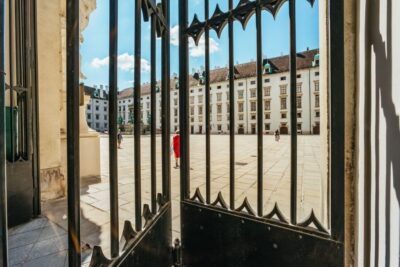 ★ 4.7Guided Walking Tour of City Center HighlightsFrom $254,989 reviews
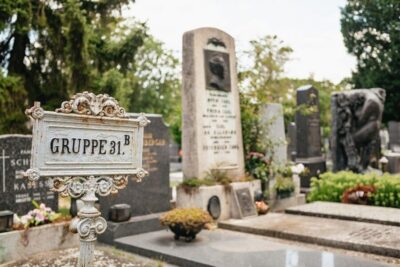 ★ 4.8Vienna Central Cemetery Guided Walking TourFrom $3353,307 reviews
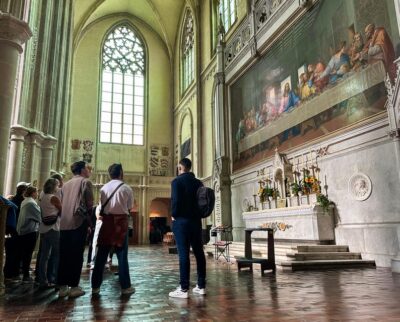 ★ 4.9Guided Walking Tour of City Highlights & Hidden GemsFrom $272,180 reviews
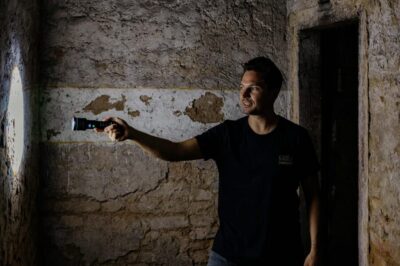 ★ 4.7Viennese Underworld Guided Walking TourFrom $371,865 reviews
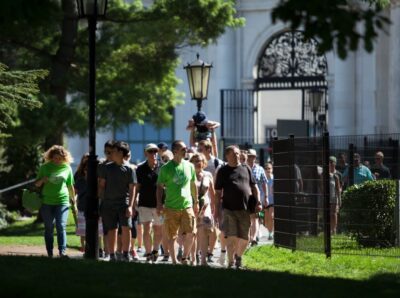 ★ 4.8World War II Historical Walking TourFrom $311,772 reviews
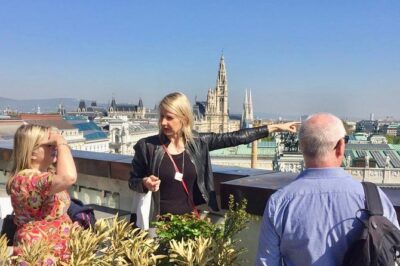 ★ 5.0Vienna Historic Center Small Group Walking TourFrom $721,746 reviews
 ★ 4.6Private Walking Tour with a Local GuideFrom $551,420 reviews
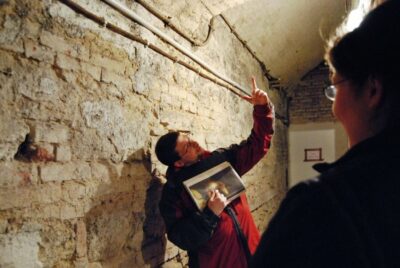 ★ 4.91.5-Hour Underground Walking TourFrom $321,146 reviews
Browse the lists this tour appears in