

Reviewed · TICKETS
Entrance ticket Heidi Horten Collection Vienna
Lines, lights, and pop art in one quiet stop. This entrance ticket gets you into the Heidi Horten Collection, a museum set inside striking, open architecture where the modern art feels part of the building’s design. I especially love how the Klimt ⇄ Warhol permanent presentation brings major names into a single, readable atmosphere, and how the current special exhibition, The Line, connects artists by one basic visual idea. One thing to consider: the museum leans into sound, light, and sensory art, so if you dislike audio and effects, you may find parts of the experience a little disorienting.
You’ll typically spend about 1 to 2 hours here, going at your own pace with an audio guide in English. The ticket is mobile, it’s near public transportation, and it’s priced to fit a one-stop Vienna plan, not just a full day.
Key highlights before you go

- Icon-to-icon modern art without the dead time, with a permanent Klimt ⇄ Warhol focus and big names across the 20th century
- The Line exhibition (Sep 19, 2025 to Mar 8, 2026) makes you notice how artists use lines in totally different ways
- Open, transparent architecture gives you sightlines and a more public-feeling room layout than a classic white cube
- Audio guide included, and you can use it in the museum or from home via SMARTIFY
- Phone-friendly moments may include places where you can vote on works, so bring your mobile
- Sensory installations are part of the design, which can be fun or irritating depending on your taste
A useful second option for the same Vienna day:
- Vienna Kunsthistorisches Museum Day Admission Ticket★ 4.6 · 3,690 reviews
- Vienna: Tickets for Mozarthaus Vienna with Audio Guide★ 4.2 · 2,344 reviews
- Vienna: Skip-the-Line Entrance Ticket to the Danube Tower★ 4.5 · 2,303 reviews
- Tickets for the Albertina Exhibitions★ 4.7 · 2,126 reviews
Entering the Heidi Horten Collection building in Vienna

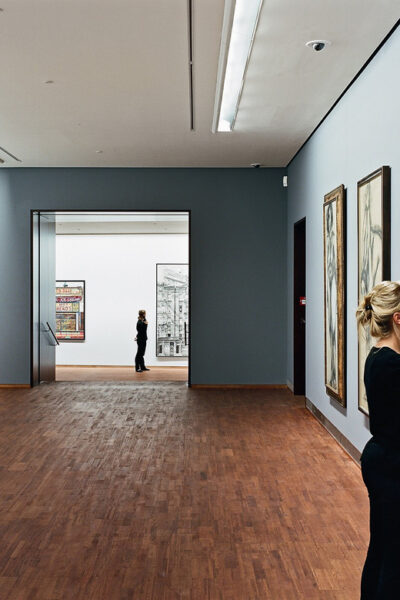
The first surprise is the feeling that the museum is designed as much as the art is. The Heidi Horten Collection sits in spectacular architecture that looks like it was built for display. Instead of hiding artworks behind heavy walls, the interior keeps things open and visually connected, so you often see where you’re headed next.
That design choice matters. It makes the visit feel less like a series of sealed rooms and more like a continuous walk through modern art. You’re not constantly reorienting or trapped in one corner. If you like the art to breathe and you want easy navigation, this format works.
The flip side is that open plans can also carry sound and noise. If you are sensitive to audio and lighting effects, you’ll want to keep an eye out for the museum’s sensory rooms. The experience is not quiet in the traditional museum way.
Klimt ⇄ Warhol on the ground floor: what the permanent exhibition is really doing
On the ground floor, the permanent exhibition is built around Klimt ⇄ Warhol. That sounds like a neat marketing pairing, but in practice it helps you understand what the museum is aiming for: a bridge across time.
This floor mixes icons of modern and contemporary art, with international names such as Bacon, Baselitz, Basquiat, Chagall, Fontana, Haring, Klee, Klein, Klimt, Lichtenstein, Magritte, Nolde, Picasso, Rothko, Warhol, and others. You do not need to be an expert to enjoy it, because the works are presented in a way that encourages comparison.
What I like about this approach is that it turns your visit into a pattern-recognition exercise:
- You start seeing how pop art energy and modern fragmentation echo older breakthroughs.
- You notice that style changes, but visual ideas keep traveling.
The museum’s layout also adds context. The permanent collection is staged to reflect the fact that this started as a private collection, not a lifelong public gallery. That means the rooms feel more like an intentional personal presentation than a strict academic museum model.
One practical tip: if you want the best “read” of what you’re seeing, pause at a few key pieces and use the audio guide to connect names to movements. With a building this open, it’s easy to walk fast and lose the threads.
The special show, The Line: how one idea links artists from 1900 to now

The headline special exhibition runs from September 19, 2025 to March 8, 2026, and it’s all about one fundamental element of art: the line. The concept is simple, but the results are where it gets interesting.
The exhibition guides you across time and continents by showing how a line can be:
- a drawing gesture
- a structural tool
- a boundary or rhythm
- a design principle
- even a way to shape emotion in a space
You’ll see a wide range of international artists connected to that theme, including Paul Klee, Lucio Fontana, Roy Lichtenstein, Egon Schiele, Jackson Pollock, Agnes Martin, Andy Warhol, and Chiharu Shiota, among others.
Why this works for visitors: it gives you a lens that makes modern art feel less random. Even if you do not love every single work, you can usually understand what the artist is testing. And because the exhibition moves across decades, you start spotting how one visual move gets reinvented.
If you like modern art that is concept-heavy, The Line is a smart choice. If you prefer classic realism or strictly historical storytelling, you might find parts abstract or experimental. Still, the theme is clear enough that you can follow along without a background lecture.
A quick reality check: sensory installations and tight circulation

This museum is not trying to be museum-still. Some exhibits use sound, light, and even smell. The design also uses restrictions and boundaries, with lines telling you not to step beyond certain areas. That safety and display logic is normal in concept art museums, but it can create bottlenecks.
In a few spots, the walkways can feel narrow, especially when multiple people stop to look. The open architecture helps your sense of direction, but it does not prevent slowdowns. If you’re visiting during a peak time, expect to work around traffic at the most popular viewpoints.
Also, the same open design that helps with sightlines can carry noise. One reviewer described sound and light echoing on the ground floor, and another highlighted sensory rooms on higher levels. Translation: you might hear effects while you’re trying to read labels, so plan to slow down where it matters and move quickly through what doesn’t.
My practical advice:
- If you want quieter viewing, go earlier in the day.
- Use the audio guide in short bursts, not all at once.
- If an installation is too intense, skip it, keep walking, and come back later if you feel like it.


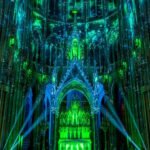


Audio guide in English, and how to use SMARTIFY the smart way

The ticket includes an audio guide, offered in English, and you can use it on-site. The museum also points out that the audio can be accessed from home through SMARTIFY. That’s genuinely useful if you like to arrive prepared, or if you want to preview the tone and themes before you walk in.
Here’s how I’d use it for best value:
- Start with the ground floor so the big names and the Klimt ⇄ Warhol idea land first.
- Then switch to the special exhibition theme. The Line is easier to enjoy if you already understand what a museum is trying to make you notice.
Because the visit is 1 to 2 hours, you cannot listen to every minute detail. Instead, listen for the “why.” If the guide explains what a line is doing, you’ll read the artwork faster and feel more confident about what you’re looking at.
How long it takes, and how to plan your Vienna day

Most people end up spending about 1 to 2 hours. That range is right. The building is interesting enough that you could spend longer if you linger, but you also won’t feel pressured to rush.
If you have limited time in Vienna, this works well as a mid-day or late afternoon stop. You get a dense art experience without needing a half-day commitment.
It also fits nicely with nearby major sights. One review notes the location as central, next to the state opera, and close to the Albertina. Translation: if you’re already doing that part of town, Heidi Horten becomes a great contrast stop. Albertina can feel more classical and collection-focused, while Heidi Horten leans into modern, concept, and sensory experiments.
If you want a simple plan:
- Hit Albertina first if you like a traditional museum rhythm.
- Then come to Heidi Horten for a shorter, more concept-based walk.
- Finish with a coffee nearby and you’ll have an easy comparison day.
Best for who, and when to think twice

I’d recommend this museum ticket if you match any of these:
- You like modern and contemporary art and enjoy seeing big-name artists together.
- You want a theme that helps you interpret the art, like The Line.
- You are open to sensory installations that use sound, light, or effects.
The museum can be a letdown only if you want a traditional, quiet, tightly chronological art history lecture experience. The layout is designed to be more open and playful than strict. Some visitors may not enjoy that, especially if they expect a calmer “white cube” environment.
There’s also a topic you should be aware of if museum ethics and transparency matter to you. One review mentioned an entire room addressing the origins of funding and the museum’s explanation for it, but also described limited transparency on certain questions on the website. If you care deeply about the financial story behind art institutions, take your time with the interpretive materials and labels.
Finally, if you are traveling with kids or you are worried about intensity, plan to preview the sensory areas and decide on the spot. The museum experience can run the spectrum from eye candy to concept challenge.
Getting your money’s worth at $14.38

At $14.38 per person, the value comes from what you’re actually getting: entrance to a private-collection-style museum plus an audio guide, with a major permanent exhibition and a special show running during your visit window.
The cost feels most justified if:
- You use the audio guide instead of just walking.
- You take the time to connect Klimt ⇄ Warhol on the ground floor with the theme in The Line.
- You treat it as a focused 1 to 2 hour cultural stop, not a background stroll.
It may feel expensive only if you expect a classic guided tour format or a large museum with endless rooms. This is designed for impact, and the experience is concentrated. If you love that style, you’ll feel like you got your money’s worth quickly.
Should you book the Heidi Horten Collection entrance ticket?
Book it if you want modern art with a clear concept, striking architecture, and the kind of museum design that keeps you visually moving. The Line is an especially good reason to go, because it gives you a single idea to test across decades and continents.
Skip it, or go with expectations adjusted, if you need a quiet, purely traditional museum environment. The sensory parts and open layout are part of the experience, not side attractions.
If you’re in Vienna for a day of major sights like the state opera and the Albertina, this is an easy add that can change the tone of your day without swallowing your schedule.
FAQ
What’s included with the Heidi Horten Collection Vienna entrance ticket?
Your ticket includes the entrance ticket itself, an audio guide, and all fees and taxes.
How long should I plan to spend inside?
Plan on about 1 to 2 hours.
Is the ticket mobile?
Yes, you’ll receive a mobile ticket.
Is this experience available in English?
Yes, it’s offered in English.
Do I get access to the special exhibition?
Your admission ticket includes entry to the museum’s exhibitions for the date you visit, including the special exhibition running during that period.
When is the special exhibition The Line running?
The Line runs from September 19, 2025 to March 8, 2026.
How far in advance is it typically booked?
On average, it’s booked about 5 days in advance.
Is it near public transportation?
Yes, it’s near public transportation.
Can I get a free cancellation?
Yes. You can cancel up to 24 hours in advance for a full refund.
Are service animals allowed?
Yes, service animals are allowed. Confirmation is received at the time of booking, and most travelers can participate.
More Tickets in Vienna
- Vienna: Classic Ensemble Vienna in St. Peter’s Church Ticket
★ 4.7 · 4,819 reviews - Vienna Kunsthistorisches Museum Day Admission Ticket
★ 4.6 · 3,690 reviews - Vienna: Tickets for Mozarthaus Vienna with Audio Guide
★ 4.2 · 2,344 reviews - Vienna: Skip-the-Line Entrance Ticket to the Danube Tower
★ 4.5 · 2,303 reviews - Tickets for the Albertina Exhibitions
★ 4.7 · 2,126 reviews
More Tour Reviews in Vienna
- Vienna: Vivaldi’s Four Seasons Concert in Karlskirche
★ 4.7 · 14,951 reviews - Vienna: Schönbrunn Palace & Gardens Skip-the-Line Tour
★ 4.7 · 7,739 reviews - Vienna: Light of Creation Votive Church Immersive Light Show
★ 4.8 · 6,779 reviews - Vienna Spanish Riding School Guided Tour
★ 4.7 · 6,765 reviews - Vienna: Classical Concert in the World-Famous Musikverein
★ 4.6 · 6,673 reviews
Recently Added Around Vienna


Tickets, compared.
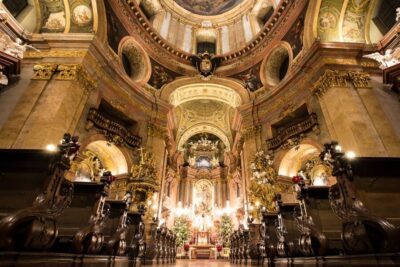 ★ 4.7Classic Ensemble Vienna in St. Peter’s Church TicketFrom $454,819 reviews
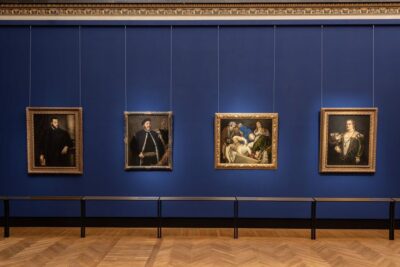 ★ 4.6Vienna Kunsthistorisches Museum Day Admission TicketFrom $253,690 reviews
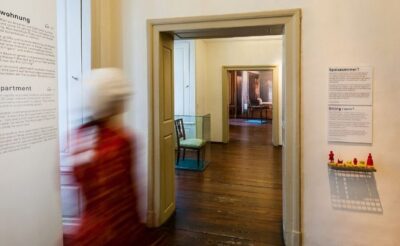 ★ 4.2Tickets for Mozarthaus Vienna with Audio GuideFrom $182,344 reviews
 ★ 4.5Skip-the-Line Entrance Ticket to the Danube TowerFrom $212,303 reviews
 ★ 4.7Tickets for the Albertina ExhibitionsFrom $232,126 reviews
 ★ 4.6Sigmund Freud Museum TicketFrom $181,668 reviews
 ★ 4.5St. Stephen’s Cathedral & Dom Museum Wien TicketsFrom $341,652 reviews
 ★ 4.6Imperial Crypt Entrance TicketFrom $171,507 reviews