
Reviewed · GUIDED
Vienna – the making of a Weltstadt – guided Citytour
Vienna makes more sense when you walk it. This 2-hour Weltstadt city tour, guided by the real Viennese Christian Grausam, stitches together big eras with the buildings you see, and it pays special attention to Hofburg as the heart of Vienna’s imperial residential life and to St. Stephen’s Cathedral as the city’s true emotional and geographic center. You come away with an understanding of why the streets feel the way they do, and how art and music fit into the same story as rulers.
One thing to plan for: this is a walking tour, it runs rain or shine, and it is not set up for mobility impairments. Also, luggage or large bags are not allowed.
Key points at a glance
2,000 years on foot: start with a Roman fort vibe and move toward a 19th-century metropolis
A guide who connects eras to architecture: Christian Grausam links history and buildings in a way that sticks
Hofburg focus: you learn why Vienna became a residential power center
St. Stephen’s Cathedral as anchor: it becomes a reference point for both your bearings and your mood
Imperial and artistic stories together: Mozart, Beethoven, Haydn, and rulers from Charles V to Franz Josef and Elisabeth
Practical guidance: the tour includes tips to help you keep exploring after the walk
A Vienna guide to carry the details
- Vienna Spanish Riding School Guided Tour★ 4.7 · 6,765 reviews
- Vienna: Guided Walking Tour of City Center Highlights★ 4.7 · 4,989 reviews
- Vienna: Vienna Central Cemetery Guided Walking Tour★ 4.8 · 3,307 reviews
- Vienna: Tickets for Mozarthaus Vienna with Audio Guide★ 4.2 · 2,344 reviews
A 2-hour route that turns Vienna into a story
This tour is built for the moment you feel overwhelmed by Vienna’s scale and elegance. Two hours sounds short, but the format makes it work: you move through central neighborhoods while your guide frames what you are seeing as part of a longer timeline. The goal is not to name every façade. The goal is to help you understand the city afterward, so you can explore on your own with a clearer sense of where you are and what mattered.
You also get variety in the walking itself. The route includes busy areas in the center and turns you toward places that feel quieter or more tucked away. That mix matters because Vienna changes its mood block by block. If you have only a day or two here, this kind of overview helps you stop treating landmarks like separate postcards.
The tour is guided by a local certified tourist guide, and it is conducted live in German. If you read German, you will be fine even if you miss a detail or two, since the storytelling style is meant to connect eras and locations.
Schottenkirche, Freyung, and Am Hof: starting where the old city gets real
Your meeting point can vary depending on which option you booked. If you meet at Freyung, the walk begins with Schottenkirche, continues through Freyung, and then heads toward Am Hof. Even just the first stretch is useful, because your guide sets the framework: Vienna did not start as a single grand idea. It grew in layers.
This opening part is especially helpful if you like architecture but also hate feeling like you are studying from a textbook. Here, you are asked to look for architectural styles and consider a key question: are there still memories of the Middle Ages? Your guide uses the early stops to make that idea concrete, so you can spot the echoes later while you walk the city on your own.
It also helps that the guide ties the early history to what comes next. Starting from a Roman fort concept gives you a sense of depth. You are not just visiting buildings, you are seeing how a city develops over centuries and keeps reusing its own advantages.
Kohlmarkt and Michaelerplatz: seeing the city center as a timeline
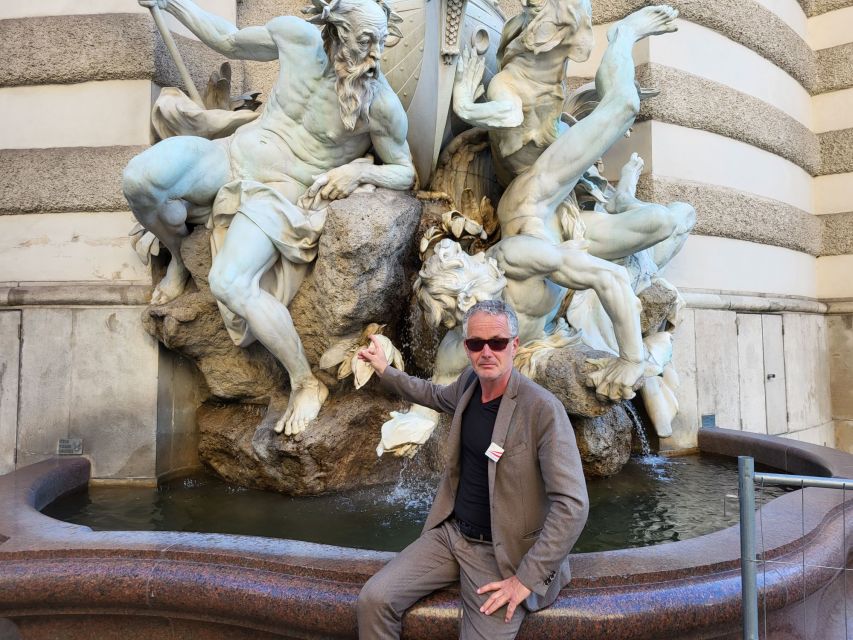
After the first older-feeling areas, the route continues through Kohlmarkt and Michaelerplatz. These stops matter because they show how Vienna’s center balances everyday life with monumental history. You get a feel for the rhythm of the modern city, while your guide keeps nudging you to connect what you see to earlier epochs.
This is a good segment to practice slow attention. Do not just look straight ahead. Glance upward, then back to street level, because Vienna often rewards that kind of scanning. Your guide points out how the city’s layout and architectural choices reflect different time periods, so the street scene starts behaving like a timeline you can read.
If you are the type who wants to know why a place feels important, this is where you start getting those answers. The tour is designed around understanding. That word is the difference between collecting highlights and building context.
Hofburg and Heldenplatz: the residential powerhouse behind the empire
One highlight is the Vienna Hofburg, and it is there for a reason. You will spend time understanding why Hofburg is not just another impressive building. It is the physical proof that Vienna functioned as a residential city for power. When rulers live in a place, the city changes around them. Institutions grow. Streets get shaped. Art and music get pulled into the same orbit.
From Hofburg you also reach Heldenplatz. This area is a natural bridge between everyday center Vienna and the grand public spaces associated with emperors and state power. Your guide takes the story from major European rulers like Charles V forward to later Habsburg figures, including Franz Josef and his Elisabeth. Even if those names are familiar, the value here is the way the guide connects them to the city’s built environment.
A practical note: since Hofburg and Heldenplatz are central and popular, the area can feel busy. The tour moves through it in a structured way, so you are not stuck just standing and waiting for crowds to thin. You are given specific things to notice, which keeps the time from turning into sightseeing boredom.


Burggarten, Josefsplatz, and Albertina: where culture lives next to authority
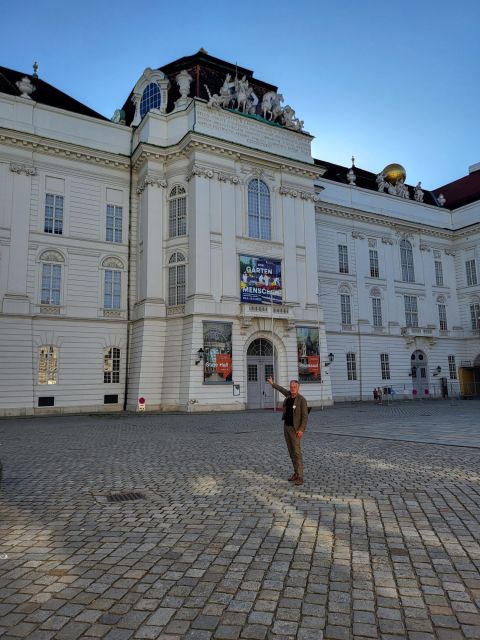
The route continues through Burggarten and Josefsplatz and then includes Albertina. These stops are where Vienna’s identity as a center of art and music becomes more than a slogan. The guide brings in the creative legends tied to the city, including Mozart and Beethoven, and you also hear about Josef Haydn and a melody connected to Germany today. That music angle matters because it changes how you interpret Vienna’s public spaces. The city is not only where rulers displayed power. It is also where culture got shaped and performed.
Burggarten and Josefsplatz can feel like a pause in the day, and that is part of the point. You get a breather while the guide keeps the story moving, linking the imperial world to the cultural world. Albertina on the route adds another layer, reinforcing that Vienna’s center is where art is part of daily life, not something you only visit in a separate, distant museum day.
This segment is particularly good if you are traveling with someone who likes history but also wants to feel the creative side of Vienna. The tour gives both without turning it into two separate tracks.
Capuchin Crypt and Franziskanerplatz: royal memory with an emotional weight
You then reach the Capuchin Crypt, a stop that shifts the tone. If Hofburg explains why rulers lived here, the crypt helps explain why the city remembers them. The guide connects this space to the long line of powerful figures discussed earlier, including Franz Josef and Elisabeth. Even if you are not a monument person, this stop tends to make the story land emotionally.
From there you continue through Franziskanerplatz and toward Domgasse. This is a smart routing choice because it keeps you moving through the historic center, while the tone you built at the crypt carries you forward. When you finally reach the big finale at St. Stephen’s Cathedral, it feels like the city’s story resolves, not just ends.
Domgasse to St. Stephen’s Cathedral: the city’s emotional compass
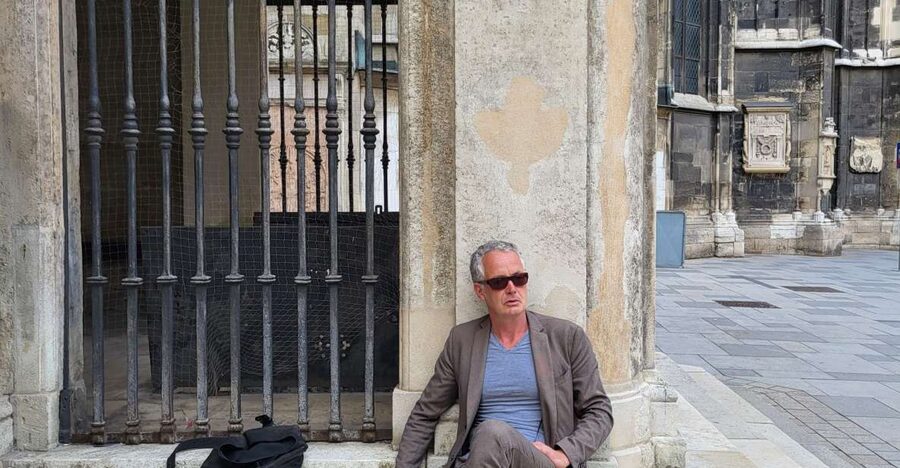
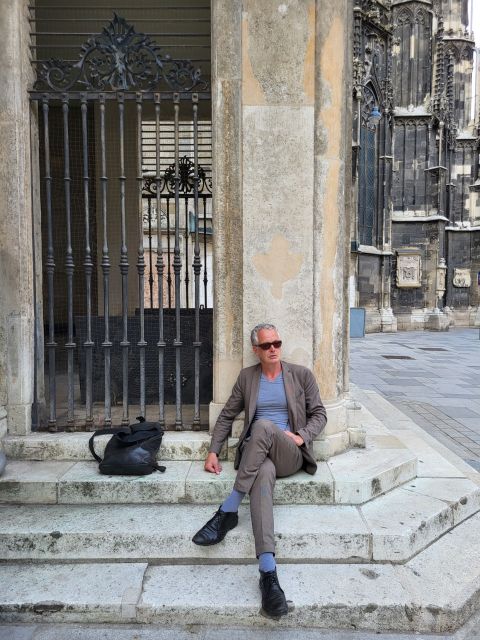
St. Stephen’s Cathedral is described as the geographical and emotional center of Vienna, and that framing is exactly what makes it work as a tour finale. You are not only told that it is important. You are guided to understand why it functions like a center for orientation. After this segment, you will likely find yourself using the cathedral as a reference point when you look at maps or plan the next neighborhoods.
The route brings you through Domgasse, so you get that “approach” effect. It is easier to appreciate scale and style changes when you are walking toward the landmark instead of arriving by bus and snapping photos from one angle.
This is also where the earlier theme clicks: the city’s architectural styles and the question about Middle Ages memories. The cathedral becomes the place where those ideas are easiest to recognize. Your guide helps you notice what is old, what is evolved, and what the city kept doing again and again.
Mozart, Beethoven, Haydn, and rulers, in the same walk
Vienna can feel like a collage of famous names. This tour avoids that trap by connecting people to places. Mozart and Beethoven lived and worked here, and that fact becomes part of how you read the city center while you move from stop to stop. Josef Haydn composed a melody that matters for Germany today, and the guide uses that to reinforce Vienna’s role in European culture.
Then the story shifts back to political power, following rulers from Charles V to Franz Josef and Elisabeth. The key is not just learning that those figures were important. It is learning how their presence shaped what Vienna built and how it used public space.
I like this approach because it makes history feel practical. When you understand why Vienna became a residential city, why its center includes monumental public areas, and why culture and power walked side by side, the city becomes easier to navigate on your own.
Price and pacing: what you get for $35 in 2 hours
At $35 per person for a 2-hour guided walking tour, the value is mostly about efficiency. You are paying for a local certified guide to connect eras, architecture, and the city’s identity in a short window. If you are on your first trip and you want the fast orientation that helps you enjoy the rest of your days, this price looks fair.
The pacing is built around walking through the center with stops at major anchors like Hofburg and St. Stephen’s Cathedral, plus supporting cultural and historical points along the way. If you were going to do this independently, you would still need someone to explain the connections between buildings, rulers, and culture. That is what you are buying here.
A caution for budgeting your day: since the tour is rain or shine and includes walking, you will want to plan a flexible second activity afterward. The tour itself is compact, but it is still an active couple of hours.
Who this Vienna Weltstadt tour is best for
This tour fits you if you want more than the usual checklist of famous stops. You will likely enjoy it if you like history told through real places, and if you appreciate architecture as evidence of changing eras. The guide’s style, including how Christian Grausam connects background knowledge to what you see, is the kind of guidance that makes the city feel less random.
It is also a great match if you care about Vienna as a music and arts center. The route is built so that art and music themes show up alongside imperial power themes, not in separate blocks.
This is not the right choice if you need mobility-friendly routing. It is also not suitable if you have luggage or large bags.
Should you book the Vienna Making of a Weltstadt Citytour?
If you are coming to Vienna and you want to get your bearings fast, I think this is a strong booking. Hofburg and St. Stephen’s Cathedral alone make the route worthwhile, and the tour’s main win is that it explains why those landmarks matter, using the middle centuries, the imperial era, and the cultural story of Vienna.
Book it if you want a guided walk in German, with an emphasis on understanding the city after you finish. Skip it if you cannot do a walking tour, if you cannot go without large bags, or if you prefer self-guided sightseeing where you can wander at your own pace.
FAQ
How long is the Vienna Making of a Weltstadt guided city tour?
The tour lasts 2 hours.
What language is the live tour guide?
The tour is guided in German.
Where is the meeting point?
The meeting point may vary depending on the option booked. If your meeting point is Freyung, the tour route includes Schottenkirche, Freyung, and Am Hof at the start.
Does the tour run in bad weather?
Yes, the tour takes place rain or shine.
Can I cancel and get a full refund?
Yes. Free cancellation is available up to 24 hours in advance for a full refund.
Is the tour suitable for people with mobility impairments, and can I bring luggage?
No. The tour is not suitable for people with mobility impairments, and luggage or large bags are not allowed.
Let a Vienna Guide Lead
- Vienna Spanish Riding School Guided Tour
★ 4.7 · 6,765 reviews - Vienna: Guided Walking Tour of City Center Highlights
★ 4.7 · 4,989 reviews - Vienna: Vienna Central Cemetery Guided Walking Tour
★ 4.8 · 3,307 reviews - Vienna: Tickets for Mozarthaus Vienna with Audio Guide
★ 4.2 · 2,344 reviews - Vienna: Guided Walking Tour of City Highlights & Hidden Gems
★ 4.9 · 2,180 reviews
More Tour Reviews in Vienna
- Vienna: Vivaldi’s Four Seasons Concert in Karlskirche
★ 4.7 · 14,951 reviews - Vienna: Schönbrunn Palace & Gardens Skip-the-Line Tour
★ 4.7 · 7,739 reviews - Vienna: Light of Creation Votive Church Immersive Light Show
★ 4.8 · 6,779 reviews - Vienna Spanish Riding School Guided Tour
★ 4.7 · 6,765 reviews - Vienna: Classical Concert in the World-Famous Musikverein
★ 4.6 · 6,673 reviews
Recently Added Around Vienna


Guided, compared.
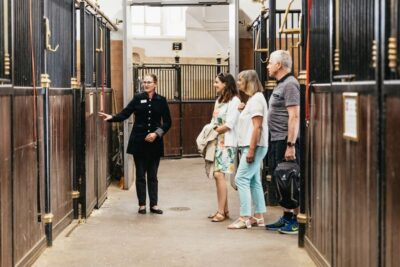 ★ 4.7Vienna Spanish Riding School Guided TourFrom $286,765 reviews
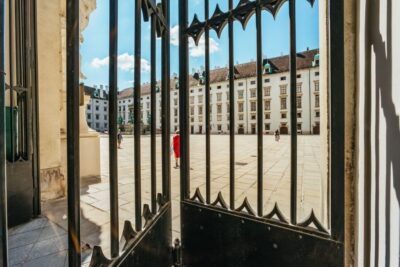 ★ 4.7Guided Walking Tour of City Center HighlightsFrom $254,989 reviews
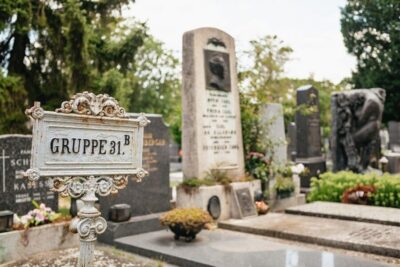 ★ 4.8Vienna Central Cemetery Guided Walking TourFrom $3353,307 reviews
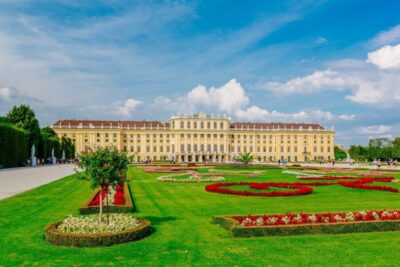 ★ 4.3Bus & Schönbrunn Palace Skip-the-Line Guided TourFrom $812,802 reviews
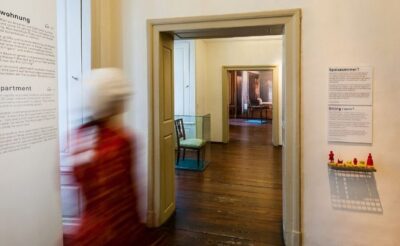 ★ 4.2Tickets for Mozarthaus Vienna with Audio GuideFrom $182,344 reviews
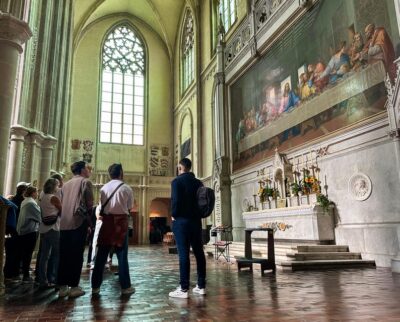 ★ 4.9Guided Walking Tour of City Highlights & Hidden GemsFrom $272,180 reviews
 ★ 4.7Viennese Underworld Guided Walking TourFrom $371,865 reviews
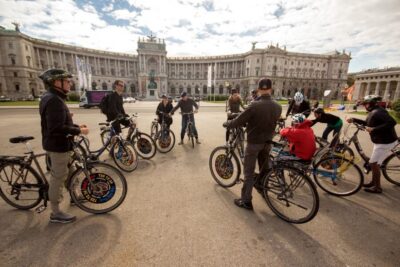 ★ 4.7Classic Vienna: 3-Hour Guided Bike TourFrom $721,846 reviews