

Reviewed · VIENNA ART MUSEUMS & KUNSTHISTORISCHES
Private Tour of the Kunsthistorisches Museum: Secrets of Masterpieces | Tickets included
Masterpieces need a guide with a plan. This private, 3-hour tour in Vienna’s Kunsthistorisches Museum focuses on what to look for, with museum admission included and your questions steering the visit.
I especially like the way the tour builds real context around the collection, so you are not just collecting names. The guidance highlighted in these experiences often centers on Julia, and the explanations make the museum feel organized, not overwhelming. I also like the museum’s range in one trip, from famous European painters down to Egyptian, Greek, and Roman objects, plus the numismatic cabinet.
One possible drawback: the Kunsthistorisches Museum is huge, and a 3-hour visit will always be a selection. If you want to spend long stretches with only one artist or one type of object, you may need extra time on your own.
Key things to know before you go

- Private, English-led visit with only your group
- Admission included so you are not juggling separate ticket steps
- Curator-style selection meant to make the must-sees manageable
- The guide keeps you focused with interactive Q&A and clear explanations
- Cross-collection scope including Egyptian, Greek, Roman, and numismatic holdings
- Meet at Maria-Theresien-Platz in front of the museum main entrance
Cool galleries for a grey Vienna afternoon
- Vienna Kunsthistorisches Museum Day Admission Ticket★ 4.6 · 3,690 reviews
- Tickets for the Albertina Exhibitions★ 4.7 · 2,126 reviews
- Combo Ticket: Kunsthistorisches Museum & Imperial Treasury★ 4.7 · 785 reviews
- Skip the Line: Kunsthistorisches Museum Vienna Entrance Ticket★ 4.5 · 466 reviews
Inside Vienna’s Art Temple, and what makes it special

The Kunsthistorisches Museum in Vienna has a way of making you straighten your posture the moment you walk in. The building uses historicist design with a temple-like sense of ceremony, which fits the museum’s mission: showing the big arc of European art and collecting culture in one place.
What I love, right away, is the museum’s balance of grandeur and variety. Yes, you are there for famous masterpieces, but you are also walking into a collection that treats objects like evidence. Paintings, decorative arts, church plate, sculptures, and small crafted things all help explain how people thought, worshiped, ruled, and traded.
You also get a smart “starter plan” for the museum. The tour format is built around seeing celebrated works without getting lost in a maze of rooms. And because this is a private experience, you can ask for clarifications as you go instead of waiting until a group stops.
Practical note: meet punctually at Maria-Theresien-Platz, at the museum main entrance. There are three doors, the central one is closed, and your guide is waiting out front of it. That detail matters because it is easy to overthink Vienna entrances when you are already a little excited.
How a 3-hour private tour keeps the museum from swallowing you
A museum this large can do two things fast. It can either make you feel thrilled, or it can make you feel behind. This tour is designed to prevent the second one.
The key is selection. The museum’s own curators keep lists that match different levels of familiarity: a long list for the devoted, a smaller list for repeat visitors, and a short list of must-sees for newcomers. The tour follows that kind of logic, so you see globally celebrated highlights rather than trying to “win” the whole building in one afternoon.
Another big plus is interaction. The strongest versions of this tour focus on your interests and questions. Guides described in these experiences, including Julia, often start with a few questions to set goals for what you want to learn. That might sound small, but it changes how you see everything afterward.
You may also notice a method. One account mentions the guide using a museum guide map as a handy reference, plus using a small tablet (a mini iPad) to help cross reference what you are seeing with other objects and themes in the collection. Translation: you are not just looking at an image, you are being taught how to compare.
Wear comfortable shoes and bring a bit of patience. “Moderate physical fitness” is the label here, and in practice it means expect to move through rooms and stand while you listen. If you pace yourself, three hours goes quickly.
The masterpiece route: the artists you expect, and how to see them differently
This tour is aimed at major works, the kind that anchor art history conversations. In your visit, you are in the orbit of names like Arcimboldo, Brueghel, Velasquez, Holbein, Dürer, Giorgione, Cranach, Raphael, Rembrandt, Rubens, and Titian. You will also see how the museum frames them as part of one larger European story.
Here is what I think is actually valuable: the guide helps you look with purpose. Instead of just saying what a painting is, you learn what to notice and why it matters. Expect discussion that connects style, subject choices, and the wider cultural setting that made those images meaningful.
This is also where a private format pays off. If you care more about technique, ask. If you care more about symbolism, ask. If you want to know how objects fit together across different rooms, ask. Because your guide is not waiting on a group script, you can move from question to answer while the idea is still fresh.
You might even get fun, human moments along the way. One review mentioned a quirky detail, a turquoise hippo, becoming part of the tour’s storytelling. That is not the point, but it is a sign of a guide who pays attention to how people actually learn.
Just remember the structure: the goal is not to master every school of art. The goal is to leave with a clear sense of why the masterpieces are masterpieces, plus enough context to keep exploring Vienna afterward.
Cabinets of curiosities: why the “small stuff” can hit hard

One of the most surprising facts about the Kunsthistorisches Museum is how much space goes to cabinets of curiosities. About a quarter of the exhibition space is taken up by these mixed displays, which combine indoor sculpture, church plate, decorative elements, and scientific instruments.
This matters for you because it changes what a museum can be. If your usual museum habit is to rush from painting to painting, these rooms slow you down in a good way. You start to notice craft and function, not just image and fame.
Church plate and decorative objects can show you how power and devotion expressed themselves in everyday materials. Scientific instruments can remind you that observation and curiosity were not separate from art. They were linked, often by the same patrons, workshops, and worldviews.
The tour’s approach helps you read this variety. A good guide does not treat these displays like distractions from the “real art.” Instead, they become part of the same story about collecting, status, and how people made meaning through objects.
If you like to understand why items ended up together in one place, this section is for you. It offers a hands-on-feeling way to grasp the museum’s collecting philosophy, and it helps the masterpieces feel less isolated.
Only your group, at your own tempo
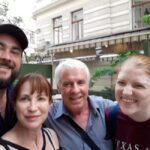




Art beyond Europe’s famous names: Egypt, Greece, Rome, and coins

The Kunsthistorisches Museum presents itself as universal, and in real life that means you do not stay in one track. Alongside the European painting and decorative highlights, there are collections of Egyptian, Greek, and Roman art, plus a numismatic cabinet.
This part is more than a change of scenery. It gives you a wider lens on what the museum is doing. If you only focus on Western painting, it is easy to forget how collecting connected cultures in practice. Seeing classical antiquity and ancient Egyptian art in the same building helps you understand the museum as a curated worldview.
The tour can also help you connect the dots without requiring you to become an expert in ancient history. You are not expected to memorize dates. You are encouraged to notice how themes and ideas travel, and how objects were selected to represent whole eras.
The numismatic cabinet is one more reminder that collecting is also about systems. Coins and medals are small, but they carry dates, rulers, and political signals in a compact form. Even if coins are not your usual museum interest, having a guide explain what to look for can turn them from trivia into a visual timeline.
If you love comparisons, this is a strong section. You are basically training your eyes to ask, what does an object claim, what does it communicate, and how does its material shape its message?
Price and value: what $283.12 per person buys you here

At $283.12 per person for about 3 hours, this is not a cheap museum add-on. But it is also not just a ticket with a warm body beside you.
Here is what you are paying for, in practical terms:
- A private format so you are not competing with other people’s attention
- A professional art historian style of guidance focused on meaning, not just facts
- Admission included, so you are not double-paying to enter the museum
- A visit designed around selection, using curator-style must-sees to keep your time effective
If you were to do this museum solo, you could still see a lot. But you would spend more time figuring out where to start, how to prioritize, and what to ask yourself while looking. This tour aims to replace that uncertainty with a guided, question-driven path.
Also, this is booked on average around 60 days in advance, which is a sign of demand. If your dates are fixed, plan ahead so you are not left building a plan from scraps.
Group discounts exist here, so if you are traveling with family or friends, check whether your exact booking qualifies. Even without details, the private setup suggests there can be savings for coordinated groups.
In short: this price makes sense when you value your time and want context with your masterpieces. If you just want to wander freely, it might feel high. If you want a guided framework inside a big museum, it can feel like money spent on efficiency.
Who should book this private Kunsthistorisches Museum tour

This tour is a good fit if you:
- Want a first great visit to the Kunsthistorisches Museum but hate trying to “do everything”
- Like asking questions and getting answers while you stand in front of the object
- Prefer a guide who can connect paintings and objects to wider cultural context
- Appreciate museums that include more than just paintings, with decorative arts, curiosities, and ancient collections
- Want to walk away with a clearer sense of how masterpieces earned their status
It may be less ideal if you:
- Have very narrow interests and need hours dedicated to one niche
- Plan to spend most of your time reading wall labels on your own, with minimal listening
- Are traveling with limited standing ability, since you will still be in galleries and listening at a museum pace
That said, the “focus on highlights” approach is exactly what helps many people enjoy a museum like this without feeling overloaded.
Should you book this tour?

I would book it if you want the Kunsthistorisches Museum experience to feel guided, not random. The private format, the included admission, and the curator-style selection make it a strong choice for a 3-hour window in Vienna. The best sign is how the tour centers on your interests, with guides described as using clear explanations, interactive questions, and even humor to make the stories stick.
Skip it only if you already know exactly what rooms you want to hit for your own plan and you are comfortable building that route without guidance. If you want help turning a famous museum into something you actually understand, this is a smart way to spend your time.
FAQ
How long is the private tour?
The tour lasts about 3 hours.
Is museum admission included?
Yes. Admission to the Kunsthistorisches Museum is included.
Is this tour private?
Yes. It is a private tour/activity, and only your group will participate.
What language is the tour offered in?
The tour is offered in English.
Where do we meet?
Meet at Maria-Theresien-Platz, 1010 Wien, Austria, in front of the museum main entrance. The guide waits in front of the central door area (the central door is closed).
Do I need to bring a printed ticket?
No. You can present either a paper or an electronic voucher.
What is the cancellation policy?
You can cancel for free up to 24 hours in advance for a full refund. Changes made less than 24 hours before the experience start time are not accepted, and refunds are not available if you cancel within 24 hours.
More Tour Reviews in Vienna
- Vienna: Vivaldi’s Four Seasons Concert in Karlskirche
★ 4.7 · 14,951 reviews - Vienna: Schönbrunn Palace & Gardens Skip-the-Line Tour
★ 4.7 · 7,739 reviews - Vienna: Light of Creation Votive Church Immersive Light Show
★ 4.8 · 6,779 reviews - Vienna Spanish Riding School Guided Tour
★ 4.7 · 6,765 reviews - Vienna: Classical Concert in the World-Famous Musikverein
★ 4.6 · 6,673 reviews
Yours Alone Across Vienna
- Vienna: Private Walking Tour with a Local Guide
★ 4.6 · 1,420 reviews - Vienna: Private Walking Tour with a Guide
★ 4.7 · 962 reviews - Vienna: Wine Tasting Experience in a Private Wine Cellar
★ 4.8 · 413 reviews - Private Day Tour Trip Salzburg Hallstatt and Melk from Vienna
★ 5.0 · 388 reviews - Private Day Tour of Hallstatt and Salzburg from Vienna
★ 5.0 · 263 reviews
Vienna Indoors: More Galleries
- Vienna Kunsthistorisches Museum Day Admission Ticket
★ 4.6 · 3,690 reviews - Tickets for the Albertina Exhibitions
★ 4.7 · 2,126 reviews - Combo Ticket: Kunsthistorisches Museum & Imperial Treasury
★ 4.7 · 785 reviews - Skip the Line: Kunsthistorisches Museum Vienna Entrance Ticket
★ 4.5 · 466 reviews - Leopold Museum Vienna Entrance Ticket
★ 4.5 · 440 reviews
Recently Added Around Vienna


Vienna Art Museums & Kunsthistorisches, compared.
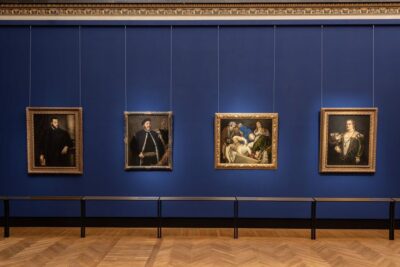 ★ 4.6Vienna Kunsthistorisches Museum Day Admission TicketFrom $253,690 reviews
 ★ 4.7Tickets for the Albertina ExhibitionsFrom $232,126 reviews
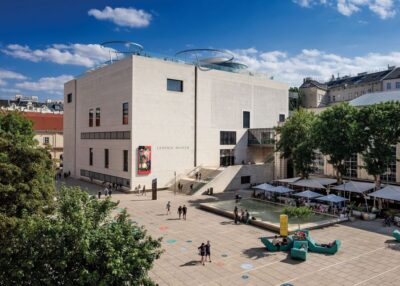 ★ 4.7Leopold Museum Skip-the-Line Entry TicketFrom $22968 reviews
 ★ 4.7Combo Ticket: Kunsthistorisches Museum & Imperial TreasuryFrom $37785 reviews
 ★ 4.5Skip the Line: Kunsthistorisches Museum Vienna Entrance Ticket466 reviews
 ★ 4.5Leopold Museum Vienna Entrance TicketFrom $22440 reviews
 ★ 4.6Kunsthistorisches and Leopold Museum Combo TicketFrom $43352 reviews
 ★ 4.3MAK – Museum of Applied Arts – TicketsFrom $21101 reviews
Browse the lists this tour appears in