
Reviewed · MOZART & STRAUSS CONCERTS IN VIENNA
Myth Mozart
A Mozart experience in five rooms sounds simple, until you see it. MYTHOS MOZART turns the composer’s life and music into a multimedia walk-through across five scenes, inside the basement of the STEFFL department store. It’s the kind of Vienna stop that feels built for your senses, with sound, images, and stage-like moments designed to keep you moving.
I especially like two things: first, the way the rooms make Mozart feel current, not dusty. Second, it’s a short, complete visit that still covers a lot, so you do not need a whole evening and a second museum ticket. The main drawback to consider is that it runs under an hour, so if you want slow reading and deep note-taking, you may wish you had more time.
Key Highlights at a Glance
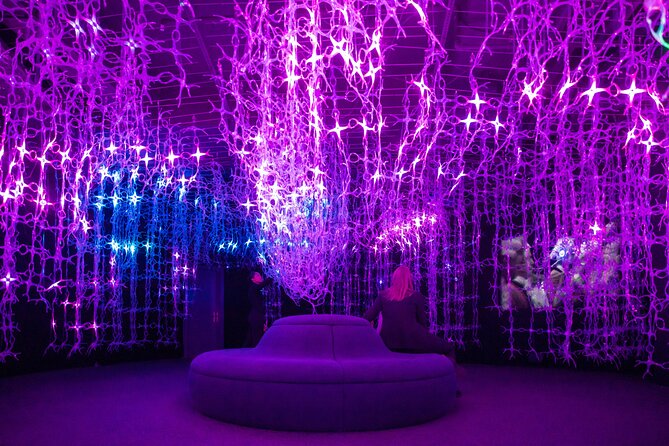
- Five scenes, five rooms that turn Mozart’s life into a moving, multimedia storyline
- STEFFL basement setting across about 1,500 square meters, so the space feels big and intentional
- Sound + light + photos that help you experience the music rather than just hear it
- Family-friendly pacing, including young children who can enjoy it without a formal concert
- Plan your order well, since it often clicks most if you already know the basics
More Mozart and Strauss after dark
- Vienna: Mozart Concert at the Golden Hall★ 4.6 · 3,986 reviews
- Vienna: Classical Concert at Mozart’s First House2,423 reviews
- Vienna: Mozart and Strauss Concert at Schönbrunn★ 4.5 · 2,364 reviews
- Vienna: Mythos Mozart Experience★ 4.5 · 895 reviews
MYTHOS MOZART at STEFFL: Location, vibe, and what to expect
MYTHOS MOZART takes place in the basement of the STEFFL department store. That matters, because you are not strolling through a quiet museum hall. You are entering a purpose-built experience spread over about 1,500 square meters, designed for atmosphere and movement.
You will use a mobile ticket, and the site is described as near public transportation, so it fits easily into a day of Vienna sightseeing. One more practical point, based on how the experience is described: it is designed to work for a wide range of visitors, with clear explanations even when you are not speaking German.
The overall vibe is modern and visual, but the goal stays straightforward. You are meant to connect Mozart’s world, his time, and his music through scenes that feel like mini stage productions, not just posters.
Walking Through the Five Scenes: How the story unfolds
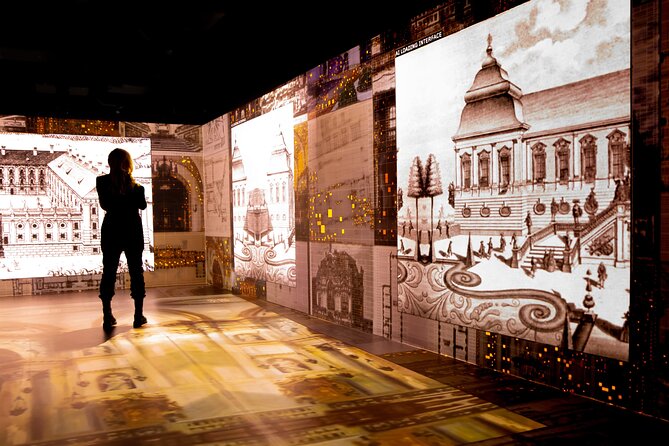
This experience is built around five different scenes. The idea is simple: instead of reading about Mozart, you encounter him through visuals, music, and interactive-style moments that guide your attention from room to room.
Here is the special part. The rooms are not random. They are meant to build a sequence, so the first scenes give context for what you hear later, and later scenes help you connect Mozart’s life to his compositions.
From the way the experience is described, you can expect to spend your time moving, listening, and watching. Reviews also point out that the sound design plays a big role, with music woven into the room’s visuals so you feel like you are inside the moment.
The Requiem moment: Why room one hits hardest
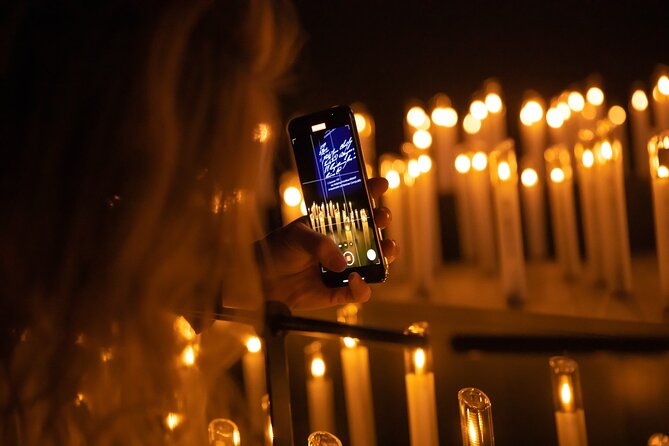
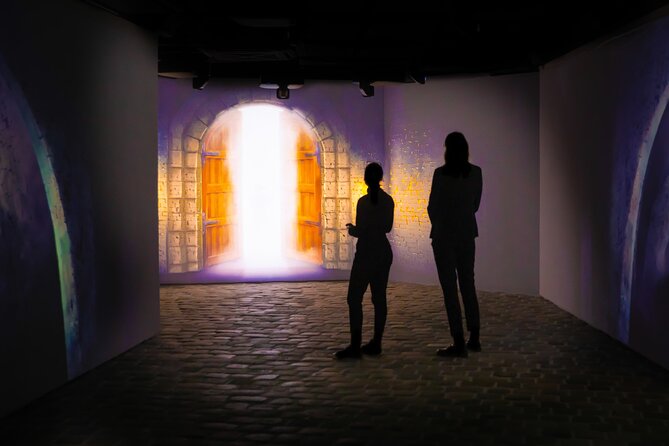
One of the most praised parts is the first room, which is described as emotionally powerful. The standout detail is a staging of the Requiem through the presence of numerous candles and accompanying music excerpts.
If you are the kind of visitor who remembers Vienna moments by a single image, this is the room you will likely keep thinking about later. Even if you do not know the Requiem story in detail, the room’s design does the teaching for you, using sight and sound at the same time.
This is also a good reason to arrive with curiosity. You do not need a professor’s background, but you will enjoy it more if you have already learned a few basics about Mozart’s life and why particular works matter.
The multimedia formula: Sound, light, and photos that do the work
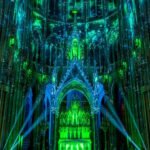
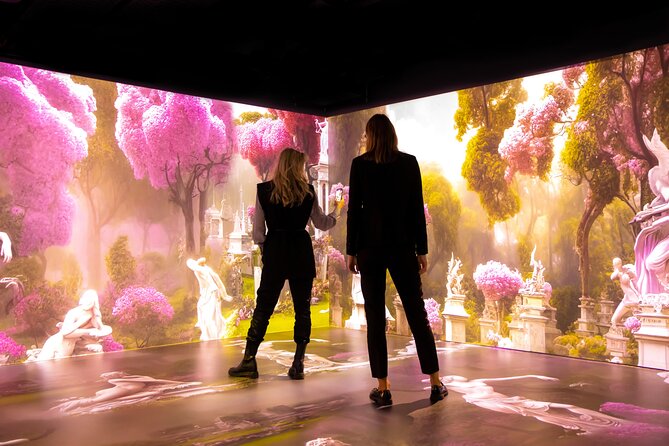
MYTHOS MOZART blends listening with visual cues, so the experience stays active. Reviews mention how the mix of sound, lights, and photos makes the whole thing feel immersive in the practical sense, meaning you are not zoning out in front of screens.
This is where the show’s modern approach earns its keep. Vienna can be heavy with still-life history, and this puts Mozart into a format that feels closer to what your brain expects from today’s media. It is designed to guide you, so you are not wandering and guessing what you are supposed to notice.
That said, keep one small consideration in mind. One review mentioned a technical glitch with audio playback in the first room, blamed on an iPhone issue. If that happens, the best move is simple: tell staff right away so they can troubleshoot, instead of waiting through it.



Best order in Vienna: Do Mozart House first for context
One piece of advice stands out clearly: do this after Mozart House. The reason is not complicated. If you already know a few basics about Mozart’s life, the rooms in MYTHOS MOZART connect faster, and you feel less like you are catching references mid-sentence.
In practical terms, think of Mozart House as your foundation stop. Then MYTHOS MOZART becomes your memory maker, because the scenes can build on what you already learned the day before.
If you only do one Mozart-focused indoor visit, you can still enjoy MYTHOS MOZART first. But if you want that click moment, plan a small lead-in.
Family-friendly Mozart: Why it works for kids
If you are traveling with children, you will likely appreciate the pacing. Reviews specifically mention that a young child enjoyed it, and that it can be a good alternative to a formal classical concert.
The key advantage is that it feels less like a sit-and-wait event. You move from scene to scene and the multimedia cues keep changing. That makes it easier for kids to stay engaged, even if they cannot follow a full lecture or a long performance.
It is not presented as a kids’ cartoon, though. It is still Mozart, still designed around his world, just delivered in a format that does not require advanced music knowledge or long attention spans.
How long it takes, and why that matters for planning
The experience runs about 55 minutes. On a packed Vienna schedule, that is a huge plus. You can fit it in between other indoor stops without losing an entire half day, and you can still have time for dinner or a late stroll.
The tradeoff is also clear from reviews: some visitors felt it was a bit short. That is not a flaw, it is the design choice. It gives you a complete hit of Mozart in under an hour, but it does not replace slower museum-style reading.
So I suggest you treat it like a concentrated experience. If you want to linger, pick a second nearby stop you can stretch out, like Mozart-related sights or general history areas.
Price and value: What $27.63 buys you
At $27.63 per person, MYTHOS MOZART is not a bargain-basement free-for-all. It is a paid, designed experience with ticketed admission included, delivered through multiple rooms and multimedia production.
The value comes from two things. First, you get a full circuit through five scenes in about an hour, not a short teaser. Second, the included admission means you are paying for the experience itself, not for a separate add-on museum entry.
Is it worth it for everyone? If you love Mozart and you like modern presentation, it likely feels like good use of your time. If you only want traditional concerts or prefer quiet, you might find the multimedia style less satisfying than a standard recital.
Accessibility note you should not ignore
The experience lists an accessibility note for epilepsy. If that applies to you or someone in your group, I strongly recommend contacting the provider first to confirm how the lighting and sound effects are handled.
On the positive side, the information also says most travelers can participate. So for many people, it should work fine. Still, because it involves multimedia and room effects, you should treat the epilepsy note as meaningful.
Finding it, timing it, and using your mobile ticket
You will want to keep your visit simple. Bring your confirmation, and plan on using the mobile ticket. The location is described as near public transportation, so you do not need a car or complicated logistics.
Since the experience is often booked ahead, with an average booking window of about 13 days, I recommend reserving early when your dates are set. That way you keep flexibility and avoid last-minute schedule stress.
Should you book MYTHOS MOZART?
Book it if you want a Mozart stop that feels like a show, but still educational. It is especially appealing if you like sound-and-light storytelling, you are traveling with kids, or you want a shorter activity that still covers a lot of Mozart’s world.
Skip it or reconsider if you need a long, quiet, reading-heavy museum experience. If you want to stay in each theme for a long time, the under-one-hour pacing may feel too fast.
If you can, do one planning move that makes the day smoother: fit Mozart House first, then MYTHOS MOZART right after. That order gives you context fast, and the five-room sequence lands with more meaning.
FAQ
How long does MYTHOS MOZART take?
The experience lasts about 55 minutes.
Is admission included?
Yes, the admission ticket is included with the experience.
Do I need a printed ticket?
No. It uses a mobile ticket.
Where is it located, and is it easy to reach?
It takes place in the basement of the STEFFL department store in Vienna, and it is listed as near public transportation.
Is it suitable for most visitors?
The experience notes that most travelers can participate.
Is there an epilepsy accessibility note?
Yes. The experience includes an epilepsy note in its accessibility information, so check with the provider before booking if this applies to you.
Can I cancel and get a full refund?
Free cancellation is available up to 24 hours before the start time for a full refund. If you cancel less than 24 hours before, the amount paid is not refunded.
More Tour Reviews in Vienna
- Vienna: Vivaldi’s Four Seasons Concert in Karlskirche
★ 4.7 · 14,951 reviews - Vienna: Schönbrunn Palace & Gardens Skip-the-Line Tour
★ 4.7 · 7,739 reviews - Vienna: Light of Creation Votive Church Immersive Light Show
★ 4.8 · 6,779 reviews - Vienna Spanish Riding School Guided Tour
★ 4.7 · 6,765 reviews - Vienna: Classical Concert in the World-Famous Musikverein
★ 4.6 · 6,673 reviews
More Mozart and Strauss Evenings
- Vienna: Mozart Concert at the Golden Hall
★ 4.6 · 3,986 reviews - Vienna: Classical Concert at Mozart’s First House
2,423 reviews - Vienna: Mozart and Strauss Concert at Schönbrunn
★ 4.5 · 2,364 reviews - Vienna: Mythos Mozart Experience
★ 4.5 · 895 reviews - Vienna Mozart Concert in Historical Costumes at the Musikverein
★ 4.5 · 888 reviews
Recently Added Around Vienna


Mozart & Strauss Concerts in Vienna, compared.
 ★ 4.6Mozart Concert at the Golden HallFrom $783,986 reviews
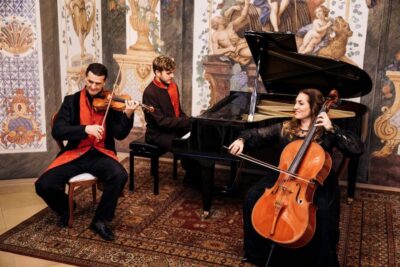 Classical Concert at Mozart’s First House2,423 reviews
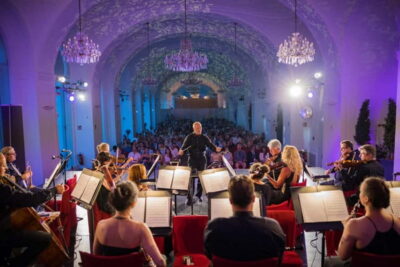 ★ 4.5Mozart and Strauss Concert at SchönbrunnFrom $632,364 reviews
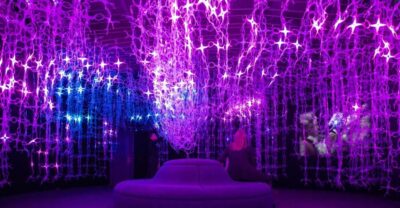 ★ 4.5Mythos Mozart ExperienceFrom $27895 reviews
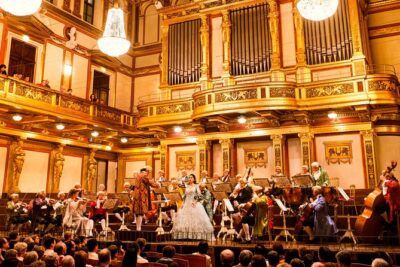 ★ 4.5Vienna Mozart Concert in Historical Costumes at the MusikvereinFrom $83888 reviews
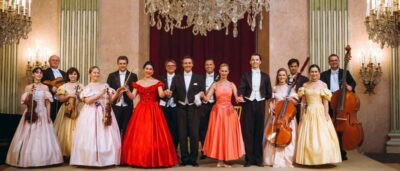 ★ 4.5Mozart & Strauss Classical Concert at Börse PalaceFrom $55810 reviews
 ★ 4.5Johann Strauss Dinner Show at the PraterFrom $93730 reviews
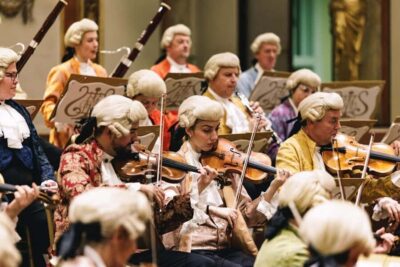 ★ 4.6Mozart Concert at the Vienna State OperaFrom $81461 reviews
Browse the lists this tour appears in